World history contains bizarre gaps that defy our best modern technology and brightest investigative minds. You can explore grand ruins and translate forgotten languages, yet certain ancient mysteries remain locked away from human understanding. These nine unexplained history files offer a fascinating glimpse into historical events that lack a neat resolution, compelling archaeologists, linguists, and historians to keep searching for the truth. As you dig into these unsolved history mysteries, you will realize how much of the human story we still need to uncover. Equip yourself with curiosity and examine the evidence left behind by vanished legions, unbreakable codes, and bizarre epidemics.
Interesting Find #1: The Indecipherable Voynich Manuscript
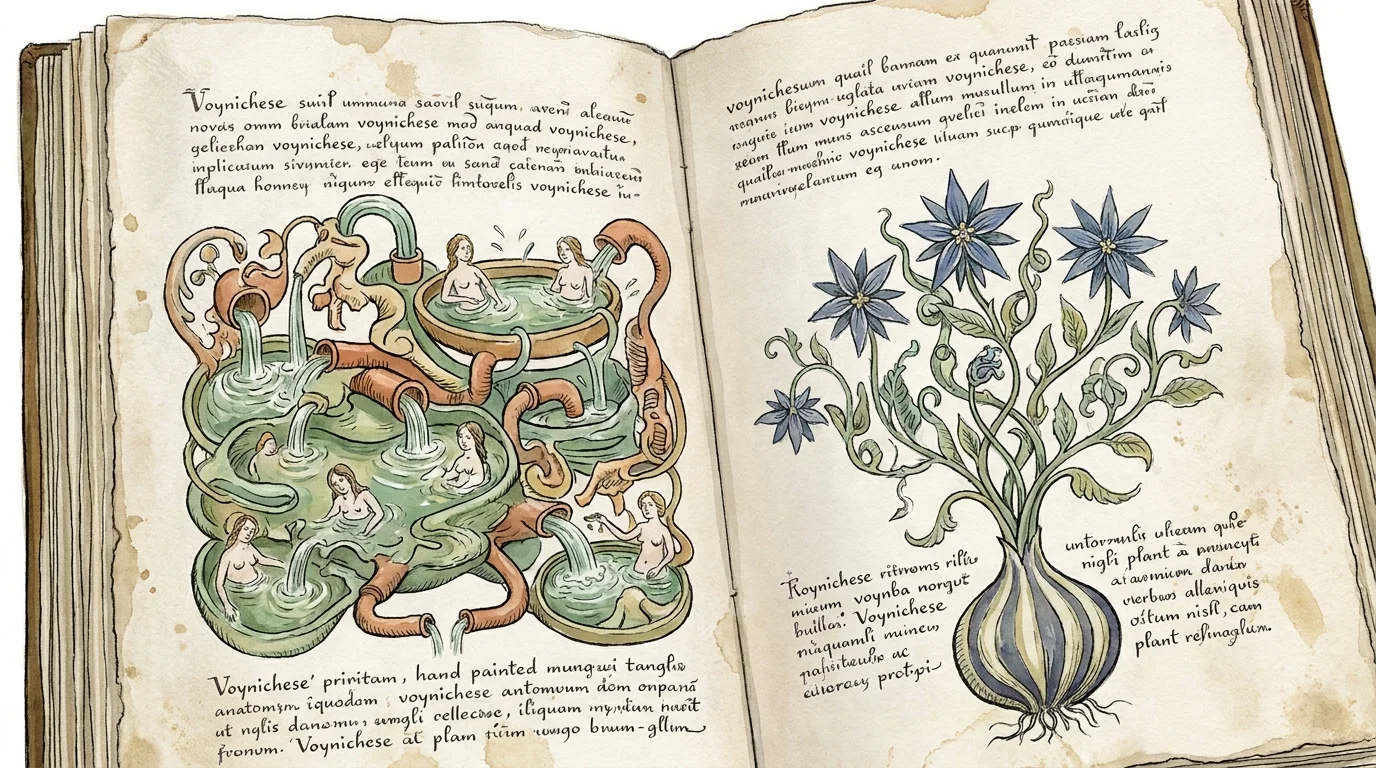
The Voynich Manuscript sits safely inside Yale University’s Beinecke Rare Book and Manuscript Library, entirely baffling the world’s leading cryptographers. Discovered by rare book dealer Wilfrid Voynich in 1912, this 15th-century codex features an unknown writing system dubbed Voynichese. You will not find any matching syntax, grammar, or vocabulary anywhere else in the historical record. When you examine the pages, you notice that the scribe made zero corrections or cross-outs; the ink flows with the natural rhythm of someone fluent in the language rather than someone meticulously crafting a hoax.
Beyond the bizarre text, the manuscript contains vivid, intricate illustrations of nonexistent plants, alien-looking astrological charts, and women bathing in strange, interconnected green pools. Experts from the National Security Agency and top academic linguists have deployed advanced algorithmic analysis to crack the text, yet the central message remains completely opaque.
- Radiocarbon dating places the animal-skin vellum precisely between 1404 and 1438.
- The document contains over 170,000 individual glyphs written continuously from left to right.
- Botanical experts cannot identify the vast majority of the heavily detailed flora illustrated inside.
Interesting Find #2: The Sudden Bronze Age Collapse
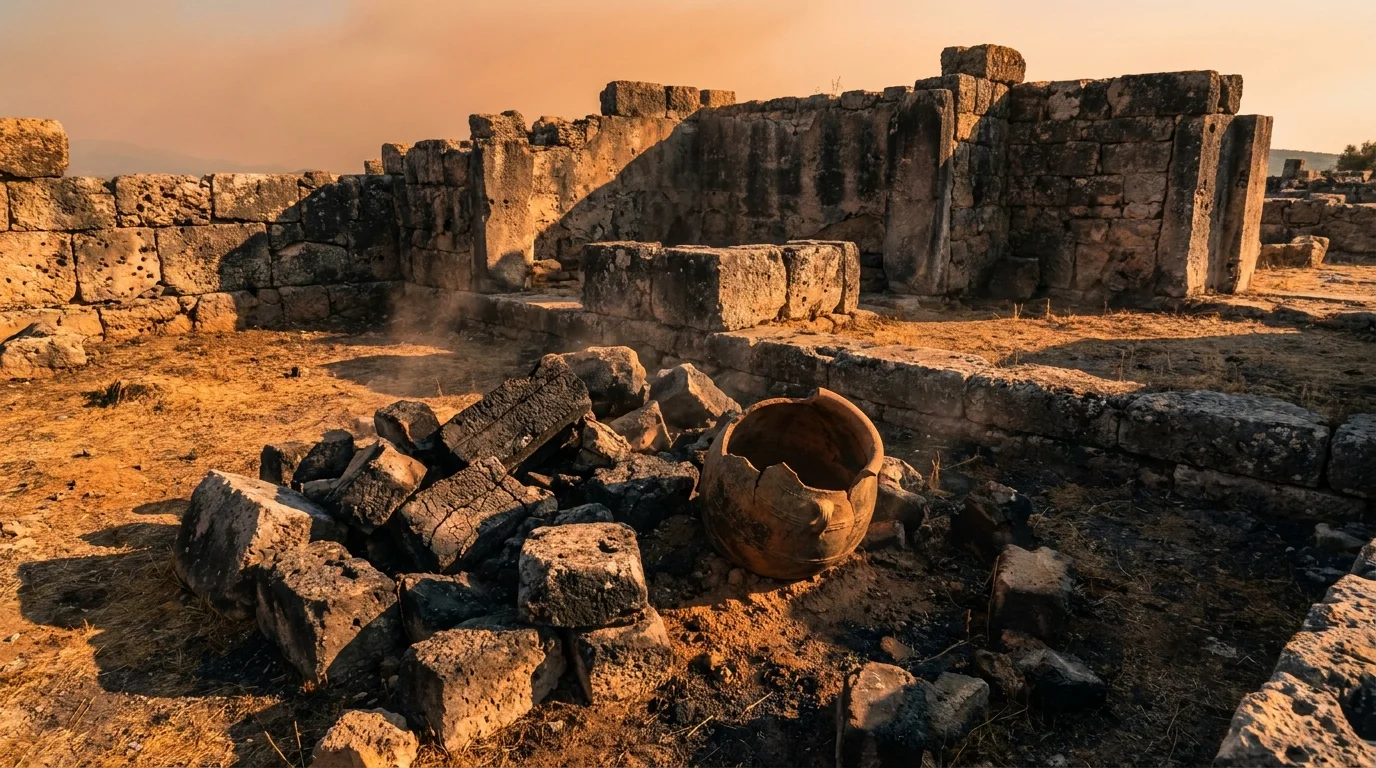
Around 1177 BCE, a thriving network of advanced Mediterranean civilizations suffered a catastrophic and simultaneous collapse. The Mycenaeans, Hittites, and Babylonians vanished from the geopolitical map within a single generation. While you might assume a massive conventional war caused this downfall, historians point to a mysterious confederacy of maritime raiders known only as the Sea Peoples.
The true identity of these aquatic invaders remains one of the most hotly debated subjects in world history. Egyptian pharaoh Ramses III meticulously recorded their devastating attacks on stone temple walls, yet archaeologists cannot trace their homeland, their spoken language, or their ultimate fate. Modern theories suggest a perfect storm of severe climate change, widespread drought, and systemic economic failure pushed these unknown populations into desperate, violent migration.
- The collapse destroyed complex trade networks that had successfully operated for centuries.
- Urban centers across the Mediterranean basin burned to the ground and remained completely abandoned.
- Regional literacy plummeted almost immediately, throwing robust societies like Greece into a multi-century dark age.
Interesting Find #3: The Vanishing of the Roanoke Colony
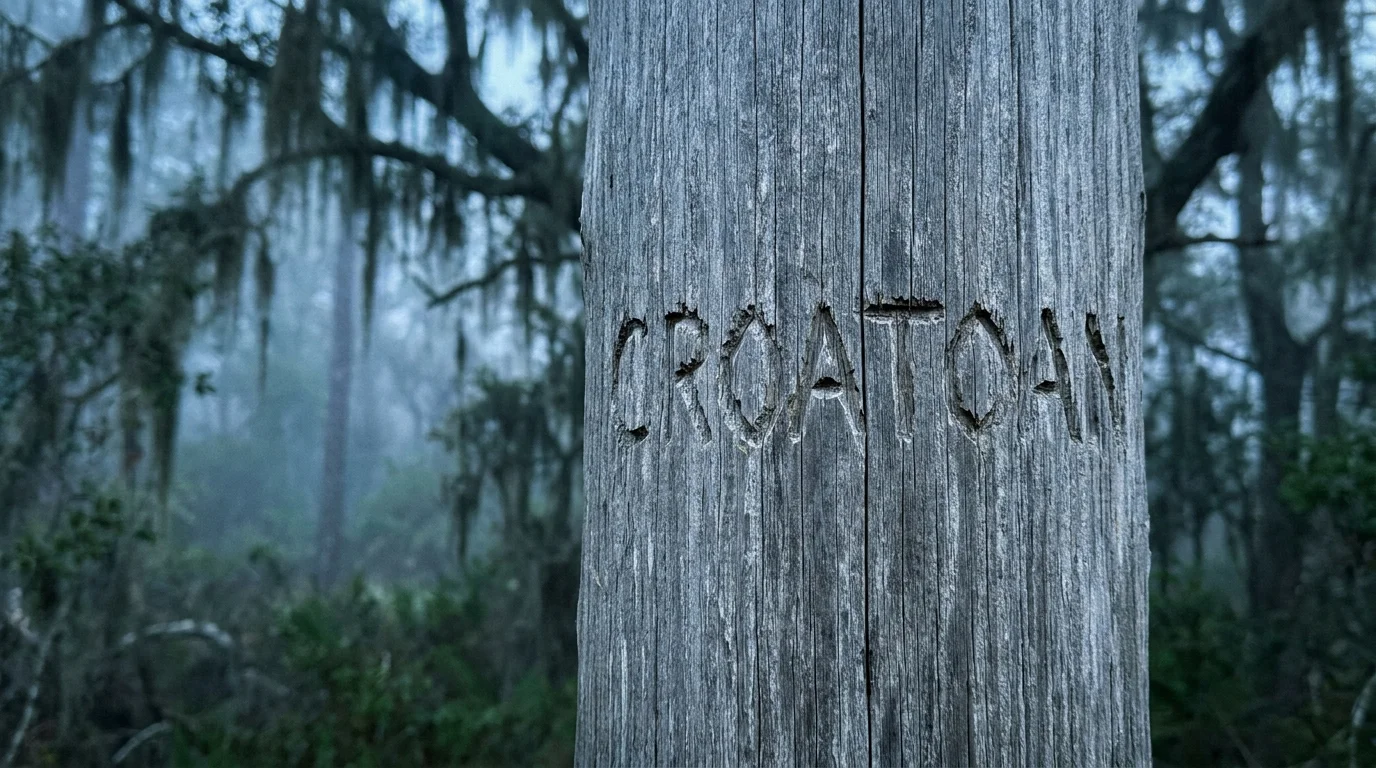
In 1587, an English expedition led by John White established a pioneer settlement on Roanoke Island off the coast of present-day North Carolina. When White returned from a desperate supply run to England three years later, he found the entire colony of 115 men, women, and children completely gone. You can still feel the eerie chill of this unexplained history when looking at the only clue left behind: the word CROATOAN carved deeply into a wooden defensive post.
Researchers fiercely debate whether the colonists peacefully assimilated with the local Croatoan tribe on Hatteras Island, fell victim to a massive Spanish military attack, or perished trying to build a makeshift ship to sail back to Europe. Recent archaeological digs utilizing advanced ground-penetrating radar have uncovered 16th-century English domestic artifacts at native sites miles away, offering tantalizing hints but absolutely no definitive proof of the colony’s final destination.
- John White’s granddaughter, Virginia Dare, was the first English child born in the Americas before disappearing.
- No human remains or signs of a violent struggle were ever found at the original settlement site.
- The colony’s wooden houses were systematically dismantled, indicating a non-violent, highly organized departure.
Interesting Find #4: The Bizarre Dancing Plague of 1518
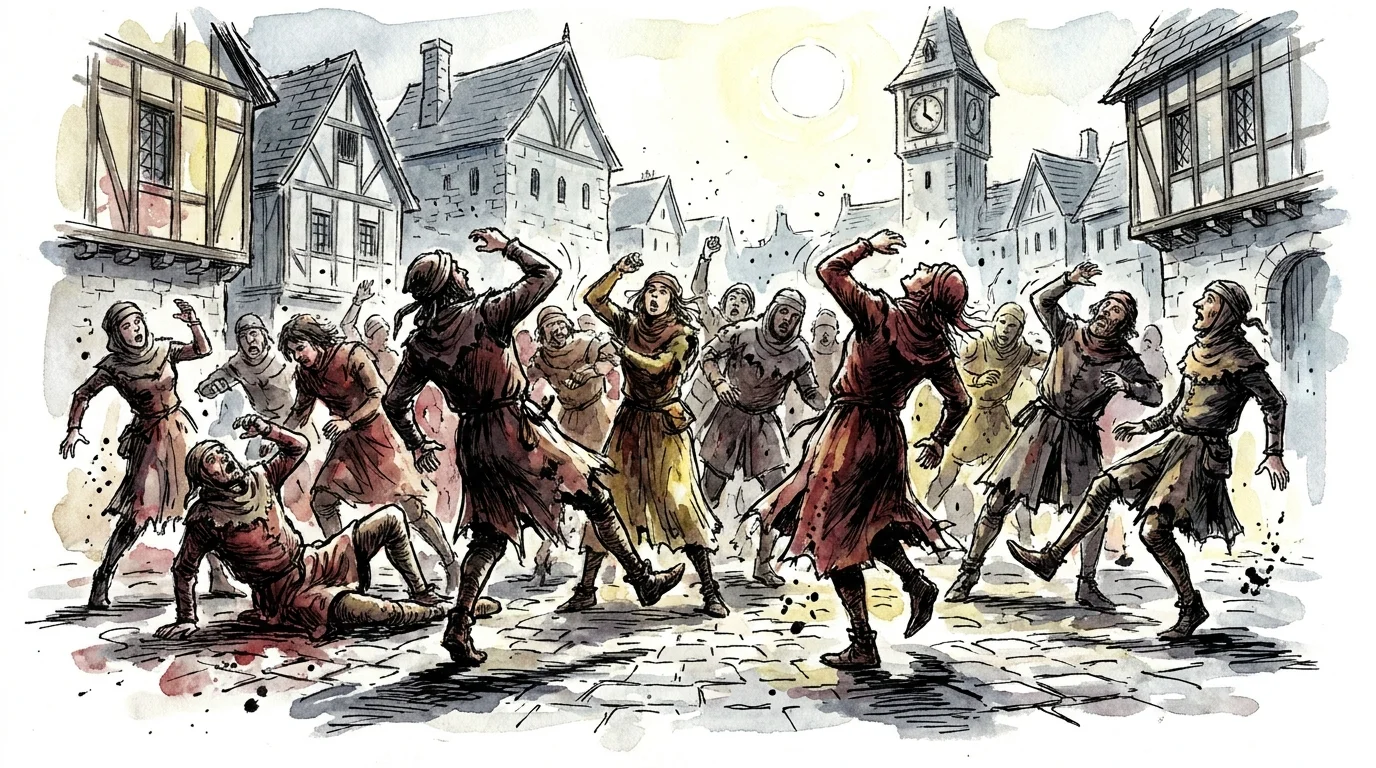
During the sweltering summer of 1518, the city of Strasbourg witnessed an inexplicable phenomenon when a woman named Frau Troffea stepped into the street and began dancing fervently. Within weeks, approximately 400 people joined her, dancing uncontrollably until many collapsed from severe exhaustion or sudden heart failure. When you look at the civic records from the era, you see a panicked local government hiring professional musicians and building wooden stages to cure the afflicted—a disastrous public health strategy that only worsened the crisis.
Sociologists and medical historians still struggle to pinpoint the exact biological or psychological cause of this deadly choreography. Some experts suggest mass psychogenic illness triggered by the extreme, sustained psychological stress of local famine and infectious disease. Others passionately argue the dancers accidentally ingested ergot; this naturally occurring psychoactive mold grows on damp rye stalks and directly causes severe central nervous system spasms and vivid hallucinations.
- The frantic, involuntary dancing continued non-stop for over a grueling month.
- Medical professionals of the time incorrectly blamed hot blood and unfavorable astronomical alignments.
- Similar but much smaller choreomania outbreaks occurred across Europe between the 14th and 17th centuries.
Interesting Find #5: The Untranslated Rongorongo Script
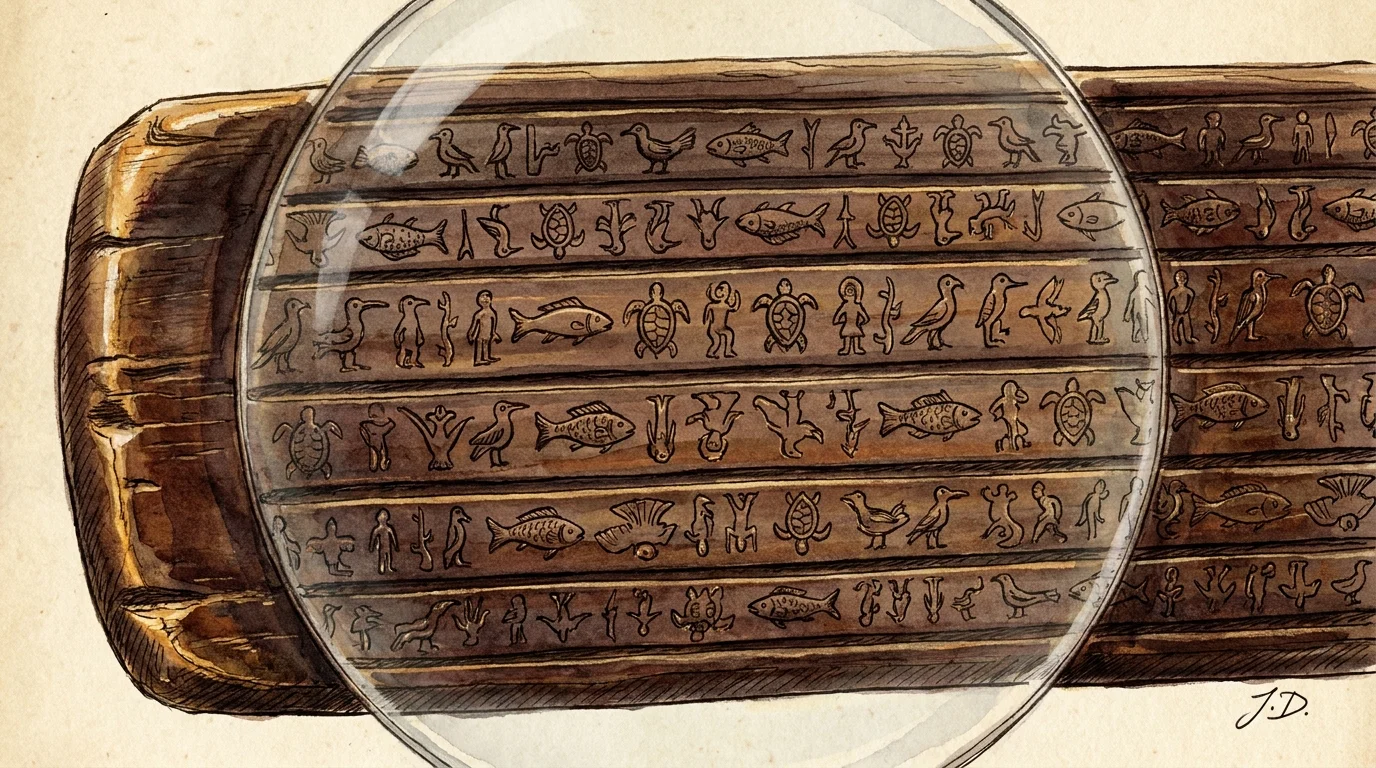
The isolated, enigmatic civilization on Easter Island, famous for its towering stone Moai statues, also produced a unique and entirely undeciphered writing system known as Rongorongo. Carved into wooden tablets with sharp obsidian flakes or shark teeth, the script features meticulously organized rows of human, animal, and geometric pictographs. Because the writing direction alternates with every single line, you must continually rotate the wooden board 180 degrees at the end of each sequence to continue reading the text.
European explorers originally discovered the sacred tablets in the 19th century. Sadly, by the time global academic interest peaked, foreign diseases and brutal slave raids had decimated the island’s indigenous population, taking the last literate elders to the grave with them. Modern linguists cannot even agree if Rongorongo represents a true phonetic language or a highly structured system of mnemonic proto-writing used exclusively for ancient genealogical chanting.
- Only two dozen authentic Rongorongo artifacts exist in global museums and private collections today.
- The specialized wood used for several surviving tablets belongs to specific tree species not native to Easter Island.
- If confirmed as a complete language, it represents one of the extremely rare instances in human history where writing was invented completely independently.
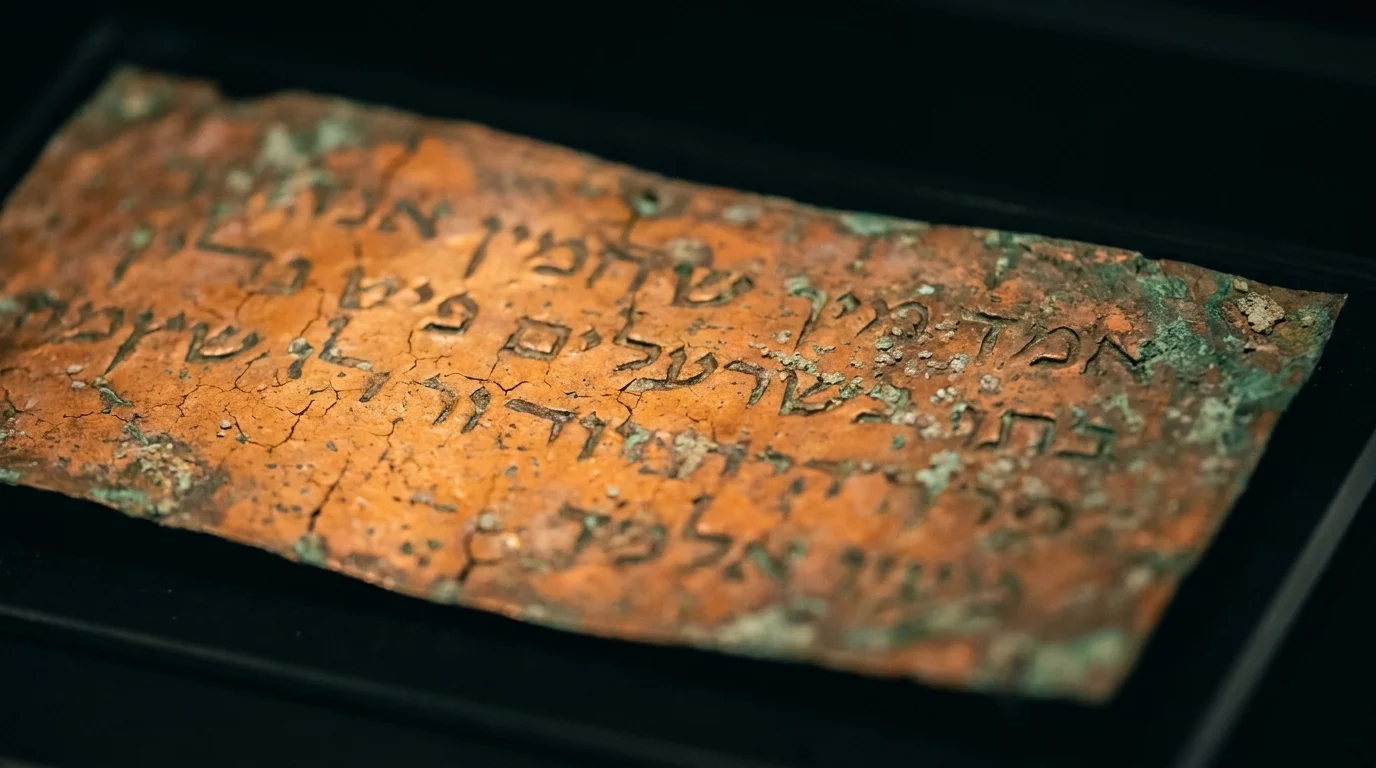
Interesting Find #6: The Hidden Copper Scroll Treasure
Discovered alongside the famous Dead Sea Scrolls in Cave 3 at Qumran, the Copper Scroll fundamentally stands out because its author etched the text onto ultra-thin sheets of metal rather than fragile parchment or papyrus. Instead of a standard religious text or theological treatise, this highly unusual artifact contains a detailed inventory of 64 remote locations where vast quantities of gold and silver remain securely hidden. When you mathematically translate the ancient weights and measurements, the estimated total value of this lost hoard reaches into the billions of modern dollars.
Archaeologists from the Hebrew University of Jerusalem and independently funded international teams have meticulously combed the harsh Judean desert searching for these riches without any recorded success. The scroll deliberately relies on obscure, highly localized landmarks from the first century—such as the cistern under the eastern wall or the cave of the washerman—that no longer physically exist or cannot be positively identified today.
- The metallic scroll roughly dates to 70 CE, directly coinciding with the violent Roman siege of Jerusalem.
- The listed treasure includes roughly 4,600 talents of precious metals and ritualistic religious artifacts.
- Many contemporary historians theorize the immense treasure actually belonged to the Second Temple and was quickly hidden to protect it from advancing Roman legions.
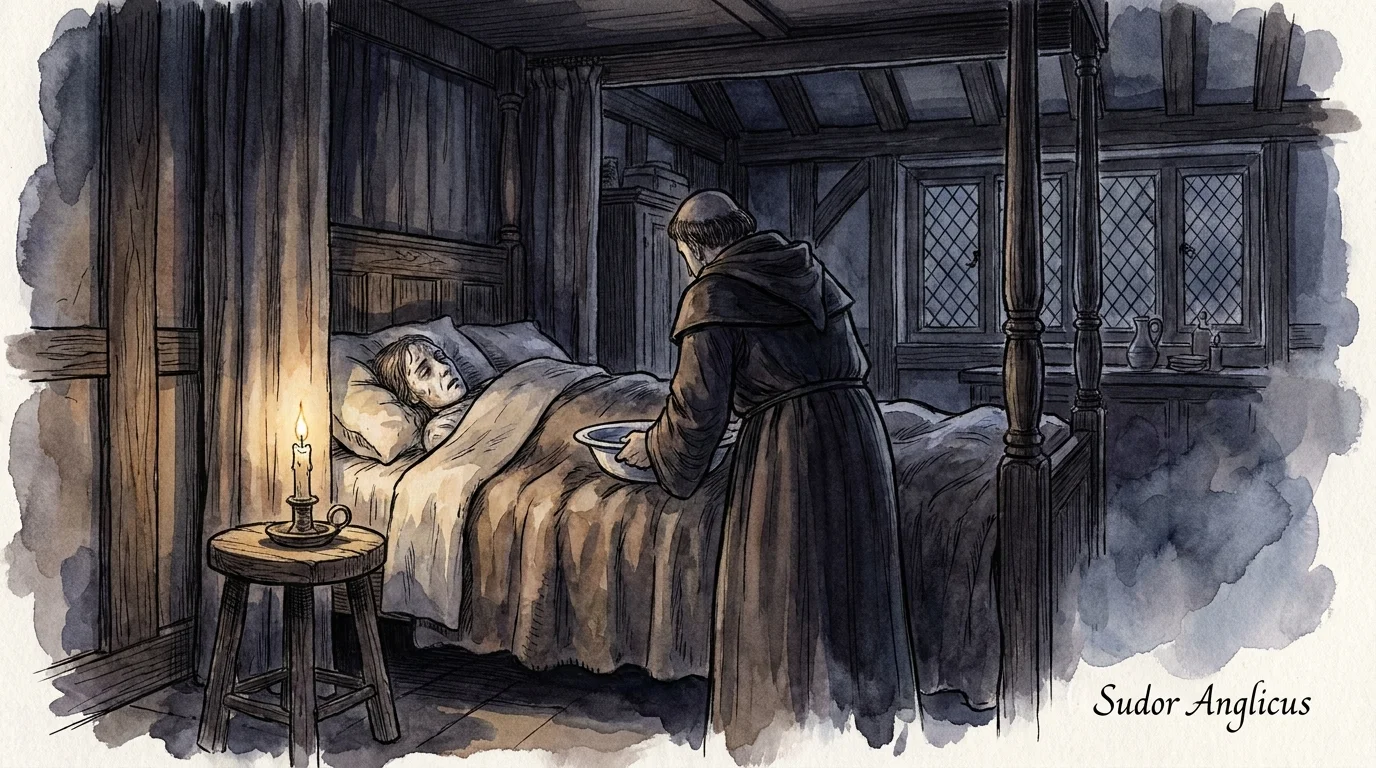
Interesting Find #7: The Deadly English Sweating Sickness
Between 1485 and 1551, a terrifying and incredibly mysterious disease struck England in five distinct, devastating waves before vanishing entirely from the medical record. Known commonly as the English Sweating Sickness, the sudden illness started with a deep sense of psychological apprehension, followed quickly by violent shivers, severe headaches, and an intense, foul-smelling sweat. The disease acted with shocking, merciless speed; you could wake up feeling perfectly healthy, attend a morning gathering, and succumb to the illness by nightfall.
Epidemiologists remain entirely puzzled by the specific biological pathogen responsible for this historical plague. Unlike the infectious bubonic plague, the sweating sickness disproportionately affected wealthy, upper-class men who enjoyed superior nutrition rather than the impoverished peasant populations living in unsanitary squalor. Modern medical researchers heavily suspect a vicious strain of hantavirus transmitted by local rodents, but without surviving, testable biological samples, the exact etiology remains a frustrating medical mystery.
- The initial outbreak notoriously delayed the highly anticipated royal coronation of King Henry VII.
- Prominent historical figures like Anne Boleyn reportedly contracted the severe sickness and miraculously survived.
- The final recorded outbreak abruptly concluded in 1551, and the specific pathogen has never been definitively identified since.
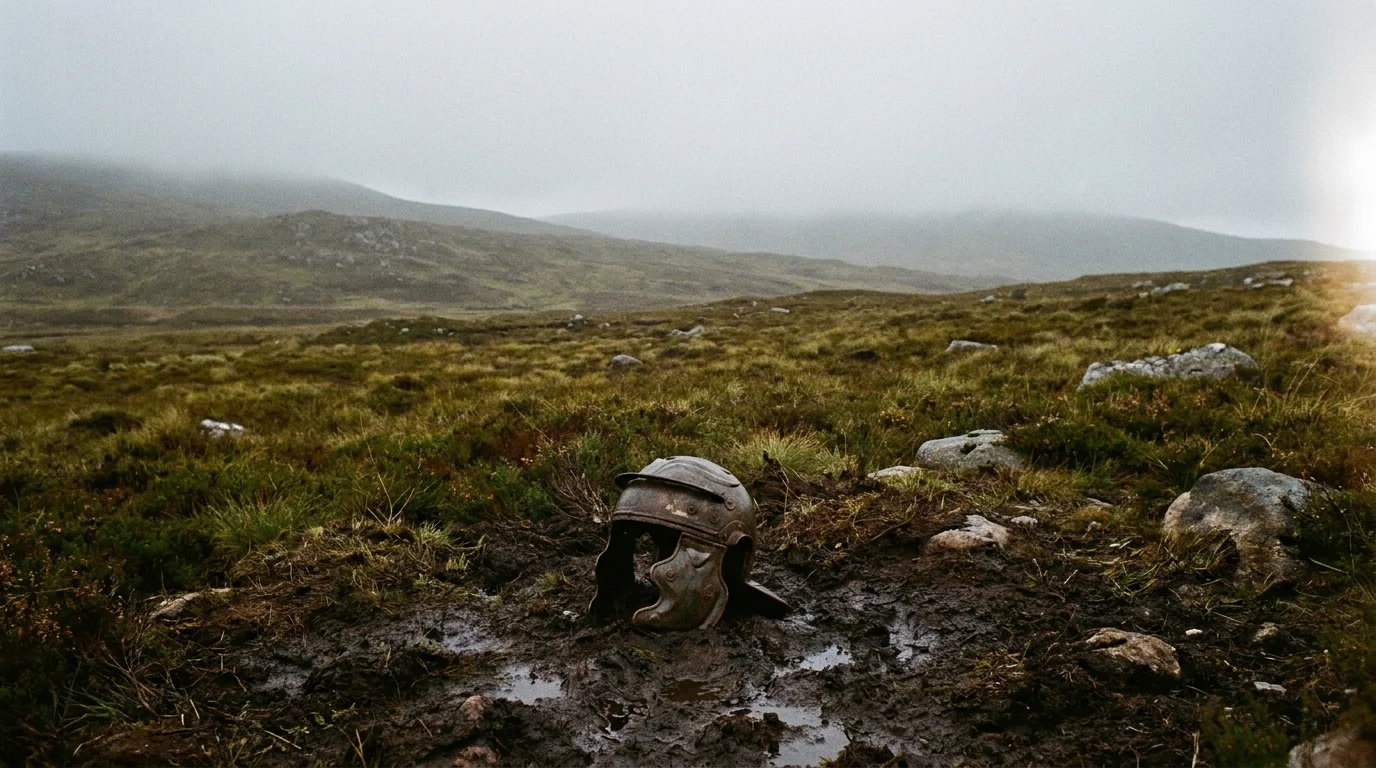
Interesting Find #8: The Unexplained Fate of the Ninth Legion
The legendary Legio IX Hispana, indisputably one of the Roman Empire’s most formidable military units, completely vanishes from formal historical records shortly after 120 CE. Stationed permanently in the damp, untamed northern frontiers of Britain, this elite strike force of over 5,000 highly trained soldiers seemingly disappeared into the mist without leaving a trace of a massive battle, a sprawling mass grave, or a definitive military defeat. The sheer logistical nightmare of losing an entire established legion makes this one of the most enduring ancient mysteries.
For decades, classical historians confidently believed the Ninth Legion marched deep into Scotland and suffered total annihilation at the hands of fierce, decentralized Pictish tribes. However, recent archaeological tile finds in the Netherlands strongly suggest the legion may have been quietly redeployed to the European continent before facing ultimate destruction during the Bar Kokhba revolt in Judea or fighting against heavily armored Parthian forces in the East.
- The distinguished legion fought extensively in Gaul under Julius Caesar before permanently moving to Britain.
- Official Roman military logistical records show the active unit was stationed and building public infrastructure in York around 108 CE.
- The total lack of historical closure heavily influenced the plot of Rosemary Sutcliff’s famous historical novel, The Eagle of the Ninth.
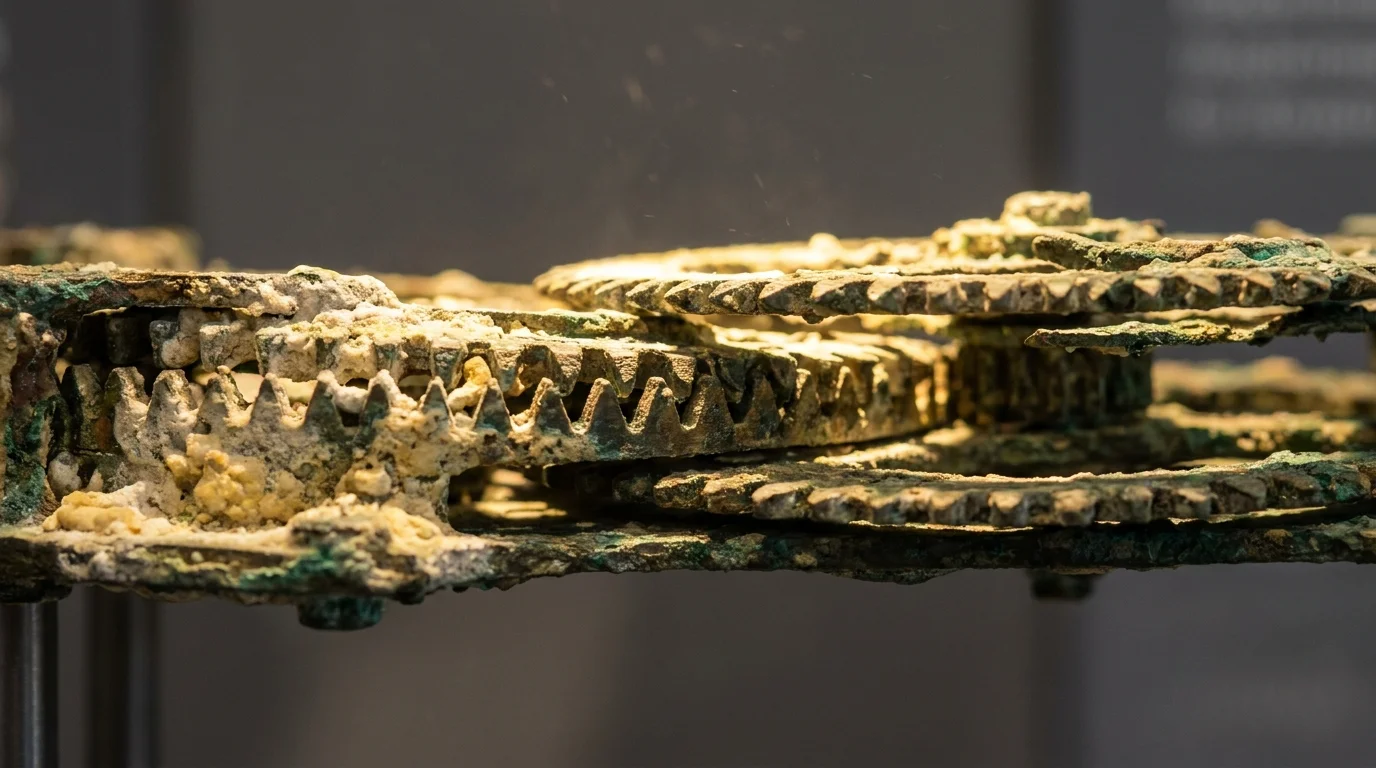
Interesting Find #9: The Purpose of the Antikythera Mechanism
Greek sponge divers braving the dangerous waters off the coast of Antikythera retrieved a heavily encrusted, oxidized lump of bronze from an ancient shipwreck in 1901. Upon utilizing advanced x-ray analysis decades later, researchers shocked the scientific community by discovering a highly complex, meticulously calculated gear-driven device that predates similar European technology by over a thousand years. This ancient analog computer accurately tracked complicated lunar cycles, predicted solar eclipses, and charted the planetary positions of the known solar system.
The breathtaking craftsmanship of the Antikythera Mechanism directly implies a long, well-established tradition of advanced mechanical engineering in ancient Greece, yet absolutely no other artifacts of this staggering sophistication exist anywhere in the global archaeological record. You have to wonder who designed this mechanical masterpiece and exactly why the practical knowledge of complex gear trains completely vanished for a millennium. Experts recently created a functional 3D digital replica to better understand the internal front gearing, but the true identity of its brilliant creator remains completely unknown.
- The core mechanism originally contained at least 37 meticulously cut bronze gears nested tightly inside a wooden box.
- It features an incredibly specific mechanical dial that tracked the four-year cultural cycle of the ancient Olympic Games.
- The underlying shipwreck dates back to roughly 60 BCE, though metallurgical analysis suggests the device itself may be several decades older.

Keep the Momentum: Staying Curious & Informed
History operates as an active, ongoing investigation rather than a stagnant collection of dates and names. As archaeologists deploy cutting-edge technologies like aerial LiDAR scanning, ground-penetrating radar, and artificial intelligence for pattern recognition, the entire landscape of unexplained history constantly shifts and evolves. You can easily stay ahead of the curve by actively engaging with the historical community and supporting the scientific organizations funding these monumental global excavations.
Follow reputable scientific journals and university history departments on their digital platforms to catch exciting breakthroughs as they happen. Many historical societies host engaging public lectures, publish highly accessible research summaries, and even routinely invite enthusiastic volunteers to participate in local archaeological digs.
Verify claims using resources such as ScienceAlert, Atlas Obscura, and investigative reporting from Reuters.
Frequently Asked Questions
How do historians verify ancient texts like the Voynich Manuscript?
Linguists and historians rely heavily on a scientific combination of radiocarbon dating, multispectral ink spectrometry, and comparative historical context analysis. When dealing with unsolved history mysteries, modern experts also apply advanced computational linguistics and complex statistical modeling to determine if a text contains the natural entropy of a real spoken language or if it functions purely as a deliberate mathematical cipher.
Will modern technology eventually solve all ancient mysteries?
While incredible advancements like rapid DNA sequencing and satellite imaging successfully solve many historical cold cases, certain historical events simply lack sufficient surviving physical evidence to ever reach a truly definitive conclusion. Fragile artifacts rapidly deteriorate over time, and undocumented ancient cultures routinely leave permanent gaps that modern technology alone cannot easily bridge.
How can I actively participate in researching world history?
You can readily join global crowdsourced research projects that rely entirely on eager public participation. Innovative digital platforms like Zooniverse allow remote volunteers to directly transcribe fragile historical ship logs, visually identify buried archaeological sites from vast satellite imagery, and actively assist researchers in cataloging massive historical datasets straight from the comfort of your own home.
Where should I go to reliably fact-check newly reported historical discoveries?
Always consult trusted primary sources, established peer-reviewed academic journals, and reputable institutional websites. Actively avoid sensationalized social media claims by cross-referencing viral news with official university press releases and respected international archaeological associations.
Disclaimer: Details can evolve quickly. Always confirm current information with primary sources before sharing or acting.