Human history hides a trove of archaeological puzzles that defy our modern understanding of technology and culture. You can stand inches from mechanical devices forged millennia before the industrial revolution and decipherless texts that continue to baffle elite cryptographers. By exploring these ancient discoveries, you confront the tantalizing gaps in our collective memory and the sophisticated capabilities of our ancestors. From labyrinthine subterranean metropolises carved into volcanic ash to monolithic spheres scattered across tropical jungles, these historical mysteries challenge everything you thought you knew about human progress. Pack your curiosity and prepare to examine the world’s most enduring unexplained discoveries, unlocking inspiration for your next great global adventure.

Highlight #1: The Antikythera Mechanism
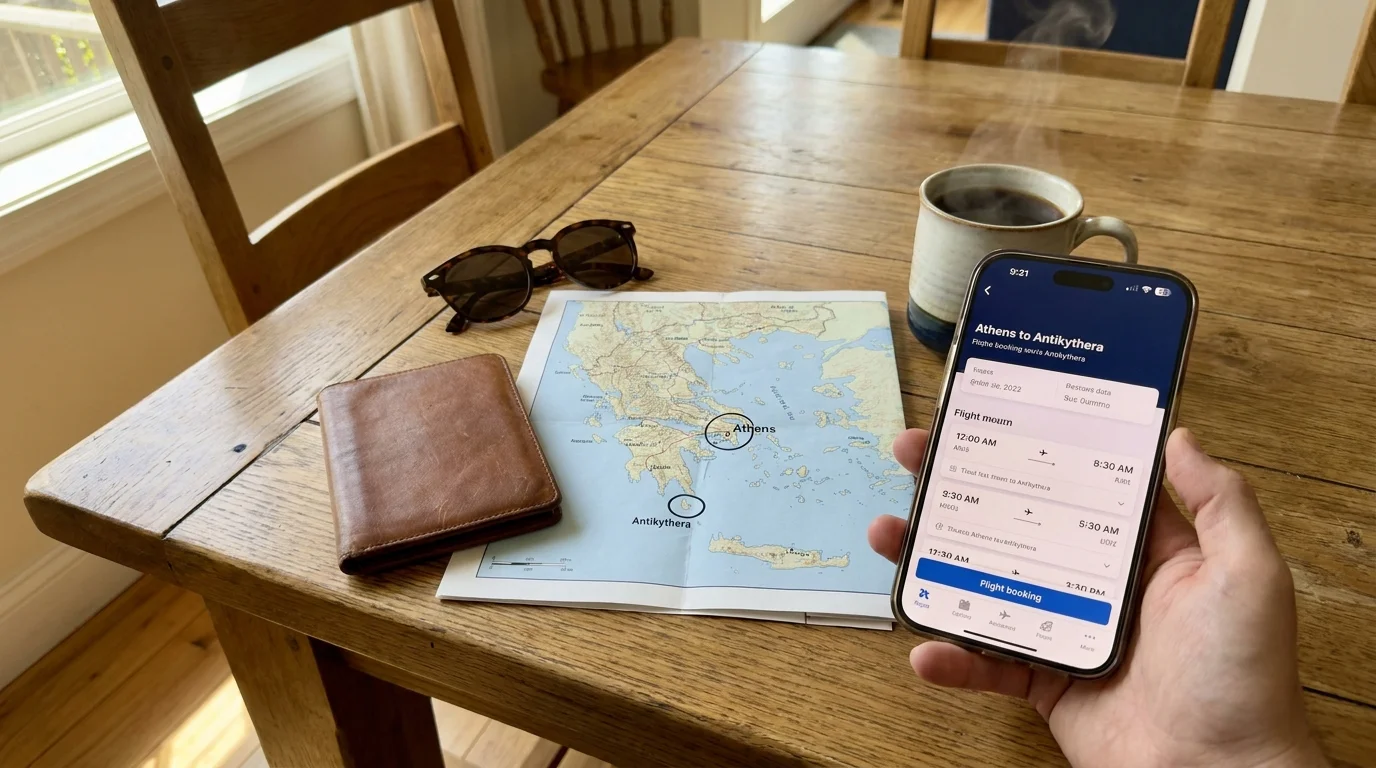
You will find few objects on Earth as technologically jarring as the Antikythera Mechanism. Discovered by Greek sponge divers in 1901 off the rocky coast of the island of Antikythera, this corroded bronze lump changed the timeline of human invention forever. When modern scientists finally peered inside the artifact using high-resolution X-ray tomography, they found a dizzying array of interlocking bronze gears. The device was deliberately designed to track eclipses, lunar phases, and planetary positions with terrifying precision.
This 2nd-century BC analogue computer proves that ancient engineers possessed mechanical knowledge that supposedly vanished for another millennium until the emergence of European cathedral clocks. Today, you can view the original fragments—alongside dazzling modern reconstructions—at the National Archaeological Museum in Athens. Curator and physicist Yanis Bitsakis has spent years helping decode the tiny inscriptions that act as an intricate user manual etched directly onto the device’s bronze casing.
- Location: National Archaeological Museum, Athens, Greece.
- When to Visit: Arrive exactly at opening time during the shoulder seasons of May or October to avoid massive crowds around the glass display cases.
- Insider Tip: Spend time watching the digital reconstruction video looping in the exhibit hall; it brilliantly clarifies the staggering genius of the interlocking gear trains.
Highlight #2: The Voynich Manuscript
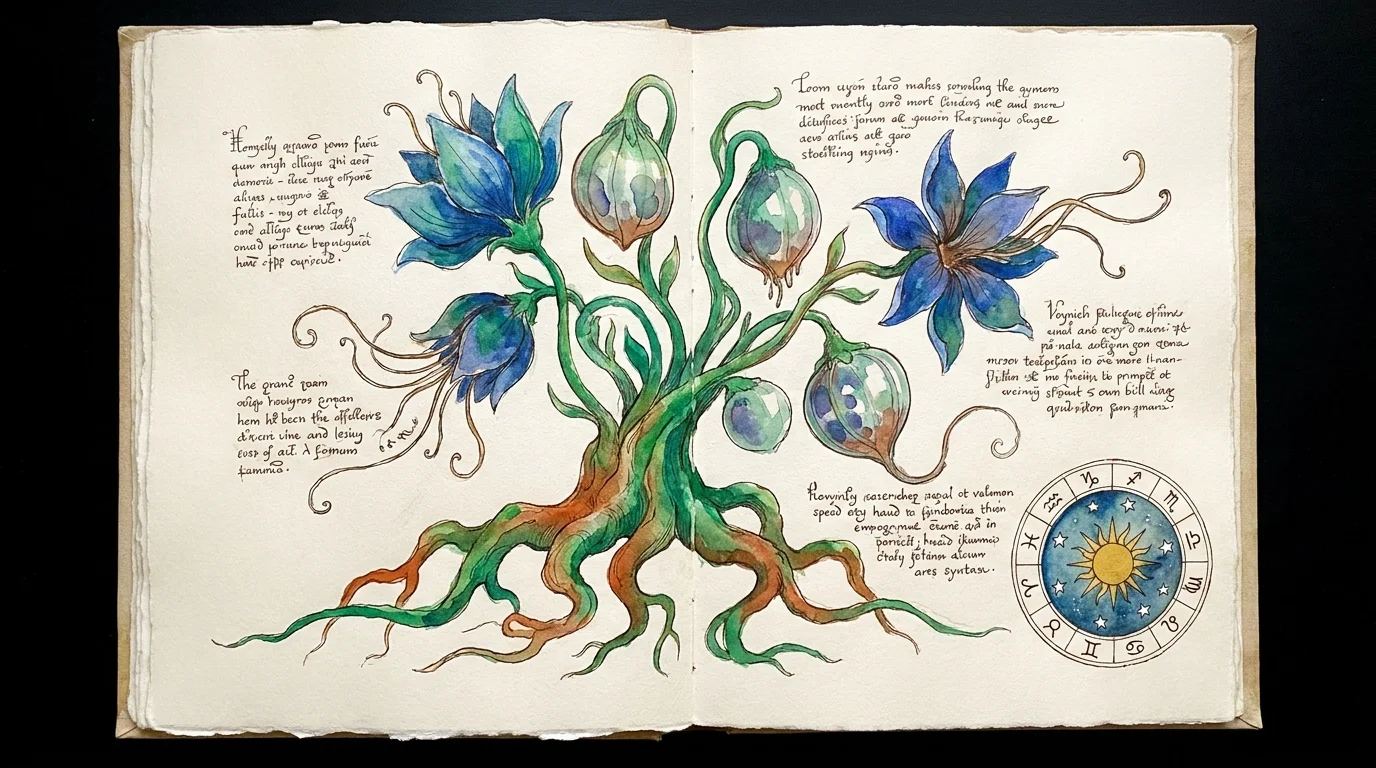
Hidden away in the climate-controlled vaults of Yale University’s Beinecke Rare Book & Manuscript Library, the Voynich Manuscript represents the ultimate cryptographic puzzle. Carbon-dated strictly to the early 15th century, this peculiar vellum codex features an elegant, looping script that actively resists all attempts at decipherment. Modern artificial intelligence algorithms and elite military codebreakers continually fail to crack its structural syntax.
Beyond the completely unreadable text, the manuscript bursts with vibrant watercolor illustrations of bizarre flora that do not physically exist on Earth. You will also find anatomical drawings of naked women bathing in vibrant green pools, alongside intricate, highly stylized zodiac charts. You cannot help but wonder if this text served as an alchemist’s secret medical recipe book or an incredibly elaborate medieval hoax. The manuscript easily remains one of the most captivating historical mysteries you can study today.
- Location: Beinecke Rare Book & Manuscript Library, New Haven, Connecticut.
- How to Experience: Yale provides fully digitized, high-resolution scans of the entire text online for global armchair sleuths to explore freely.
- Insider Tip: Focus your attention heavily on the fascinating “balneological” section; the strange plumbing systems depicted hint at deeply forgotten medieval understandings of thermal baths.
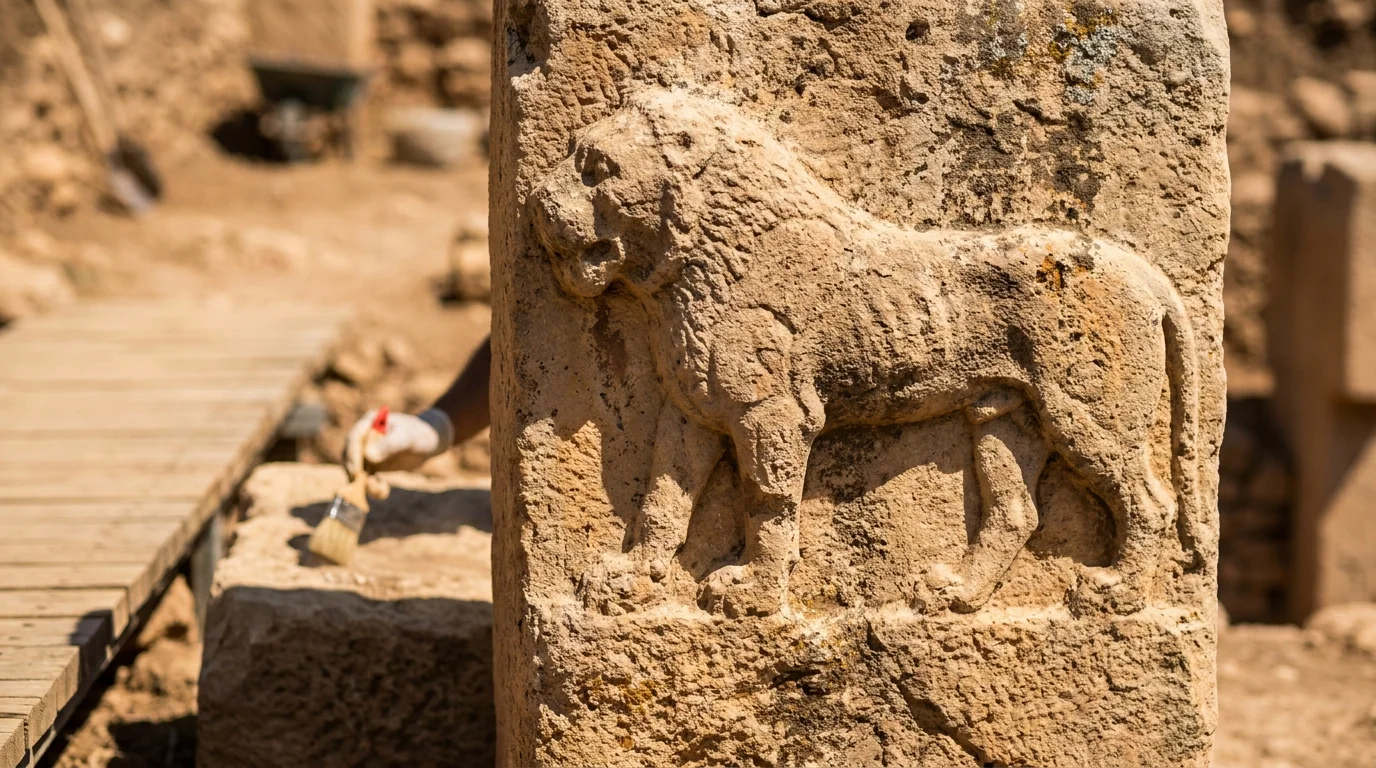
Highlight #3: Göbekli Tepe
Before humanity invented writing, large-scale agriculture, or the wheel, hunter-gatherers in southeastern Turkey erected a monumental temple complex that shatters our accepted timeline of civilization. Dating all the way back to 10,000 BC, Göbekli Tepe consists of massive T-shaped limestone pillars arrayed deliberately in huge circular enclosures. The late German archaeologist Klaus Schmidt dedicated his professional life to excavating these stones, revealing fierce animal reliefs depicting lethal scorpions, roaring lions, and massive vultures.
Walking through the dusty site forces you to completely rethink standard archaeology facts. Scholars previously believed that settled farming societies gave rise to complex religion and monumental architecture. Göbekli Tepe flips the academic script completely. The sheer logistical effort required to carve and transport these megaliths likely forced nomadic tribes to invent localized agriculture simply to feed the massive workforce required for construction.
- Location: Şanlıurfa Province, Southeastern Turkey.
- Getting There: Fly directly into Şanlıurfa and hire a reliable local driver; the site sits about nine miles northeast of the city limits.
- Budget: General admission costs very little, but hiring an expert local guide elevates the educational experience immensely by providing crucial historical context.
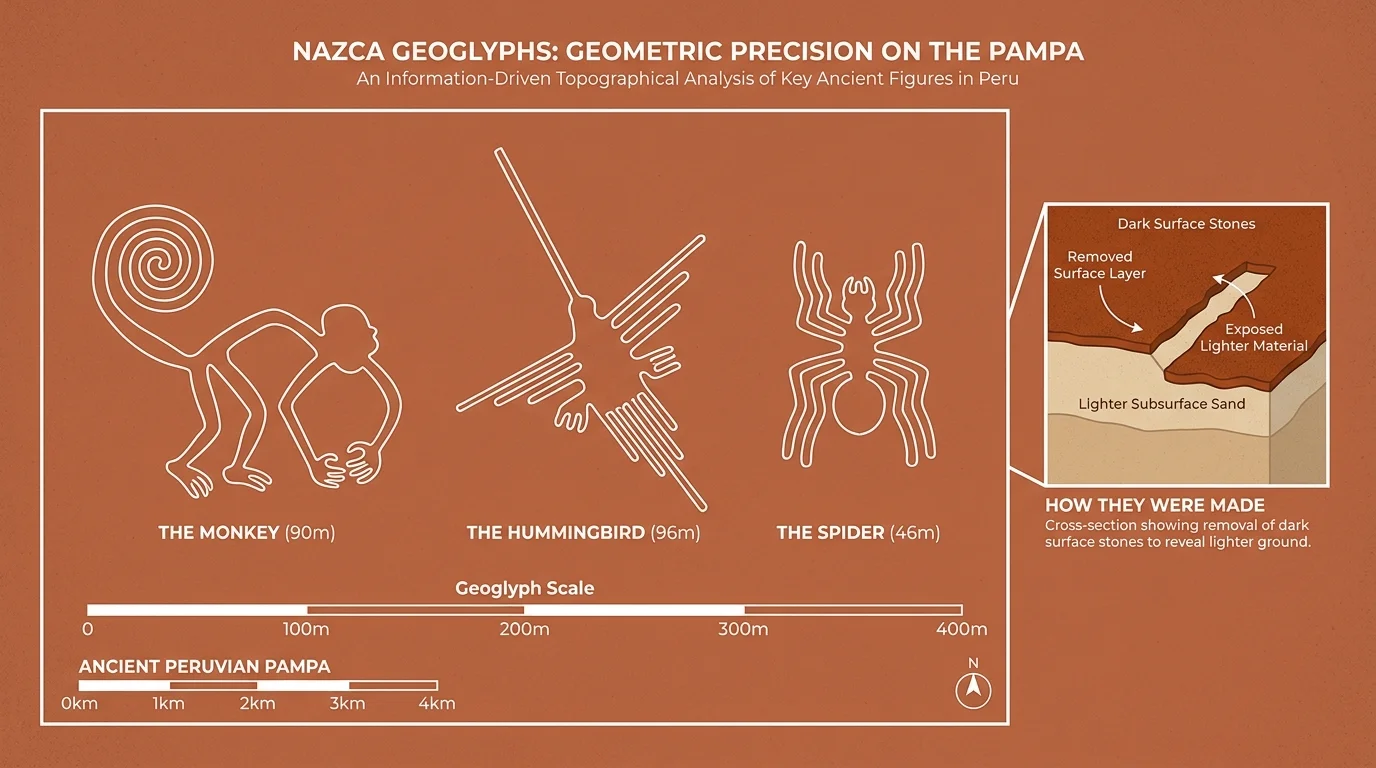
Highlight #4: The Nazca Lines
You must take to the sky to fully comprehend the sprawling magnitude of the Nazca Lines. Etched deeply into the arid desert plateau of southern Peru between 500 BC and 500 AD, these massive geoglyphs depict over 70 distinct animal and plant motifs. As you bank over the desert, you easily spot a 300-foot-long hummingbird, a highly stylized spider, and a peculiar monkey with a coiled tail.
German mathematician Maria Reiche spent decades measuring and sweeping these lines, theorizing they acted as an enormous astronomical calendar. While modern researchers understand exactly how the indigenous Nazca people created the figures—simply by removing iron-oxide-coated pebbles to expose the pale earth underneath—the overarching purpose of these desert canvases ranks among the premier unexplained discoveries. Did they serve as long processional walkways for desperate rain rituals, or grandiose messages meant strictly for the eyes of the gods?
- Location: The Nazca Desert, Southern Peru.
- How to View: Book a specialized scenic flight departing from the Maria Reiche Neuman Airport located right in Nazca.
- Insider Tip: Take motion sickness medication an hour before your flight; the tiny Cessna planes bank steeply left and right so passengers on both sides can clearly photograph the glyphs.
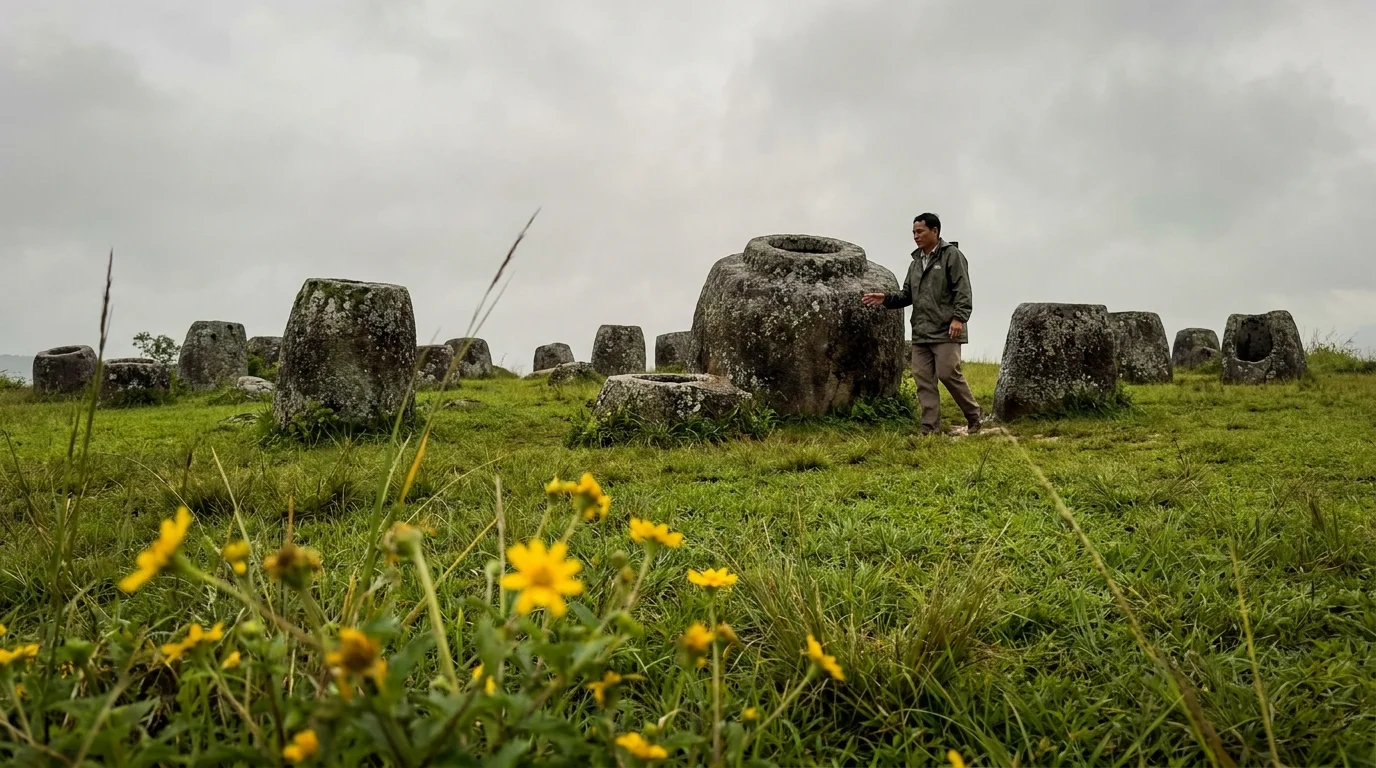
Highlight #5: The Plain of Jars
Scattered randomly across the remote, rolling hills of the Xieng Khouang plateau in northern Laos, thousands of megalithic stone vessels loom silently in the misty landscape. Some of these colossal stone jars weigh several tons and stand noticeably taller than an adult human. Archaeologists broadly date their creation to the regional Iron Age, noting that they likely played a highly central role in complex funerary and burial rites.
However, the exact civilization responsible for carving these massive sandstone and granite vessels remains completely unknown. You plunge headfirst into the great mysteries history has buried in the region when you hike between these highly evocative sites. Modern researchers continue to eagerly uncover secondary burial sites surrounding the jars, yet the complete cultural context continually escapes their grasp.
- Location: Phonsavan, Xieng Khouang Province, Laos.
- Safety Notice: Only ever visit officially cleared and designated sites. The wider surrounding region still harbors dangerous unexploded ordnance from the Vietnam War.
- Timing: Plan your visit tightly during the dry season between November and March to guarantee clear skies and highly accessible dirt roads.
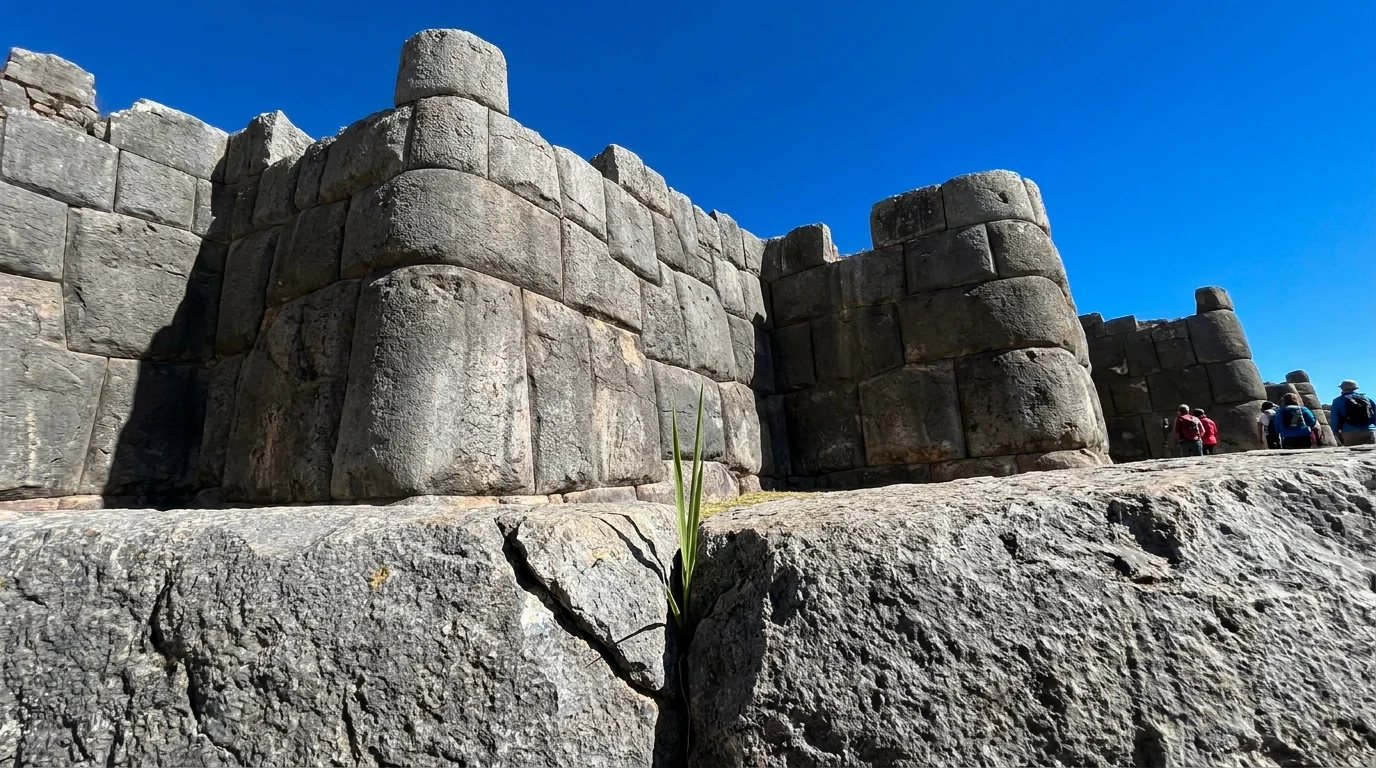
Highlight #6: Sacsayhuamán
Towering majestically over the historic Andean capital of Cusco, the Inca citadel of Sacsayhuamán stands as a brute engineering marvel that defies basic architectural logic. The defensive complex features zigzagging dry-stone walls constructed of colossal andesite boulders, with some individual blocks weighing well over 100 tons. The master Inca stonemasons carved these heavy polygonal blocks to fit together with such microscopic precision that you cannot slide a single sheet of paper between the tight joints—and they executed it all entirely without mortar.
Even today, modern architects cannot fully explain how a highland culture entirely lacking draft animals, hardened iron tools, or the wheel managed to smoothly quarry, safely transport, and perfectly seat these gargantuan stones. Sacsayhuamán routinely survives intense regional earthquakes that easily crumble modern concrete structures, directly pointing to an incredibly sophisticated indigenous understanding of seismic energy dissipation.
- Location: The immediate northern outskirts of Cusco, Peru.
- Altitude Prep: The ruins sit at an aggressive elevation of 12,140 feet; spend at least two full days acclimating in Cusco before attempting the steep walk up the hill.
- When to Visit: Arrive right at dawn to watch the golden morning light rake dramatically across the monumental stonework before tour buses arrive.
Highlight #7: The Rongorongo Script
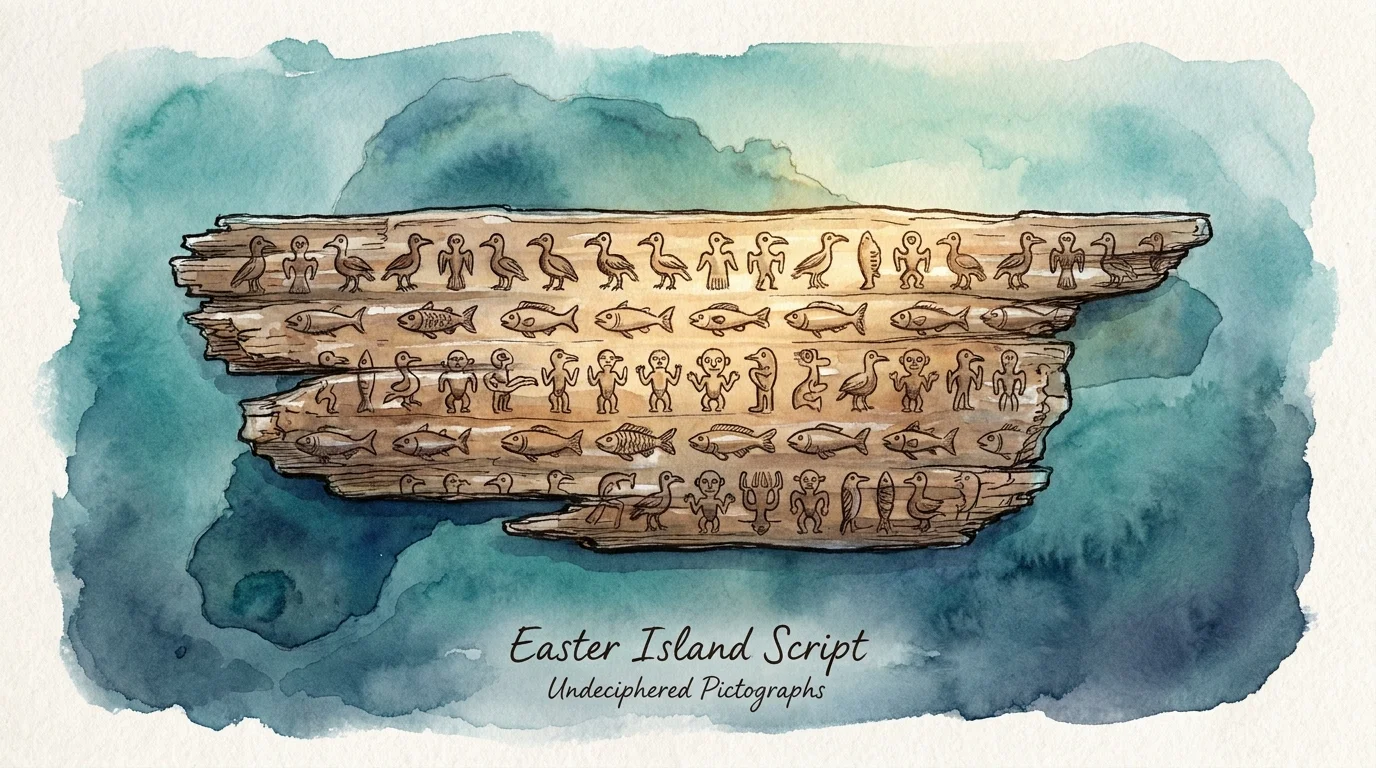
Easter Island—known respectfully by locals as Rapa Nui—remains globally famous for its towering Moai statues, but it guards a secondary, far more frustrating enigma. During the late 19th century, visiting Catholic missionaries discovered small wooden tablets etched thoroughly with a glyphic writing system known today as Rongorongo. These rare artifacts feature dense, alternating rows of stylized humans, native animals, and sharp geometric shapes carved efficiently using sharp obsidian flakes.
Leading linguists believe Rongorongo represents an entirely independent invention of writing—one of only a handful of verifiable times this occurred in human history. Unfortunately, violent slave raids and imported disease completely decimated the island’s learned class in the 1860s, taking the vital ability to read the script permanently to the grave. Today, roughly two dozen authentic texts exist globally, leaving scholars to debate their true meaning endlessly.
- Location: Authentic tablets heavily reside in global institutions like the Vatican Library and the Museo Nacional de Historia Natural in Santiago, Chile.
- What to See Locally: Visit the excellent R. P. Sebastian Englert Anthropological Museum on Rapa Nui to view precise replicas and learn about ongoing linguistic preservation efforts.
- Cultural Etiquette: Always politely refer to the island and its indigenous people by their proper traditional name, Rapa Nui.
Highlight #8: Derinkuyu Underground City
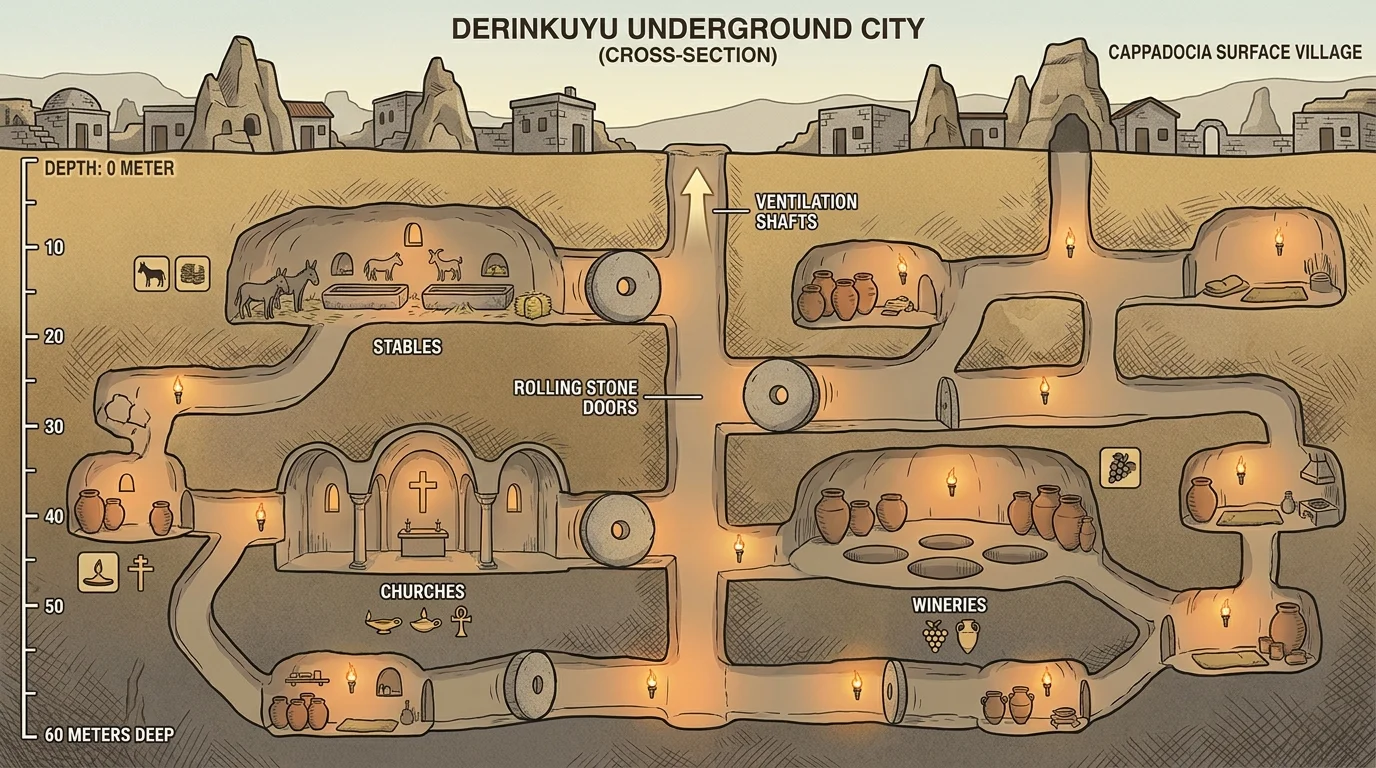
In 1963, a local man casually renovating his basement in the Cappadocia region of Turkey knocked down a simple wall and accidentally stumbled into a vast, terrifying subterranean metropolis. Derinkuyu extends a staggering 18 stories deep, carved deliberately and carefully into the region’s soft volcanic tuff. This sprawling underground survival network features complex living quarters, heavy communal wine presses, animal stables, religious chapels, and incredibly complex ventilation shafts that provided fresh air to an estimated 20,000 residents hiding securely from surface invaders.
While early persecuted Christians expanded the hidden city heavily during the troubled Byzantine era, researchers still aggressively debate who excavated the initial deep levels and when the intense digging truly began. The raw engineering prowess required to continuously prevent cave-ins and securely manage human waste on such a massive scale remains utterly astonishing today.
- Location: Derinkuyu District, Nevşehir Province, Central Turkey.
- Logistics: Highly consider hiring a local guide to safely navigate the labyrinthine tunnels; getting lost deep inside the unlit sectors poses a genuine, terrifying risk.
- Physical Requirement: You must frequently crouch and awkwardly navigate very narrow, steep stairwells, making this destination challenging for those suffering from severe claustrophobia.
Highlight #9: The Stone Spheres of Costa Rica
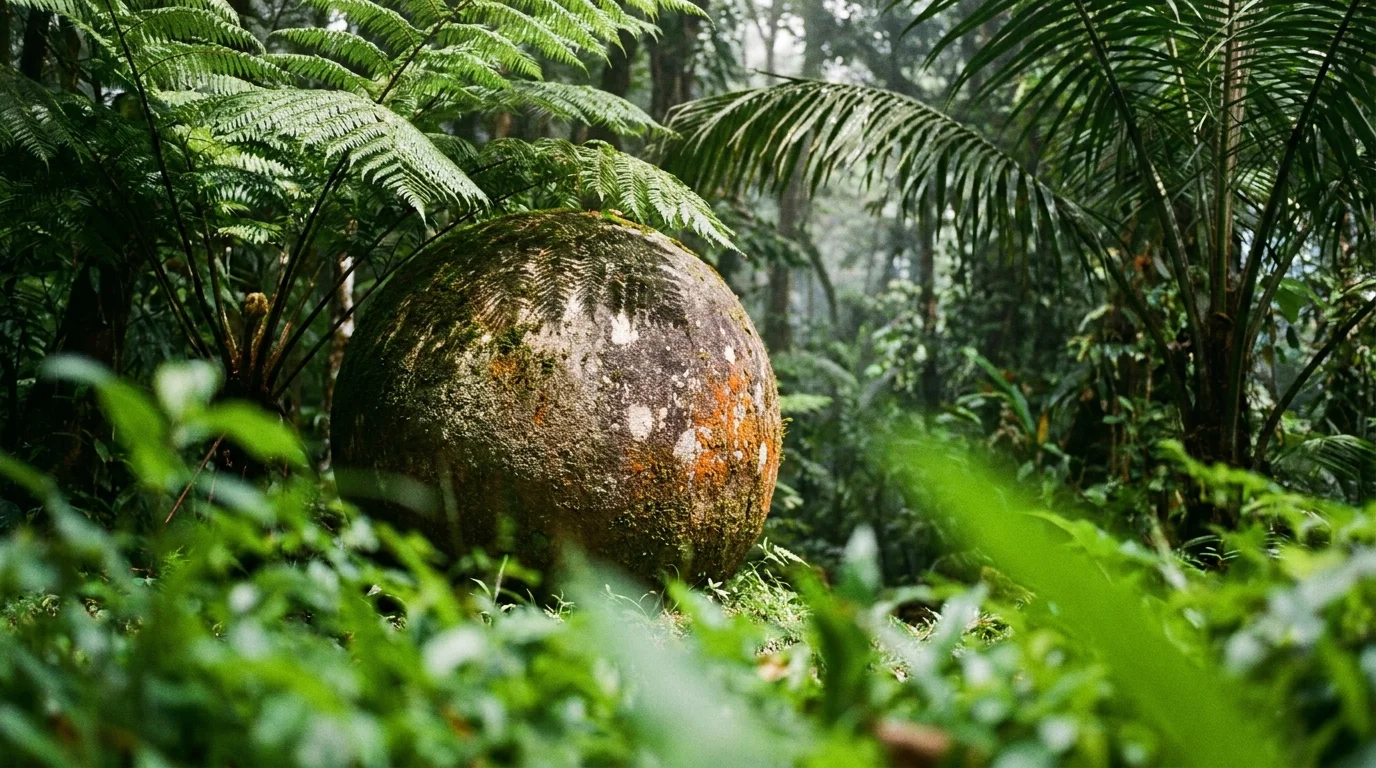
Deep in the humid Diquis Delta of southern Costa Rica, hundreds of perfectly round petrospheres rest heavily in the sweltering tropical heat. Ranging wildly in size from a few subtle centimeters to well over two massive meters in diameter, these heavy gabbro rocks were meticulously shaped by an advanced pre-Columbian civilization sometime between 600 and 1000 AD.
When the United Fruit Company brutally cleared the virgin jungle for expansive banana plantations in the 1930s, agricultural workers discovered the spheres and unfortunately moved many far from their original alignments. Because their crucial initial positions were violently lost, modern archaeologists struggle deeply to decipher their true civic purpose. Were they celestial astronomical markers, heavy status symbols for local chiefs, or rigid territorial boundaries? Their striking geometric perfection amidst the chaotic, tangled jungle backdrop routinely commands absolute awe.
- Location: Palmar Sur and the broader Diquis Delta region, Costa Rica.
- Where to See Them: Visit the federally protected Finca 6 Archaeological Site, which carefully preserves several massive spheres strictly in their original, undisturbed physical alignments.
- Climate Gear: Bring highly robust insect repellent and lightweight, breathable clothing to aggressively combat the intense, suffocating humidity of the southern Pacific zone.
Keep the Momentum: How to Plan Your Own Adventure
Transforming your raw fascination with these ancient discoveries into a highly tangible itinerary requires careful, deliberate preparation. First, establish a realistic financial budget that actively accounts for hiring expert local guides. You consistently extract infinitely more value from an ancient site when a credentialed archaeologist or specialized regional historian contextualizes the ruined stones right before your eyes. Prioritize meaningful slow travel; spend three deliberate days deeply exploring the Sacred Valley rather than chaotically rushing between Cusco and Machu Picchu in a single, exhausting afternoon.
Embrace thoughtful sustainable choices by deliberately patronizing locally owned boutique hotels and eating exclusively at family-run dining establishments near the actual archaeological zones. This simple choice injects your valuable travel capital directly into the specific communities actively preserving these wonders. Always practice the absolute utmost respect when wandering through these highly delicate landscapes. Touching ancient stonework, illegally pocketing souvenir pebbles, or casually stepping over roped boundaries aggressively accelerates the permanent degradation of these totally irreplaceable global treasures.
Frequently Asked Questions
What makes a discovery truly unexplained?
A historical discovery strictly remains unexplained when modern science absolutely cannot definitively answer how it was created, who built it, or what exact societal purpose it effectively served. Quite often, a sheer lack of contemporary written records or the tragic destruction of the artifact’s original physical context entirely obscures the historical truth.
Are these historical sites safe for tourists to visit?
Most high-profile global archaeological zones actively maintain rigorous safety standards and highly well-marked tourist pathways. However, you must always independently assess shifting regional political climates, strictly adhere to active local travel advisories, and physically prepare for strenuous exertion at extreme altitudes or inside deep, cramped underground tunnels.
How accessible are these ancient archaeological sites?
Accessibility varies wildly depending heavily on the specific geographic location. While modern museums seamlessly housing artifacts like the famous Voynich Manuscript offer highly comprehensive wheelchair access, rugged sites like Derinkuyu strictly require navigating steep, uneven terrain. Always consult official municipal accessibility guides before booking your flights.
Will we ever solve these enduring historical mysteries?
Rapid advancements in non-invasive scientific technologies—specifically aerial LiDAR scanning, AI-driven digital pattern recognition, and robust ground-penetrating radar—constantly uncover highly vital fresh data. While some esoteric secrets may remain permanently lost to deep time, modern science consistently and effectively chips away at the dark unknown.
Verify travel advisories and guidelines through the European Union travel portal. For cultural research, consult institutions like Lonely Planet and National Geographic.
Disclaimer: Information can change quickly. Confirm opening times, pricing, and safety advisories with official sources before booking or travelling.