Human history leaves behind more questions than answers; some enigmas persistently defy the world’s brightest minds. You can explore grand palaces, isolated islands, and dusty archives to chase the truth behind these captivating illusions. While modern archaeology decodes countless ancient secrets, a handful of complex puzzles remain stubbornly out of reach. From vanished colonies to bizarre ciphers, these historical mysteries spark global curiosity and invite you to play detective. Whether you seek thrilling travel destinations or want an intriguing narrative to unpack from home, investigating these strange events connects you to our unpredictable past. Delve into ten enduring unsolved mysteries that continue to baffle researchers, complete with practical tips on how you can experience their lingering legacy firsthand.
1. The Voynich Manuscript
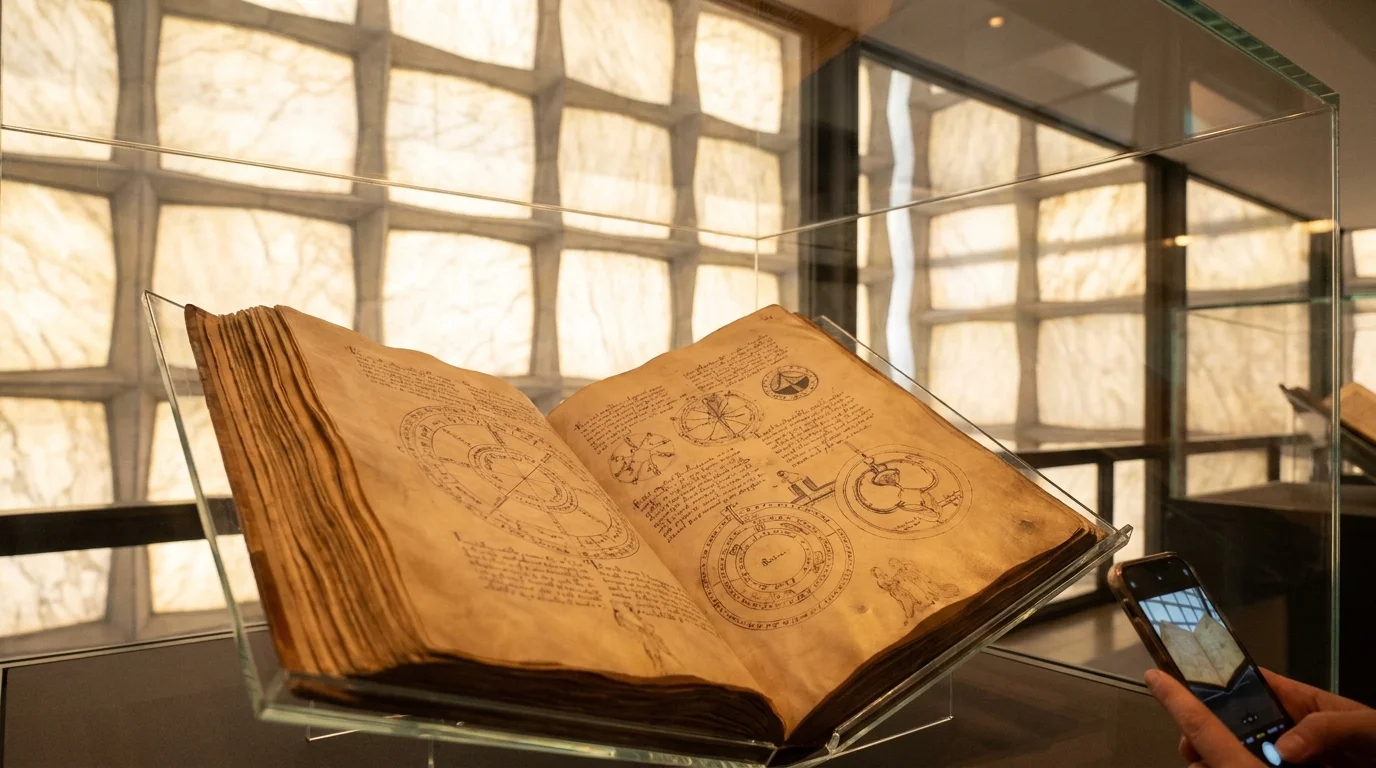
Inside Yale University’s Beinecke Rare Book and Manuscript Library rests a heavily guarded text that defeats the greatest cryptographers. Carbon-dated to the early 15th century, the Voynich Manuscript features 240 pages of an entirely unknown language, accompanied by intricate illustrations of nonexistent plants, bizarre astrological charts, and women bathing in elaborate plumbing systems. Polish antiquarian Wilfrid Voynich purchased the codex in 1912, and since then, military codebreakers and modern artificial intelligence programs alike fail to crack its cipher.
To examine this artifact, you must navigate the stark, translucent marble architecture of the Beinecke Library in New Haven, Connecticut. While you cannot physically flip the delicate vellum pages yourself, the library frequently displays the book in secure glass cases. Exploring this text immerses you in one of the most compelling history mysteries of the academic world.
- Location: Beinecke Rare Book and Manuscript Library, 121 Wall Street, New Haven, CT.
- Accessibility: The exhibition hall is generally open to the public; check Yale’s calendar for specific display rotations.
- Insider Tip: Download the complete digital scan from Yale’s online repository before your visit to familiarize yourself with the alien botanical drawings.
2. The Lost Colony of Roanoke
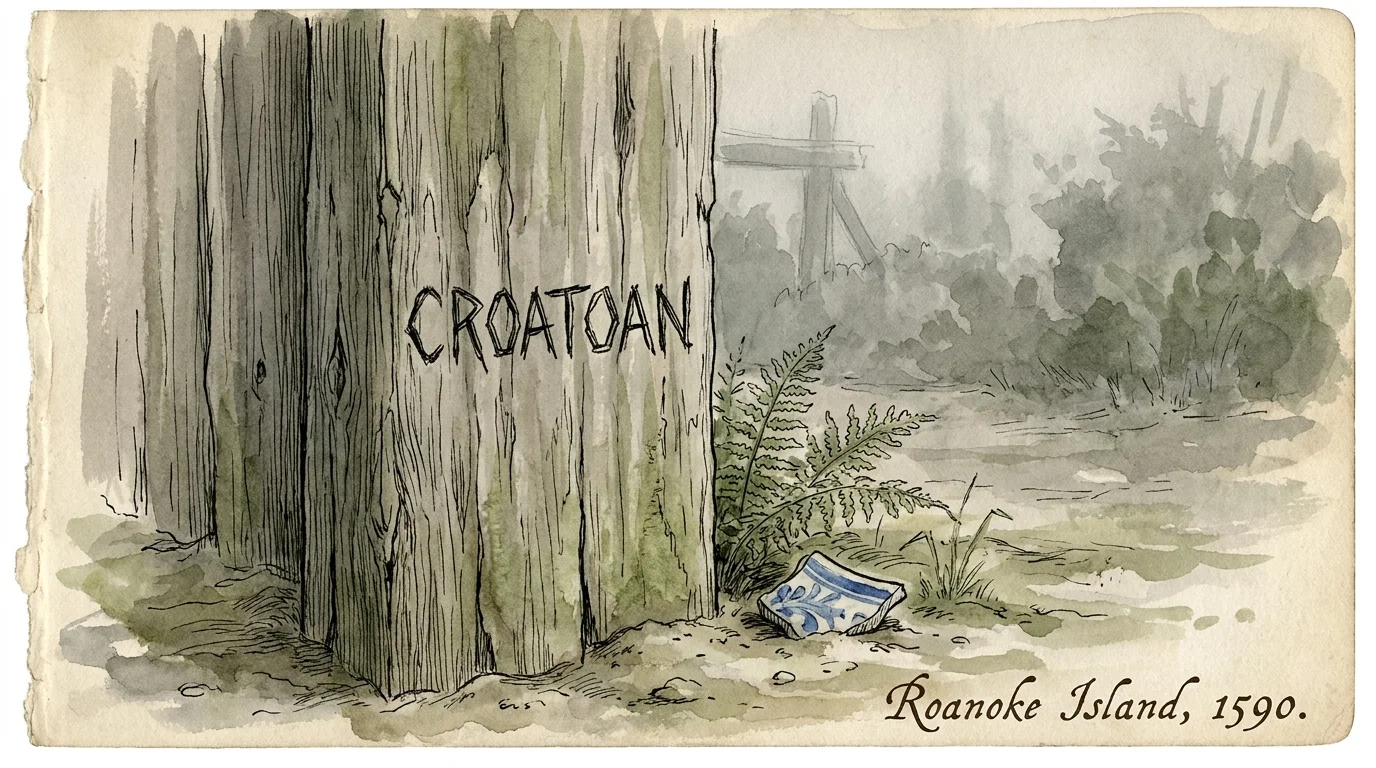
In 1587, English explorer John White left his fledgling colony on Roanoke Island off the coast of North Carolina to gather supplies in Europe. When he secured passage back three years later, he found the settlement completely dismantled and abandoned. The only clue left behind was the word “CROATOAN” carved into a wooden post. White’s own granddaughter, Virginia Dare, vanished along with 114 other men, women, and children, leaving zero human remains or signs of a struggle.
Today, you can walk the lush, maritime forests of the Fort Raleigh National Historic Site and stand exactly where these early settlers built their ill-fated homes. Archaeologists continue to unearth Elizabethan coins and pottery shards nearby, fueling endless debates about assimilation with local Indigenous tribes or tragic maritime accidents. This coastal destination provides an atmospheric backdrop for investigating strange events firsthand.
- Location: Fort Raleigh National Historic Site, Manteo, North Carolina.
- Admission: Free entry to the park grounds; guided tours run frequently during peak summer months.
- Must-Do: Secure tickets to “The Lost Colony,” an outdoor symphonic drama performed right on the water’s edge.

3. The Amber Room
Often dubbed the “Eighth Wonder of the World,” the original Amber Room featured walls covered entirely in brilliant, glowing amber backed by gold leaf and mirrors. Crafted in Prussia during the 18th century, it eventually became the crown jewel of the Catherine Palace near Saint Petersburg. During World War II, Nazi forces dismantled the priceless chamber, packed it into dozens of crates, and shipped it to Königsberg Castle. By the end of the war, the glittering treasure completely vanished, sparking a relentless international treasure hunt.
You can experience the astonishing opulence of this lost masterpiece by visiting the flawless reconstruction at the Catherine Palace in Pushkin. Russian craftsmen spent over two decades using traditional techniques and six tons of Baltic amber to rebuild the room from black-and-white photographs. Standing amid the warm, golden glow provides a tangible connection to a glamorous architectural puzzle.
- Location: Catherine Palace, Pushkin, near Saint Petersburg, Russia.
- Best Time to Visit: Arrive early on a weekday morning during the off-season to avoid massive tour bus crowds.
- Budgeting: Entrance fees run approximately $20 USD but require booking well in advance through official channels.
4. The Nazca Lines
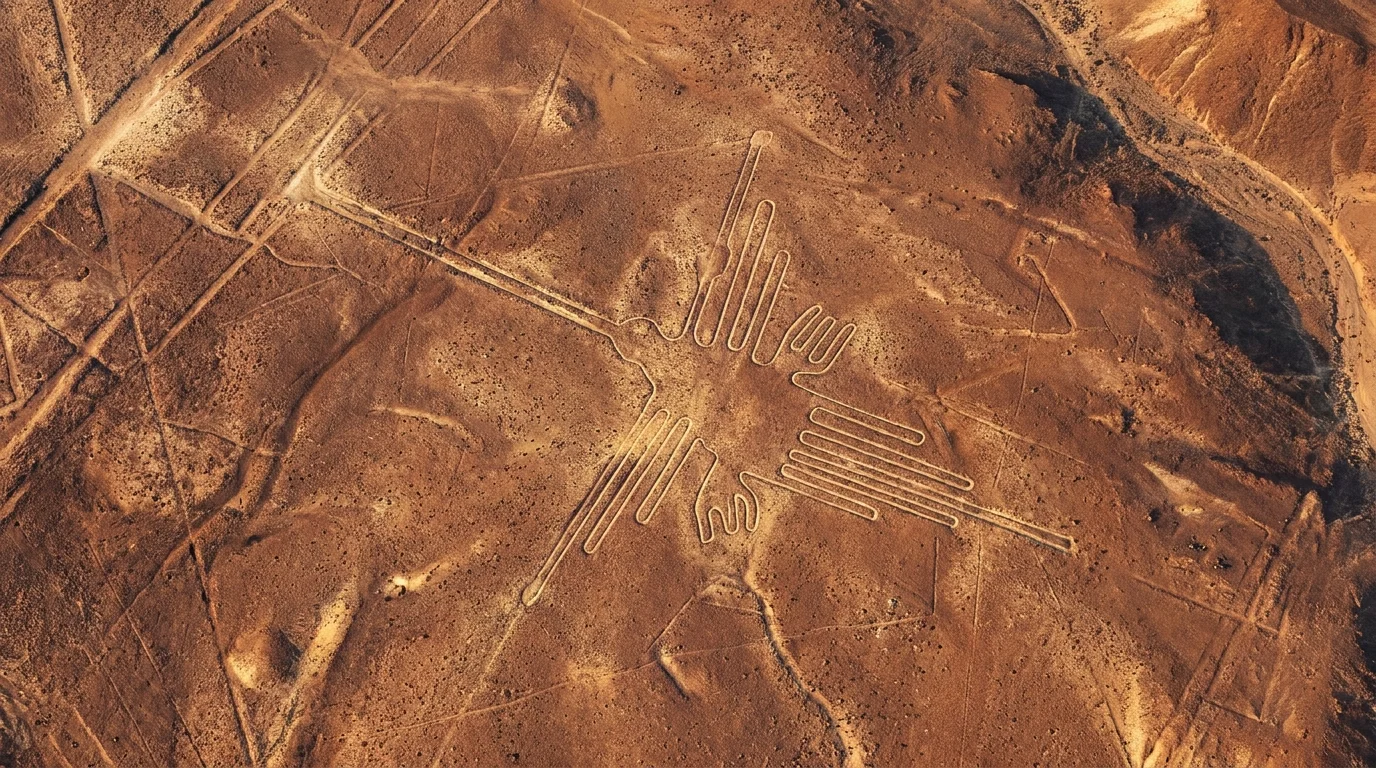
Scattered across the arid Pampa de Nazca in southern Peru, massive geoglyphs etch the shapes of hummingbirds, spiders, monkeys, and geometric patterns into the desert floor. Created between 500 BCE and 500 CE, these enormous line drawings span hundreds of feet and remain perfectly preserved thanks to the windless, rainless climate. Historians and archaeologists intensely debate their purpose. Theories range from complex astronomical calendars to sacred ceremonial pathways designed to appease sky-dwelling deities.
To truly grasp the monumental scale of these historical mysteries, you must view them from above. You can book a scenic flight from the nearby town of Nazca. As your small Cessna banks tightly over the sun-baked earth, the seemingly random trenches suddenly align into breathtakingly precise animal figures. It is a dizzying experience that forces you to respect the engineering prowess of ancient Andean civilizations.
- Location: Nazca Desert, southern Peru.
- Activity Cost: Scenic flights typically cost between $80 and $120 USD, depending on the departure airport.
- Travel Prep: Take motion sickness medication an hour before your flight; pilots perform sharp turns to guarantee perfect views.
5. Göbekli Tepe
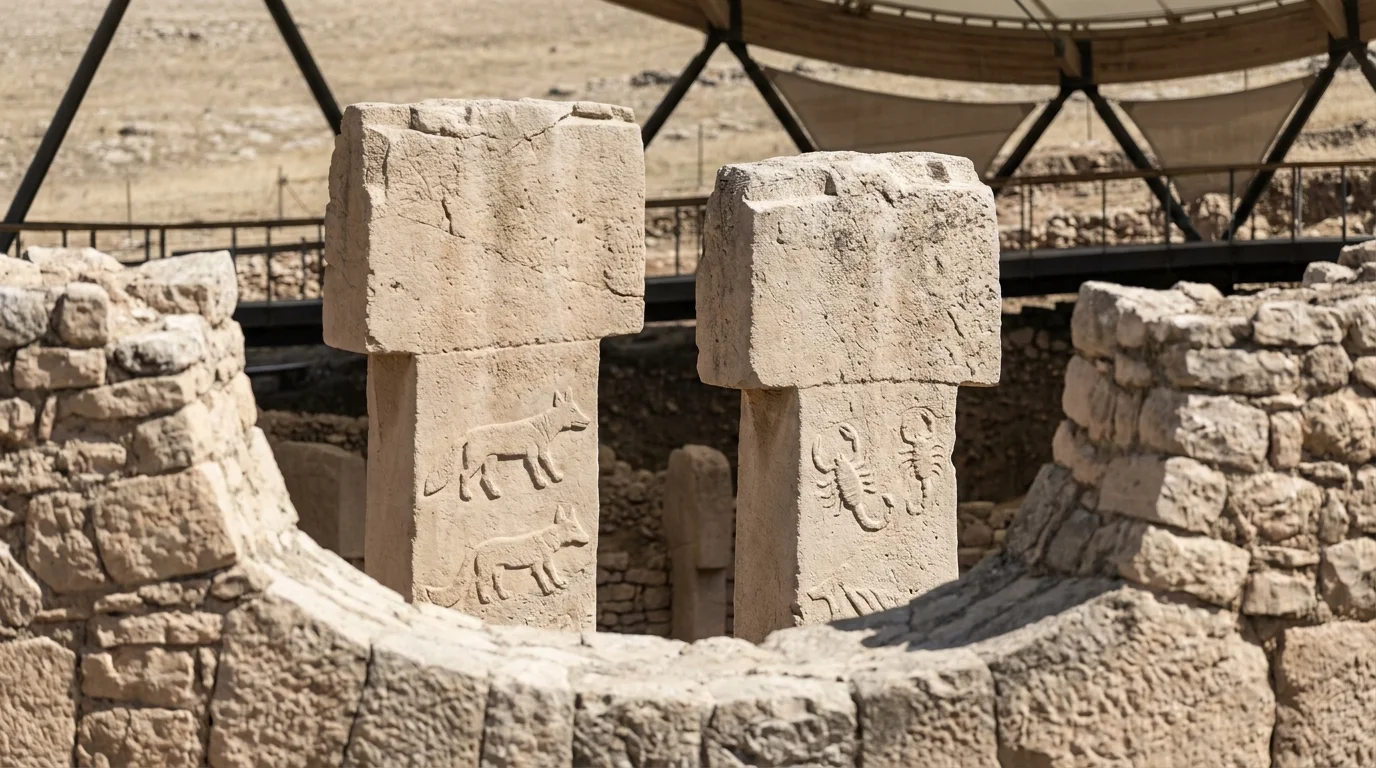
High on a ridge in southeastern Turkey sits an archaeological site that shatters conventional timelines of human civilization. Radiocarbon dating places Göbekli Tepe at a staggering 11,000 years old, making it older than Stonehenge by roughly six millennia. The site features massive, T-shaped limestone pillars intricately carved with menacing figures of scorpions, foxes, and vultures. Because hunter-gatherers constructed this monumental complex long before the invention of agriculture, historians struggle to explain how they mobilized the massive workforce required.
You can wander the elevated wooden walkways circling the excavation pits, staring down at these ancient monoliths as archaeologists continue to brush away the dust. The late archaeologist Klaus Schmidt famously suggested the human urge to worship drove the very creation of settled society here. Visiting this sun-drenched plateau rewards you with fascinating facts about our deep, unrecorded origins.
- Location: Şanlıurfa Province, southeastern Turkey.
- Accessibility: The site features excellent modern infrastructure, including a comprehensive visitor center with immersive 3D displays.
- Nearby Highlight: Spend an afternoon exploring the Şanlıurfa Archaeology Museum to view smaller artifacts recovered from the dig.
6. The Mary Celeste
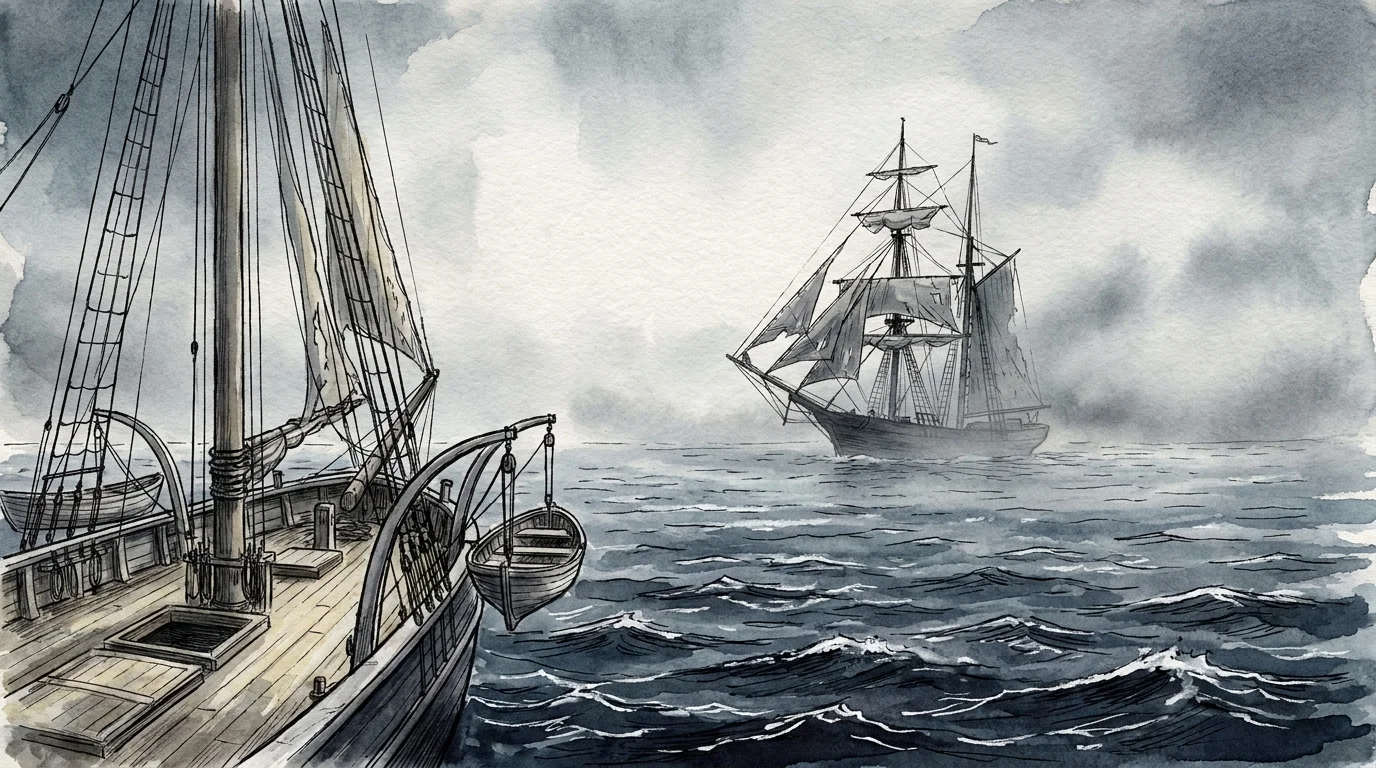
The legend of the Mary Celeste sets the gold standard for maritime anomalies. In December 1872, an English brigantine discovered the American merchant ship drifting aimlessly through the rough waters of the Atlantic Ocean. Boarding parties found the ship completely seaworthy and fully stocked with six months of food and water. However, the captain, his wife, their young daughter, and the entire seven-man crew had vanished into thin air without a single sign of a struggle.
While you cannot visit the sunken remnants of the ship itself—it was deliberately wrecked off the coast of Haiti years later—you can explore the rich maritime history of the Azores. The ship was discovered drifting near this stunning Portuguese archipelago. By touring the volcanic craters and historic harbors of Ponta Delgada, you tap into the same unpredictable, windswept Atlantic energy that spawned this legendary nautical tale.
- Location: The Azores, Portugal.
- Museum Connection: The Maritime Museum of the Atlantic in Halifax, Nova Scotia, frequently details relevant 19th-century seafaring lore.
- Nautical Etiquette: When booking sailing tours in the Azores, always prioritize operators certified for marine conservation.

7. The Somerton Man
On a balmy December morning in 1948, beachgoers found a smartly dressed man slumped dead against a seawall on Somerton Beach in Adelaide, Australia. He carried no identification, all the labels were meticulously cut from his clothing, and a secret pocket sewn into his trousers concealed a tiny scrap of paper reading “Tamám Shud”—Persian for “it is finished.” Autopsies suspected an undetectable poison, but the man’s identity baffled intelligence agencies for over seventy years.
Recent DNA breakthroughs by researcher Derek Abbott suggest the man was an electrical engineer named Carl Webb, but this revelation only deepens the puzzle. Was he a Cold War spy or a spurned lover? You can trace his final steps by walking the picturesque sands of Somerton Beach. Afterward, visit the historic Adelaide Railway Station, where the man abandoned a mysterious suitcase filled with stenciling tools and custom-tailored clothes.
- Location: Somerton Beach, Adelaide, South Australia.
- Local Vibe: Adelaide blends dark history with world-class dining; grab a flat white at a coastal cafe after walking the beach.
- Literature Tie-in: The torn paper originated from a rare copy of the Rubaiyat of Omar Khayyam; reading a copy adds eerie context to your visit.
8. The Identity of Jack the Ripper
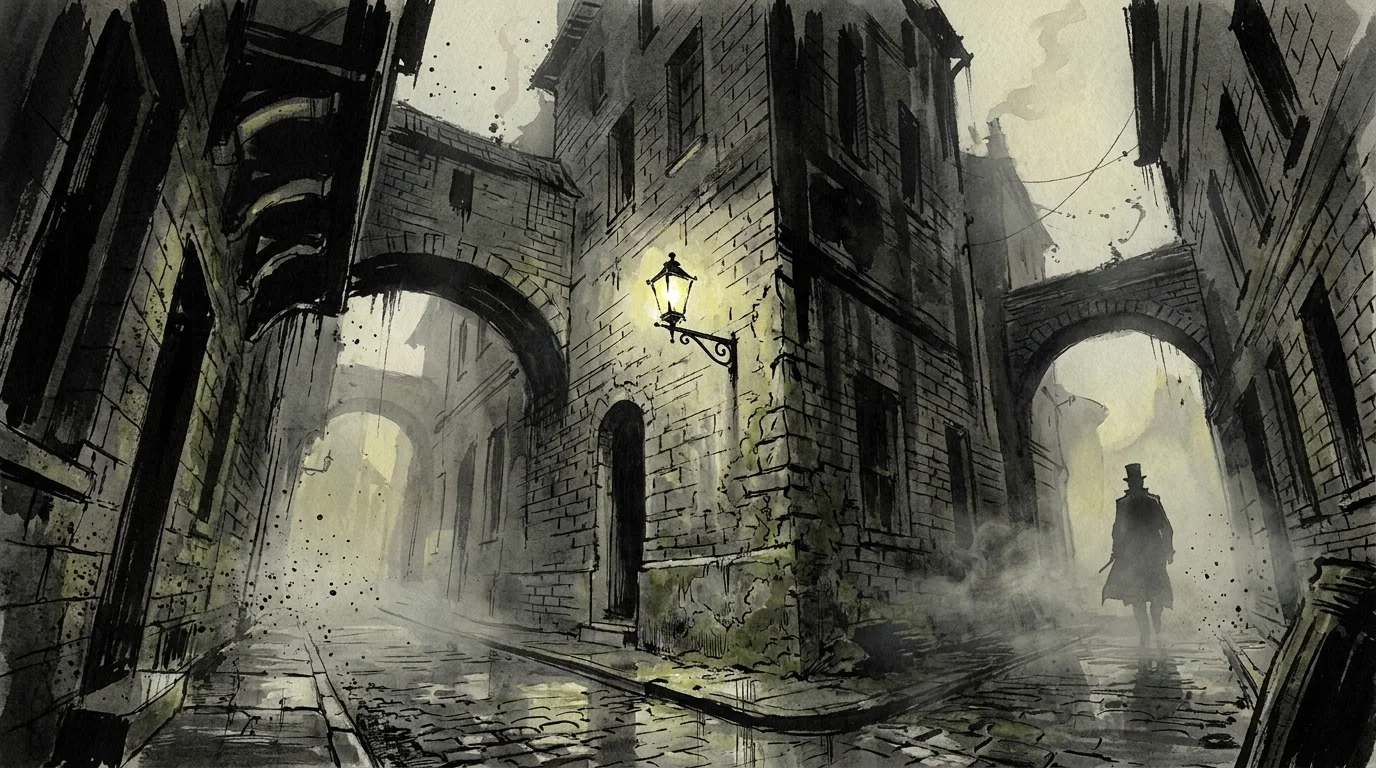
During the foggy, gas-lit autumn of 1888, a brutal serial killer stalked the impoverished cobblestone alleys of London’s Whitechapel district. Earning the moniker “Jack the Ripper” from taunting letters sent to the press, the shadowy figure murdered at least five women with surgical precision before abruptly vanishing. Despite intense investigations by Scotland Yard and thousands of armchair detectives proposing suspects ranging from butchers to British royals, the killer’s true identity remains elusive.
You can plunge into the grim atmosphere of Victorian London by embarking on a specialized evening walking tour through the East End. Knowledgeable guides lead you down narrow, brick-lined passageways like Mitre Square and Hanbury Street, dissecting historical police reports. The East End now thrives as a trendy hub for street art and incredible food, creating a fascinating juxtaposition between modern vitality and dark, unsolved history.
- Location: Whitechapel and Spitalfields, East London, England.
- Historic Stop: Enjoy a pint at The Ten Bells pub; it stands on Commercial Street and maintains strong historic ties to the era.
- Tour Advice: Select walking tours run by established historians to ensure you receive factual accounts rather than sensationalized gore.
9. The Disappearance of Amelia Earhart
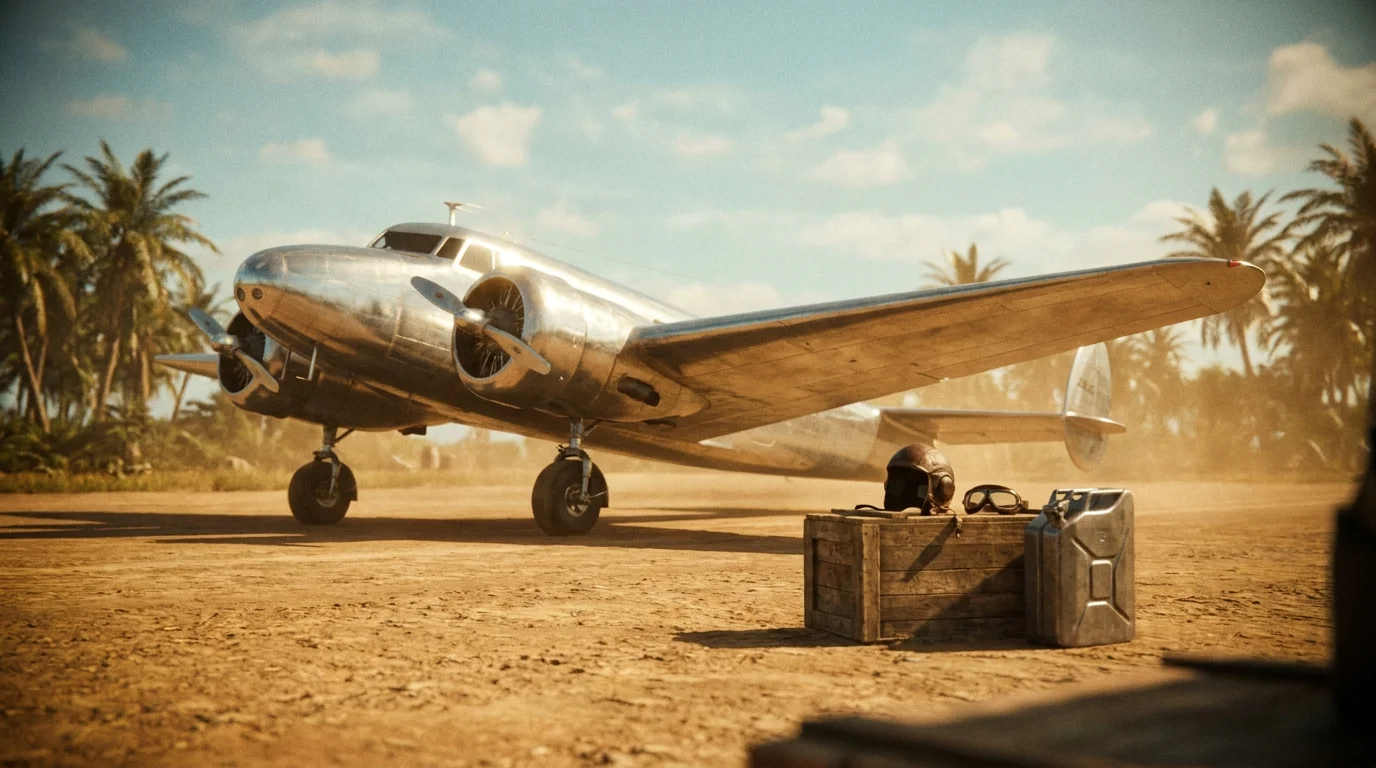
Amelia Earhart captivated the globe as a pioneering aviator, but her ambitious attempt to circumnavigate the earth in 1937 ended in a profound tragedy. Earhart and her navigator, Fred Noonan, lost radio contact over the central Pacific Ocean while searching for tiny Howland Island. The United States government launched the most expensive air and sea search in naval history at the time, uncovering no wreckage. Theories suggest she crashed into the ocean, landed on a remote atoll, or faced capture by foreign military forces.
While traversing the deep Pacific to hunt for her Lockheed Electra 10E is a monumental task, you can celebrate her legacy at the Amelia Earhart Birthplace Museum in Atchison, Kansas. Additionally, modern deep-sea exploration firms regularly release fascinating sonar imagery of potential wreckage sites, keeping the investigation intensely active. Following these contemporary expeditions reminds you that the thrill of discovery pulses strongly today.
- Location: Amelia Earhart Birthplace Museum, Atchison, Kansas, USA.
- Exhibits: The museum houses original newspaper clippings, personal artifacts, and period-accurate decor.
- Donation Impact: Purchasing tickets or books from the museum directly supports the ongoing preservation of early aviation history.
10. The Moai of Rapa Nui
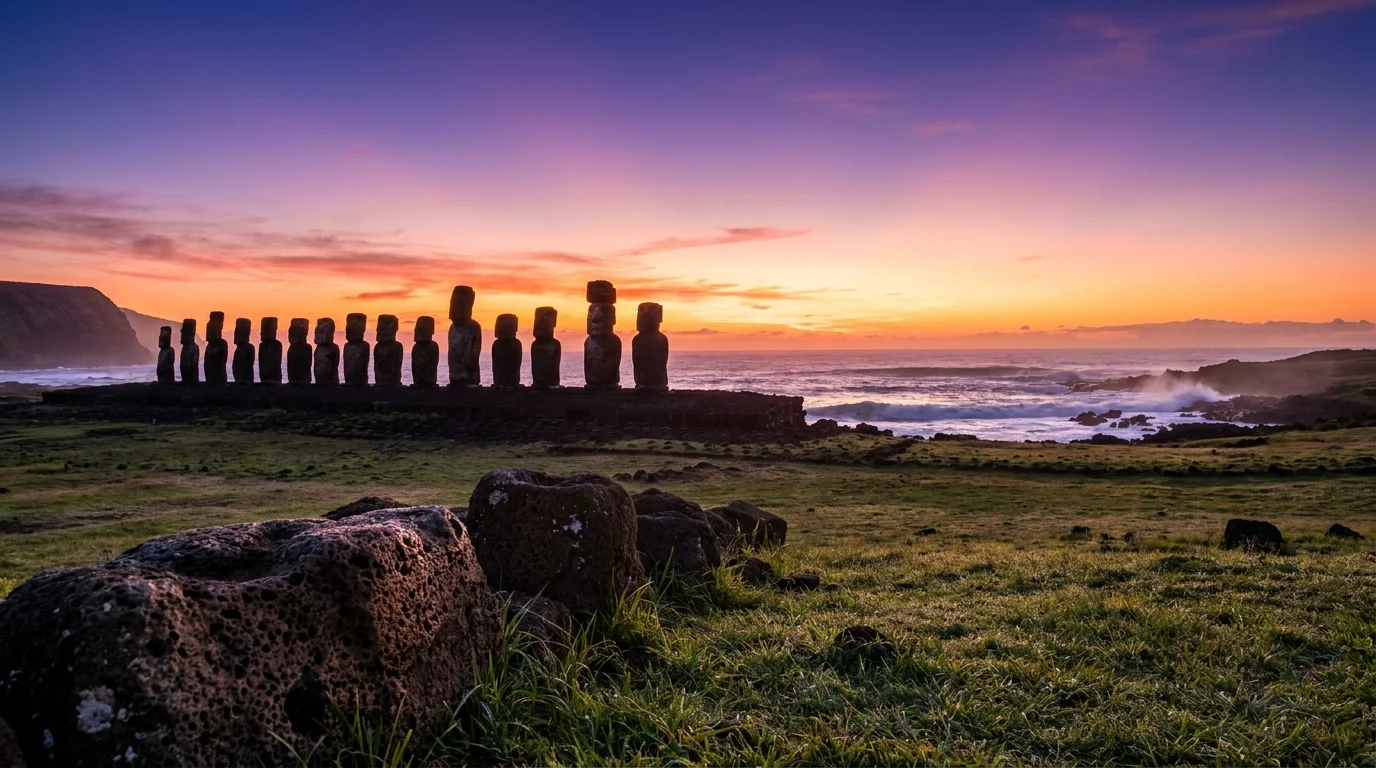
The remote volcanic island of Rapa Nui, commonly known as Easter Island, guards nearly a thousand colossal stone statues known as Moai. Carved by the Rapa Nui people between 1250 and 1500 CE, these monolithic figures feature oversized heads and stoic expressions, with some weighing up to 80 tons. Historians easily identify the Rano Raraku volcanic crater as the primary quarry, but the exact engineering methods used to transport these giants miles across rugged terrain without draft animals remain a fiercely debated topic.
Traveling to this isolated Chilean territory offers a spectacular, humbling adventure. You can hike the grassy slopes of the quarry, where hundreds of unfinished Moai remain half-buried in the earth. Local guides share ancestral legends asserting that the statues “walked” to their platforms—a claim modern archaeologists physically test and support by demonstrating how teams could rock upright statues forward using heavy ropes.
- Location: Rapa Nui National Park, Easter Island, Chile.
- Sustainable Travel: Stick strictly to marked trails and never touch the Moai; the porous volcanic rock deteriorates easily.
- Local Guide: Hire Indigenous Rapa Nui guides to hear the oral traditions that western history books often overlook.
Keep the Momentum: How to Plan Your Own Adventure
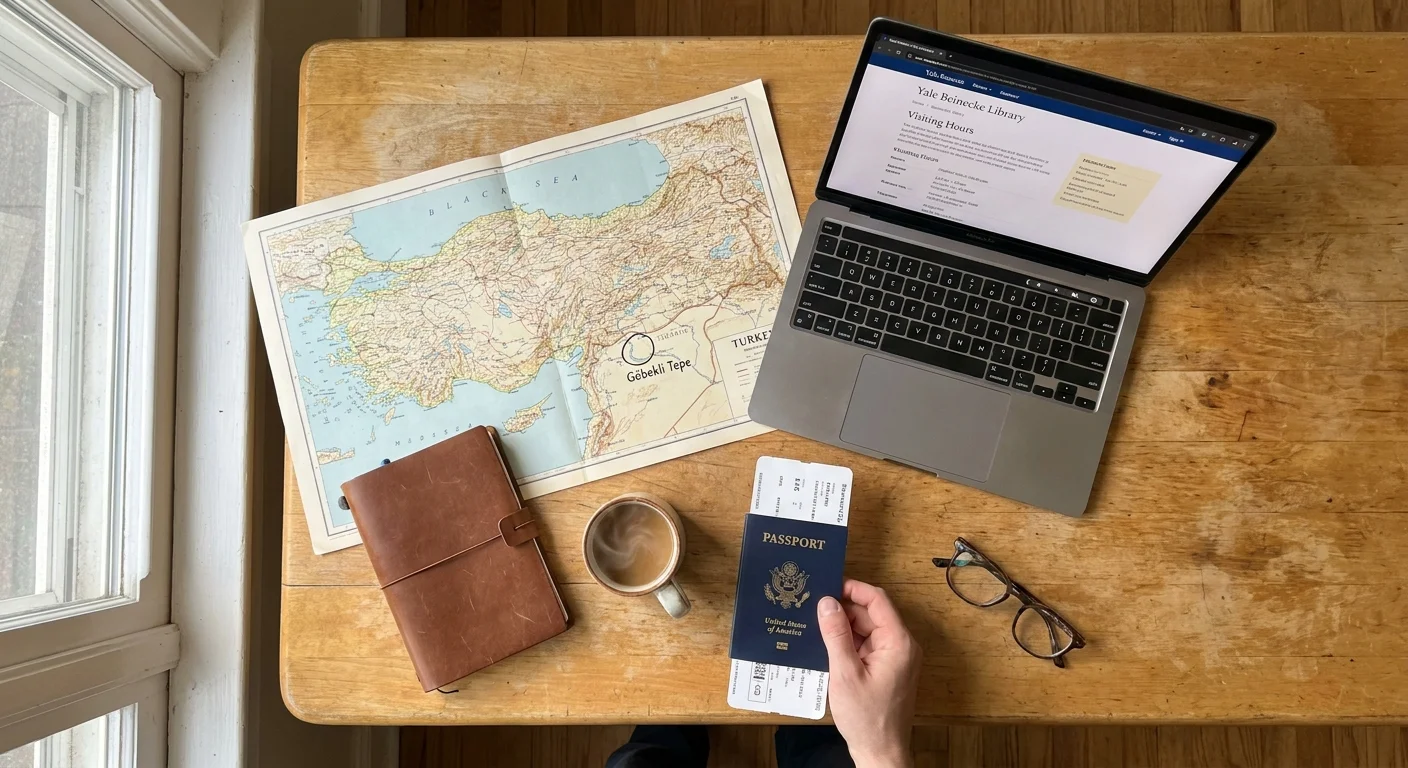
Transforming your fascination with history mysteries into an actionable travel itinerary requires careful preparation. Begin by selecting destinations that match your physical comfort levels and seasonal preferences. A summer trip to the lush Azores requires significantly less logistical heavy lifting than securing flights and specialized permits for Rapa Nui. Always map out the primary historical sites alongside local museums, archives, or universities, as these institutions frequently hold the supporting artifacts that contextualize the grander narratives.
Draft a flexible budget that accounts for expert-led excursions. Hiring a licensed historian or specialized archaeologist for a private walking tour elevates your experience from a simple sightseeing trip to an immersive educational seminar. Pack sturdy walking shoes, a high-quality field journal, and an open mind. Respect the local heritage, follow preservation guidelines to the letter, and support the regional economies by dining at locally owned restaurants near these magnificent sites.
Frequently Asked Questions
Are these historical sites safe for solo travelers?
Absolutely. Locations like London, Adelaide, and New Haven feature excellent public infrastructure and strong safety records. For remote destinations like Peru or Easter Island, booking through reputable local tour agencies provides excellent security and valuable logistical support for solo explorers.
Can I physically participate in archaeological digs?
While major sites like Göbekli Tepe restrict access strictly to credentialed professionals, many historical societies and universities offer public “dig days” or volunteer programs at adjacent locations. You can frequently join long-term conservation projects through trusted global heritage organizations.
How do I ensure my historical tourism remains ethical?
Always prioritize local voices and economies. When visiting indigenous sites or locations tied to tragic events, maintain a respectful demeanor, avoid taking inappropriate selfies, and hire guides native to the region to ensure your funds directly support the surrounding community.
Will modern technology eventually solve all these mysteries?
While ground-penetrating radar, DNA sequencing, and artificial intelligence crack cold cases every year, some secrets may remain lost forever. Environmental degradation, destroyed evidence, and the vast passage of time guarantee that a few enigmas will forever fuel human imagination.
Verify travel advisories and guidelines through the European Union travel portal. For cultural research, consult institutions like Lonely Planet and National Geographic.
Disclaimer: Information can change quickly. Confirm opening times, pricing, and safety advisories with official sources before booking or travelling.