You can stand in the exact rooms where visionaries mapped out our modern world centuries before the technology existed. Exploring the spaces where eight historical predictions came true transforms standard history facts into tangible, awe-inspiring travel experiences. From Jules Verne’s precise calculations about lunar missions drafted in France to Nikola Tesla’s foresight of smartphones echoing through the streets of Belgrade, human intuition often outpaces technological capability. Uncovering these prophecies allows you to connect deeply with the brilliant minds who saw the future. Pack your bags to trace these world-shifting historical events across Europe and beyond, turning dusty trivia into an interactive journey through the greatest mysteries of human foresight.
Highlight #1: Nikola Tesla and the Pocket-Sized Wireless World
In 1909, Nikola Tesla told the New York Times that it would soon be possible to transmit wireless messages all over the world so simply that anyone could carry and operate their own apparatus. He effectively described the modern smartphone over a century before it dominated our daily lives. You can explore the mind of this misunderstood genius at the Nikola Tesla Museum in Belgrade, Serbia. This institution houses his original patents, thousands of personal documents, and working models of his inventions.
Standing in the dimly lit rooms of the museum, you witness the sparks of his high-frequency oscillators and feel the sheer magnitude of his foresight. Engaging with these exhibits moves Tesla’s legacy from abstract trivia to a visceral encounter with technological prophecy. It is an electrifying experience that reframes how you look at the device sitting in your pocket.
- Location: Krunska 51, Belgrade, Serbia.
- Insider Tip: Book the English-speaking guided tour to see live, crackling demonstrations of the famous Tesla coil.
- Budget: Entrance is roughly 800 RSD (about $7.50 USD), making it an incredibly affordable deep dive into history.
Highlight #2: Jules Verne and the Mechanics of the Moon Landing
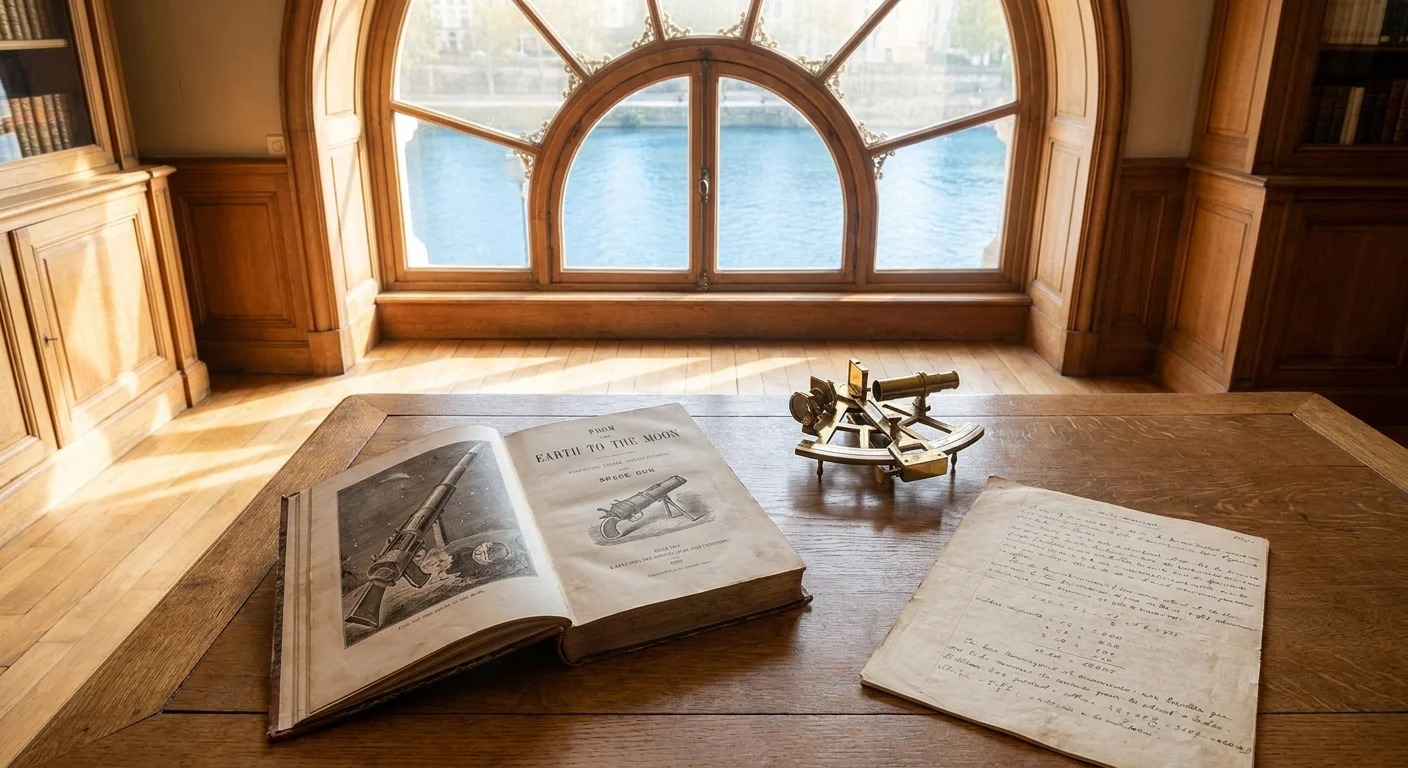
Decades before aerospace engineering became a recognized field, French novelist Jules Verne published From the Earth to the Moon in 1865. Verne predicted that a manned projectile would launch from Florida, achieve escape velocity, and splash down in the Pacific Ocean upon its return—a stunningly accurate mirror of the Apollo 11 mission. You can immerse yourself in his visionary world at the Jules Verne Museum in Nantes, France.
Situated in a sweeping late-19th-century house overlooking the Loire River, the museum displays Verne’s original manuscripts, antique navigational instruments, and beautiful first-edition books. As you examine his intricate calculations, you quickly realize he relied on rigorous physics and astronomy rather than mere fantasy. Verne transformed complex history facts into thrilling narratives that inspired actual space exploration.
- Location: 3 Rue de l’Hermitage, Nantes, France.
- Timing: Visit during the spring to enjoy clear, sunny views of the Loire River from the museum’s outdoor terrace.
- Etiquette: Photography is restricted in certain manuscript rooms; look for posted signs before snapping pictures to preserve the delicate ink.
Highlight #3: Alexis de Tocqueville and the Cold War Rivalry
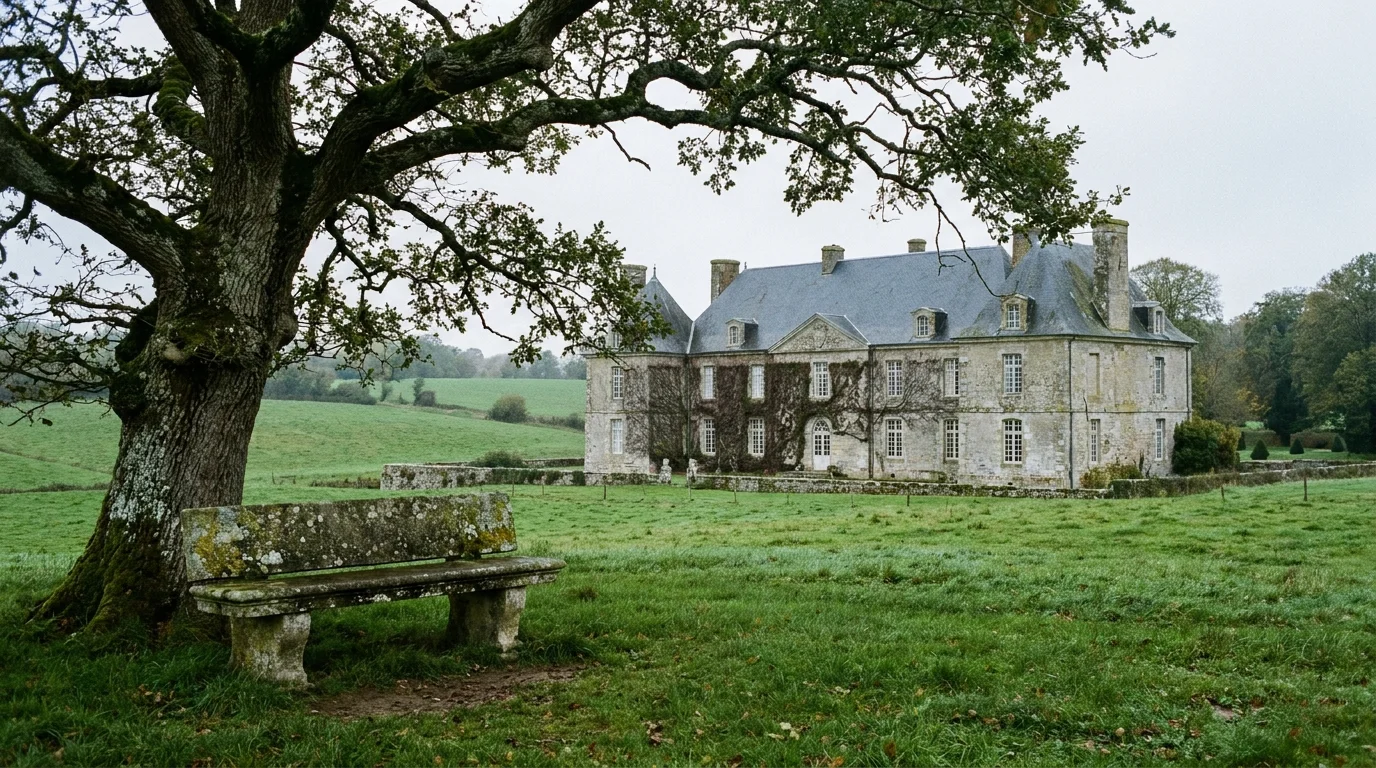
In his 1835 masterpiece Democracy in America, French diplomat Alexis de Tocqueville noted that Russia and the United States each seemed marked by Providence to eventually sway the destinies of half the globe. He identified this geopolitical divide more than a century before the Iron Curtain fell. To grasp the origins of this profound political insight, travel to the Château de Tocqueville in the quiet, rolling countryside of Normandy, France.
This private estate—still owned by the Tocqueville family—allows dedicated history enthusiasts to rent out the Pavilion and stay on the very grounds where Alexis wrote his most famous works. Strolling through the sprawling English gardens or reading in the 16th-century stone keep connects you directly to the environment that nurtured his global perspective. It is a stunning setting to reflect on vast historical events in total tranquility.
- Location: Tocqueville, Normandy, France.
- Accommodation: You can book the luxurious five-bedroom Pavilion for a secluded, historically rich vacation with family or friends.
- Nearby: The estate is just a short drive from the D-Day landing beaches, offering a profound day trip into modern history.
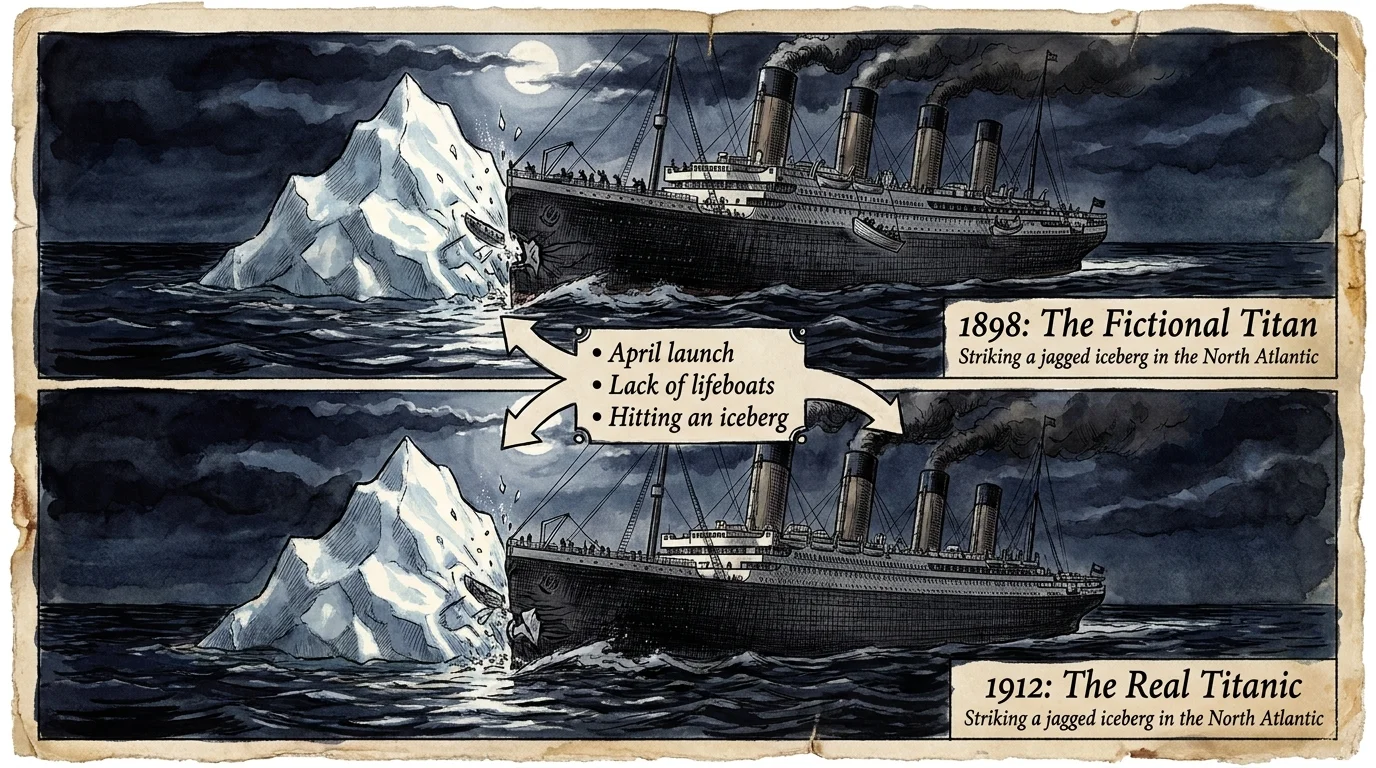
Highlight #4: Morgan Robertson and the Sinking of the Unsinkable
Fourteen years before the RMS Titanic struck an iceberg, author Morgan Robertson published a novella titled The Wreck of the Titan. Robertson’s fictional ship was touted as unsinkable, lacked enough lifeboats for its passengers, and met its doom against a North Atlantic iceberg in the month of April. The parallels are so exact they remain one of the most chilling mysteries in maritime lore. You can delve into the reality behind the fiction at Titanic Belfast in Northern Ireland.
Built exactly where the ill-fated ocean liner was designed and launched, this sprawling architectural marvel features nine interactive galleries. You walk through the clanging shipyard, explore meticulous reconstructions of the passenger cabins, and confront the tragic reality of that freezing April night. By bridging Robertson’s eerie novella with the physical artifacts of the ship, you experience a haunting overlap of literary prophecy and historical tragedy.
- Location: 1 Olympic Way, Queen’s Road, Belfast, Northern Ireland.
- Pacing: Allot at least three hours to fully experience the shipyard ride, the artifact displays, and the interactive exploration galleries.
- Booking: Secure tickets weeks in advance during the busy summer months, as this is one of Europe’s premier attractions.
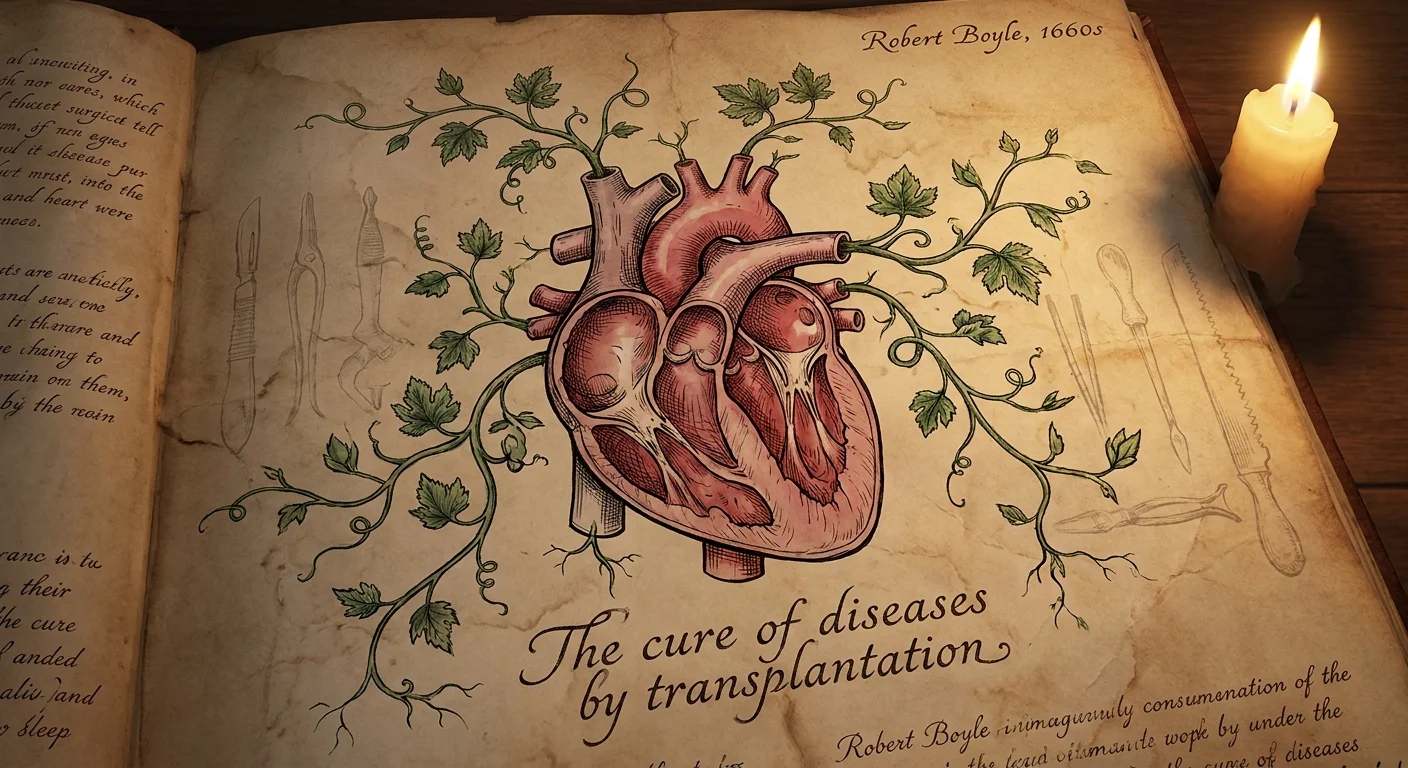
Highlight #5: Robert Boyle and the Miracle of Organ Transplants
During the 1660s, Anglo-Irish scientist Robert Boyle compiled a handwritten wish list for the future of science. Among his predictions, he included the cure of diseases at a distance and the recovery of youth via the replacement of organs—foreseeing modern organ transplantation centuries before the first successful procedure in 1954. You can trace the roots of his medical revolution at the Royal Society in London.
As a founding member of this prestigious scientific academy, Boyle helped establish the modern scientific method. While the Royal Society functions primarily as an active scientific fellowship today, it frequently hosts public exhibitions, open lectures, and historical tours featuring Boyle’s original papers. Viewing his centuries-old handwritten list reminds you that today’s everyday medical miracles once seemed like absolute magic.
- Location: 6-9 Carlton House Terrace, London, United Kingdom.
- Access: Check the official events calendar for public viewing days and specialized science history exhibitions before traveling.
- Curiosity: Look for the Summer Science Exhibition, a week-long free festival celebrating cutting-edge research alongside historical breakthroughs.
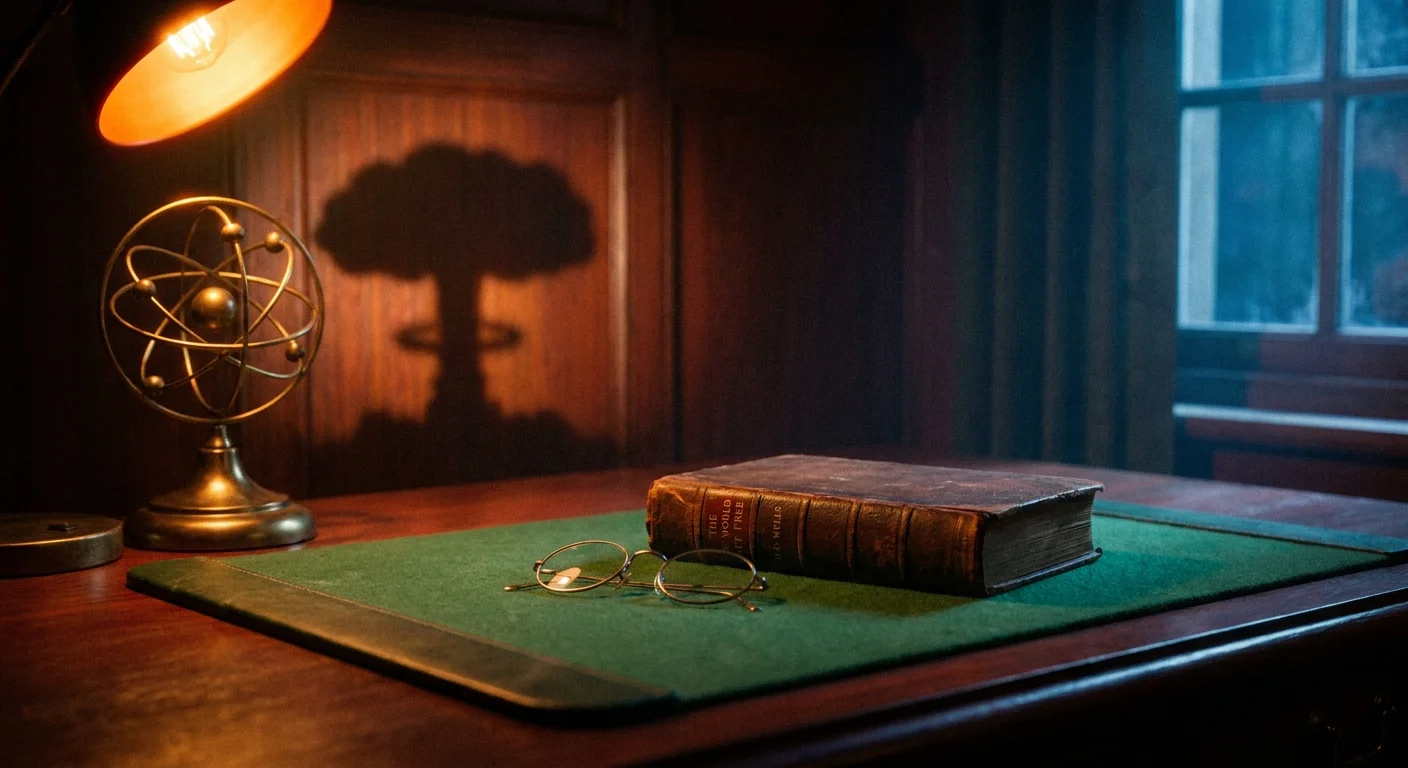
Highlight #6: H.G. Wells and the Atomic Age
In his 1914 novel The World Set Free, English author H.G. Wells coined the term “atomic bomb” and described a devastating explosive device based on continuous radioactive decay. His description directly influenced physicist Leo Szilard, who later conceptualized the nuclear chain reaction. To fully comprehend the gravity of this prediction, you should spend an afternoon at the Imperial War Museum in London.
This vast, sobering institution curates the harrowing progression of global conflict from the First World War to the present day. Inside the museum, dedicated galleries explore the rapid escalation of military technology, culminating in the terrifying realization of Wells’s atomic nightmare during World War II. Examining the casing of early nuclear weapons under the stark gallery lights forces you to reckon with the heavy responsibility of human innovation.
- Location: Lambeth Road, London, United Kingdom.
- Admission: General entry is free, though temporary blockbuster exhibitions often require a paid ticket.
- Must-See: The Peace and Security galleries on the upper floors provide vital context for the Cold War nuclear standoff.
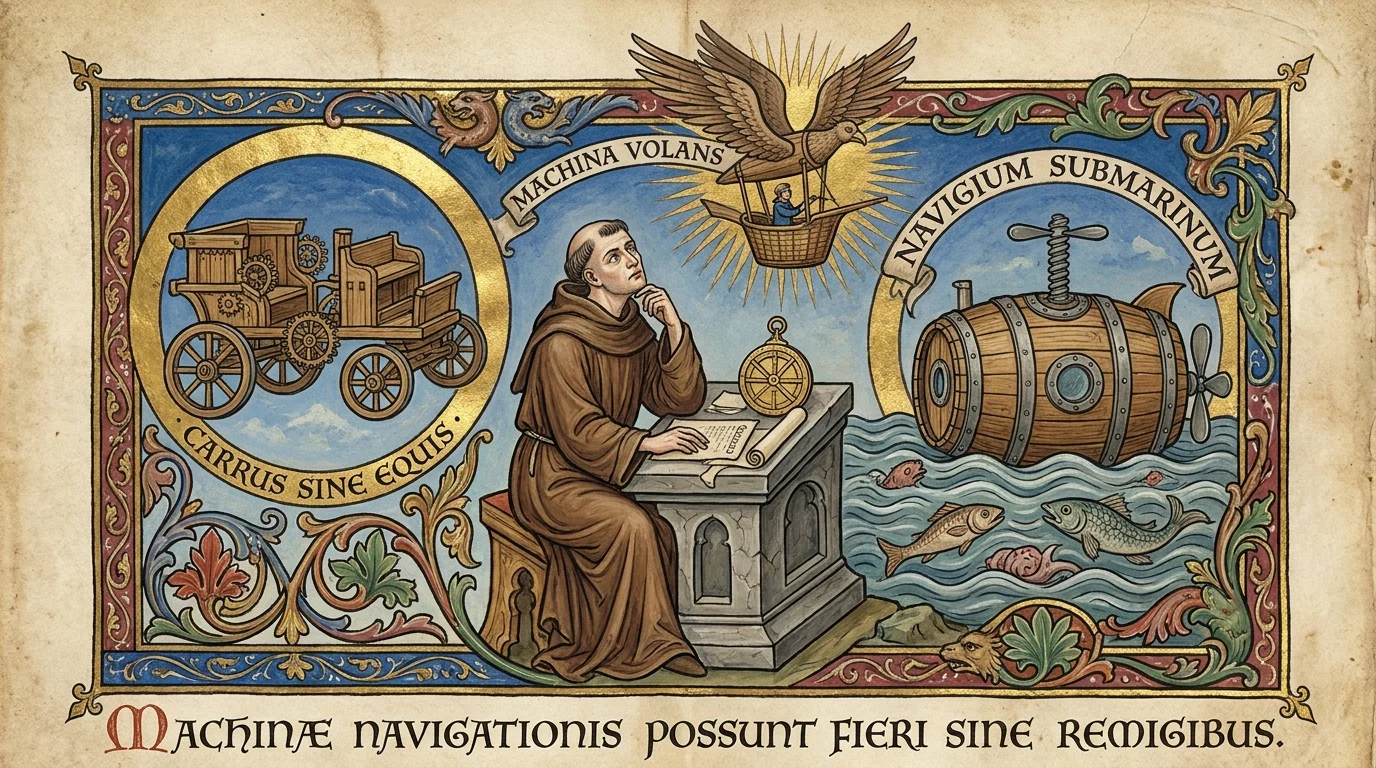
Highlight #7: Roger Bacon and the Mechanics of the Future
Writing in the 13th century, Franciscan friar and philosopher Roger Bacon asserted that ships would one day move without rowers, cars would travel without animals to pull them, and flying machines would conquer the skies. For a medieval scholar, these ideas were astonishingly radical. You can follow in his footsteps by wandering through the ancient, cobblestone streets of Oxford, where Bacon studied, taught, and theorized.
The city of Oxford is a living museum of academic rigor. You can climb the tower of the University Church of St Mary the Virgin for a panoramic view of the gothic colleges that have cultivated brilliant minds for nearly a millennium. Finding a quiet corner in one of the historic pubs where scholars debate history facts over pints of cask ale gives you a profound appreciation for the enduring power of intellectual curiosity.
- Location: Oxford University, Oxfordshire, United Kingdom.
- Landmark: Visit the Westgate area, near where the medieval Greyfriars monastery once stood, marking Bacon’s primary residence.
- Transport: Take the fast train from London Paddington; the journey takes less than an hour, making it an easy and inspiring day trip.
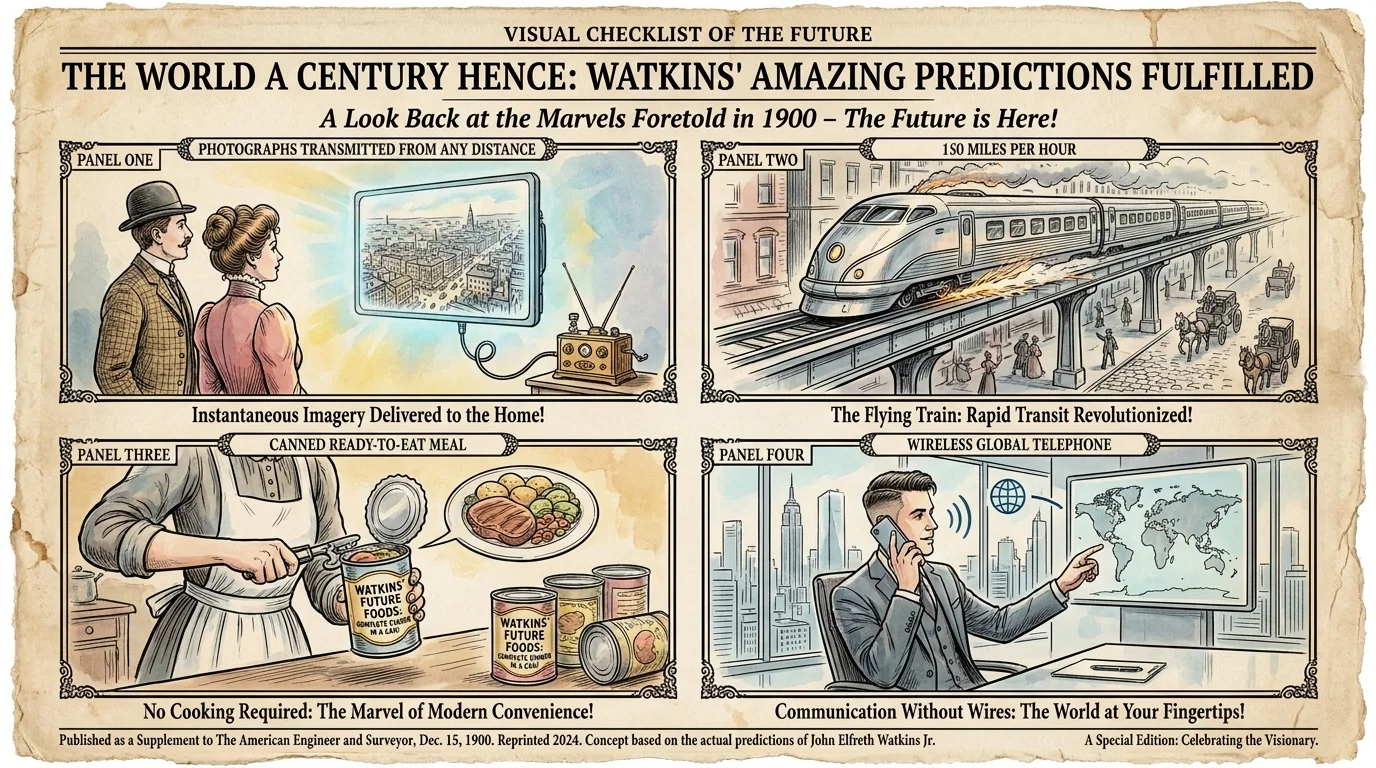
Highlight #8: John Elfreth Watkins Jr. and the High-Speed Digital Era
In the year 1900, civil engineer John Elfreth Watkins Jr. penned an article for The Ladies’ Home Journal predicting what the world would look like in 2000. He successfully forecast high-speed trains running at 150 miles per hour and digital photography that could transmit images across the globe instantly. The most thrilling way to celebrate his vision is by experiencing Europe’s magnificent high-speed rail network.
Boarding a TGV in Paris or a Frecciarossa in Rome transforms his century-old prediction into an exhilarating, practical reality. As you glide silently past rolling vineyards, alpine peaks, and ancient villages at 186 miles per hour, you experience the ultimate fusion of historic prophecy and modern engineering. It is a highly sustainable, undeniably romantic way to cross international borders while snapping digital photos to send home instantly.
- Experience: Book a premium ticket on the TGV inOui from Paris to Strasbourg to experience top-tier speed and comfort.
- Sustainable Travel: Traveling by high-speed train emits up to 90 percent less carbon than taking a short-haul European flight.
- Luggage: European trains allow you to bring generous luggage without hidden fees; just ensure you can lift your bags into the overhead racks.
Keep the Momentum: How to Plan Your Own Adventure
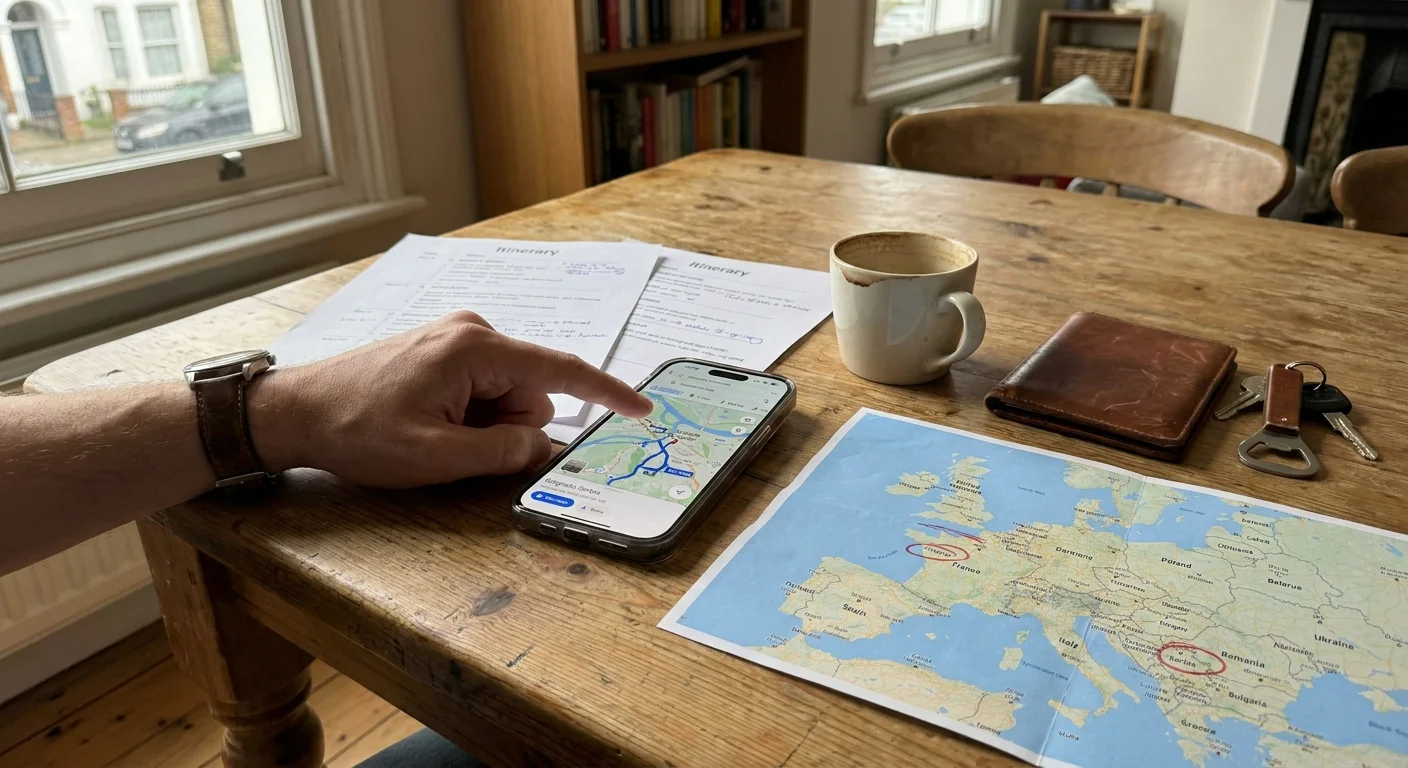
Chasing down these historical predictions across Europe requires thoughtful logistics and an appetite for discovery. When planning your itinerary, consider utilizing the continent’s extensive rail network. A Eurail or Interrail pass allows you to jump between London, Paris, and beyond with remarkable ease. This approach honors John Elfreth Watkins Jr.’s vision of high-speed transit while keeping your travel friction low.
Budgeting for a historically focused trip means prioritizing deep experiences over superficial luxuries. Many of the most profound landmarks—like the Imperial War Museum in London or the collegiate grounds of Oxford—offer free or low-cost admission. Redirect those savings toward specialized walking tours or premium museum audio guides that provide crucial context to the mysteries you are exploring. Engage with local historians, archivists, and tour guides whenever possible; their nuanced stories transform static exhibits into vibrant memories. Finally, respect the quiet reverence of these intellectual spaces, ensuring your visit preserves the integrity of these sites for future generations of curious travelers.
Frequently Asked Questions
How accurate were these historical predictions?
While some writers utilized rigorous scientific principles—like Jules Verne’s orbital mechanics—others relied on sharp geopolitical observations or pure creative intuition. The exact accuracy varies by the author, but the core concepts undeniably anticipated our modern reality.
Are all these locations open to the general public year-round?
Most major museums operate year-round, but specialized sites like the Château de Tocqueville require private bookings or have limited public access. Always verify opening days and hours on official venue websites before mapping out your daily route.
Can children enjoy touring these historical sites?
Absolutely. Places like Titanic Belfast and the Nikola Tesla Museum feature highly interactive, sensory-rich exhibits designed to captivate younger audiences. These interactive elements make complex scientific principles and history facts accessible and highly engaging.
What is the best time of year to embark on a European history tour?
The shoulder seasons of May and September offer the ideal combination of mild weather, manageable crowds, and full access to museum exhibitions. You will avoid the intense summer heat while still enjoying vibrant city life and outdoor historic walks.
Verify travel advisories and guidelines through the European Union travel portal. For cultural research, consult institutions like Lonely Planet and National Geographic.
Disclaimer: Information can change quickly. Confirm opening times, pricing, and safety advisories with official sources before booking or travelling.