You can still witness humanity’s most enduring rituals if you know exactly where to look. Stepping into the modern era does not mean we must leave our ancient history behind, as countless communities actively preserve their heritage through living, breathing culture. From the mist-draped mountains of Peru to the freezing coastal waters of Japan, these traditions offer far more than simple history facts; they provide a visceral connection to the ancestors who shaped our early societies. Experiencing these vibrant practices gives you an unparalleled window into the ingenuity, spirituality, and resilience of early civilizations. Pack your bags and prepare to explore eight extraordinary rituals that bridge the gap between millennia, proving that true cultural roots never actually fade.
Highlight #1: The Ama Divers of Ago Bay, Japan
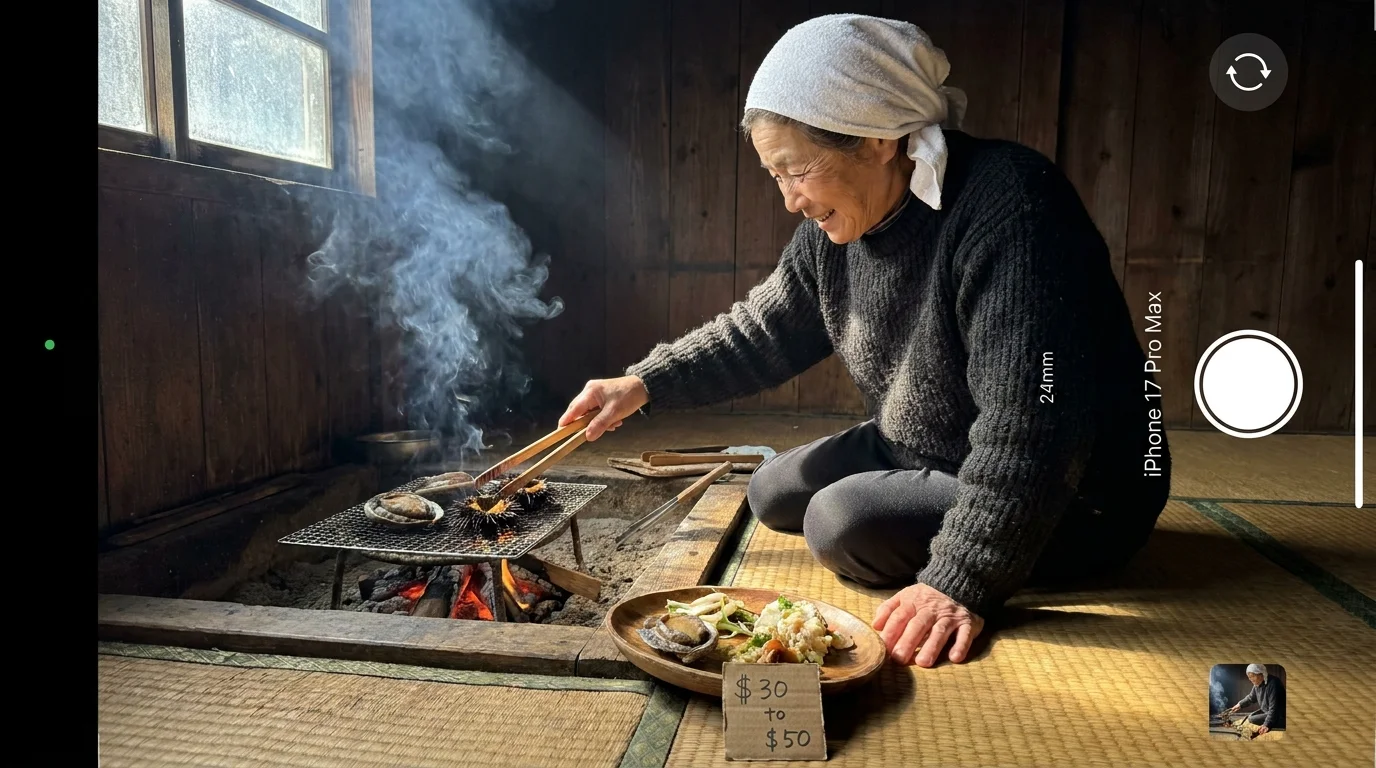
For over 3,000 years, the female Ama divers of Japan have plunged into the freezing coastal waters of the Pacific Ocean without the aid of modern oxygen tanks. Operating primarily around the rocky shores of Ago Bay, these remarkable women harvest abalone, sea urchins, and pearls using precise breath-holding techniques passed down through countless generations. Many active divers today are in their sixties; they continue to lead their community and train young apprentices to safely reach depths of 30 feet.
The practice remains deeply tied to ancient Shinto beliefs, blending extreme physical endurance with profound ecological respect. Because climate change and commercial fishing heavily threaten the local marine ecosystem, supporting the Ama directly helps preserve a fragile way of life. You can visit authentic Ama huts—known as Amagoya—where the divers gather around a fire to warm up and grill their fresh catch. Chatting with them offers a rare, intimate look at an ancient maritime sisterhood.
- Location: Ago Bay, Mie Prefecture, Japan.
- Best Time to Visit: May through September when the diving season peaks.
- Expected Budget: $30 to $50 for a traditional seafood lunch inside an Amagoya hut.
- Insider Tip: Book your visit through the Osatsu-kamado cooperative to ensure your money directly supports the diving community.
Highlight #2: The Kukeri Surva Festival, Bulgaria
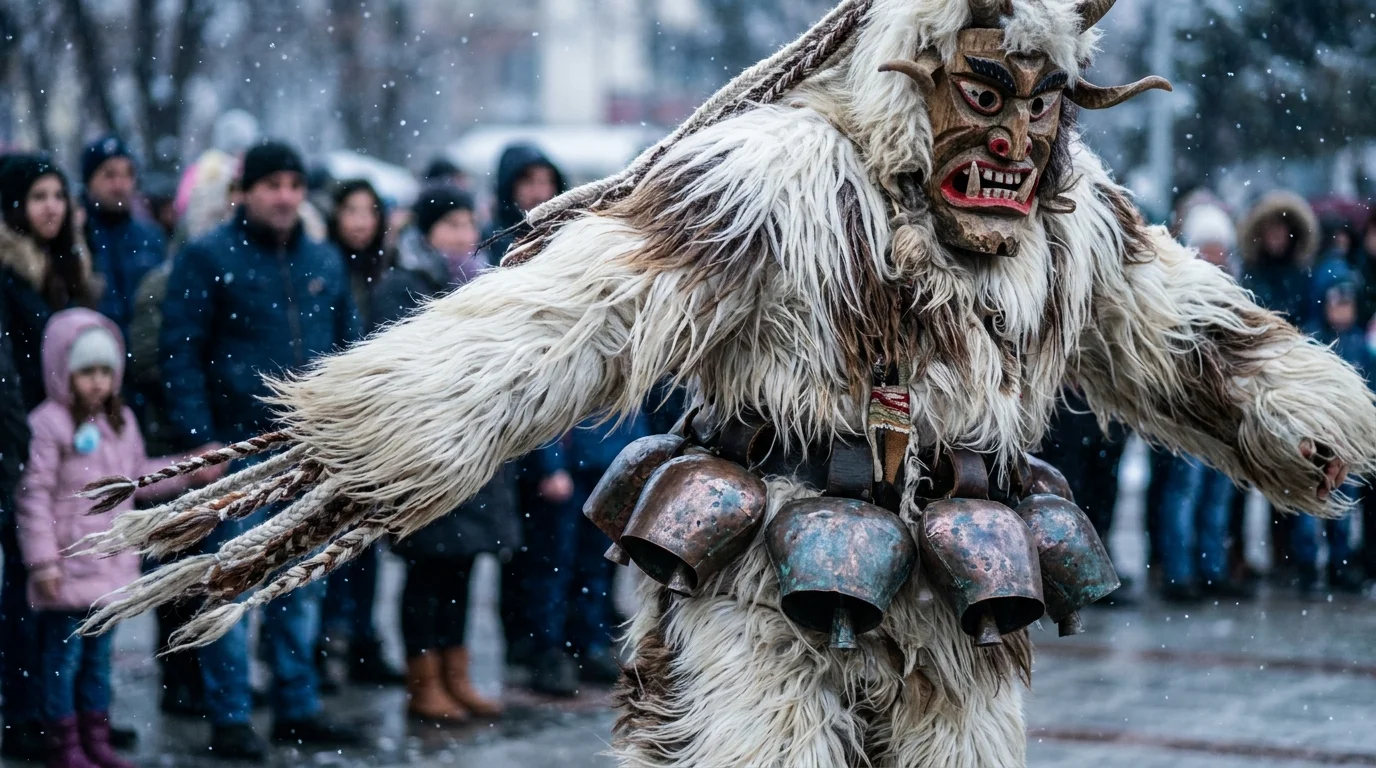
Every winter, the villages of western Bulgaria erupt into a cacophony of ringing bells and monstrous masks during the Kukeri Surva Festival. Rooted in Thracian pagan rituals dating back roughly 4,000 years, this striking tradition aims to chase away evil spirits and ensure a bountiful spring harvest. Local men and women don elaborate costumes made from thick goat pelts, wooden masks carved with terrifying visages, and enormous copper bells strapped heavily around their waists.
The rhythmic dancing creates a hypnotic, trance-like atmosphere; performers must possess immense physical stamina to carry costumes weighing up to 100 pounds. As you walk through the crowded squares, the primal energy of the dancers instantly transports you to a time long before recorded history. Local families spend entire months meticulously crafting their outfits, treating the festival as a sacred cultural duty rather than a mere tourist attraction.
- Location: Pernik, Bulgaria, located just 30 miles from the capital city of Sofia.
- Best Time to Visit: The main festival generally occurs over the last weekend of January.
- Expected Budget: Festival access is free; expect to pay $40 to $60 per night for a local guesthouse.
- Insider Tip: Arrive early in the morning to secure a good viewing spot before the massive parades completely block the main streets.
Highlight #3: The Q’eswachaka Rope Bridge, Peru
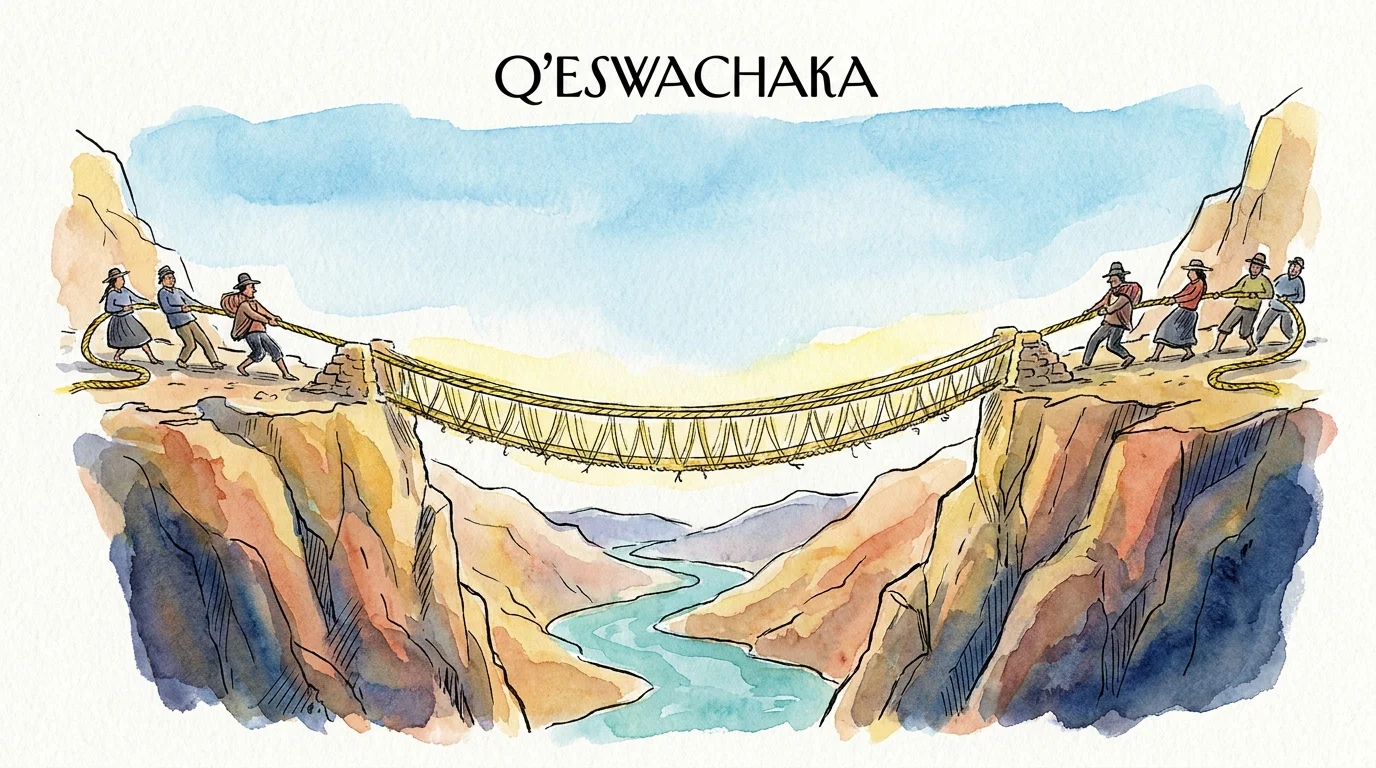
High in the Andes Mountains, the indigenous communities of the Canas Province execute an engineering marvel that has survived untouched since the peak of the Inca Empire. Every June, four local communities gather to tear down and completely rebuild the Q’eswachaka Bridge, a stunning suspension structure made entirely from hand-woven ichu grass. Spanning the deep gorge of the Apurímac River, it proudly remains the last authentic Incan rope bridge in the world.
Victoriano Arizapana, the lead traditional engineer known as a Chakaruwaq, directs the highly coordinated, three-day rebuilding effort. You can watch as men bravely braid massive grass cables over the canyon while women rapidly prepare the raw materials, perfectly blending communal labor with spiritual offerings to the Pachamama (Mother Earth). The event inevitably culminates in a vibrant festival filled with traditional music. Walking across the newly finished bridge gives you a thrilling appreciation for collaborative human achievement.
- Location: Apurímac River gorge, Canas Province, roughly four hours driving from Cusco.
- Best Time to Visit: The rebuilding ceremony strictly takes place during the second week of June.
- Expected Budget: $100 to $150 for a guided full-day excursion from Cusco, covering transportation and meals.
- Insider Tip: Altitude sickness can impact your trip; always acclimate in Cusco for at least two days before heading out to the remote bridge.
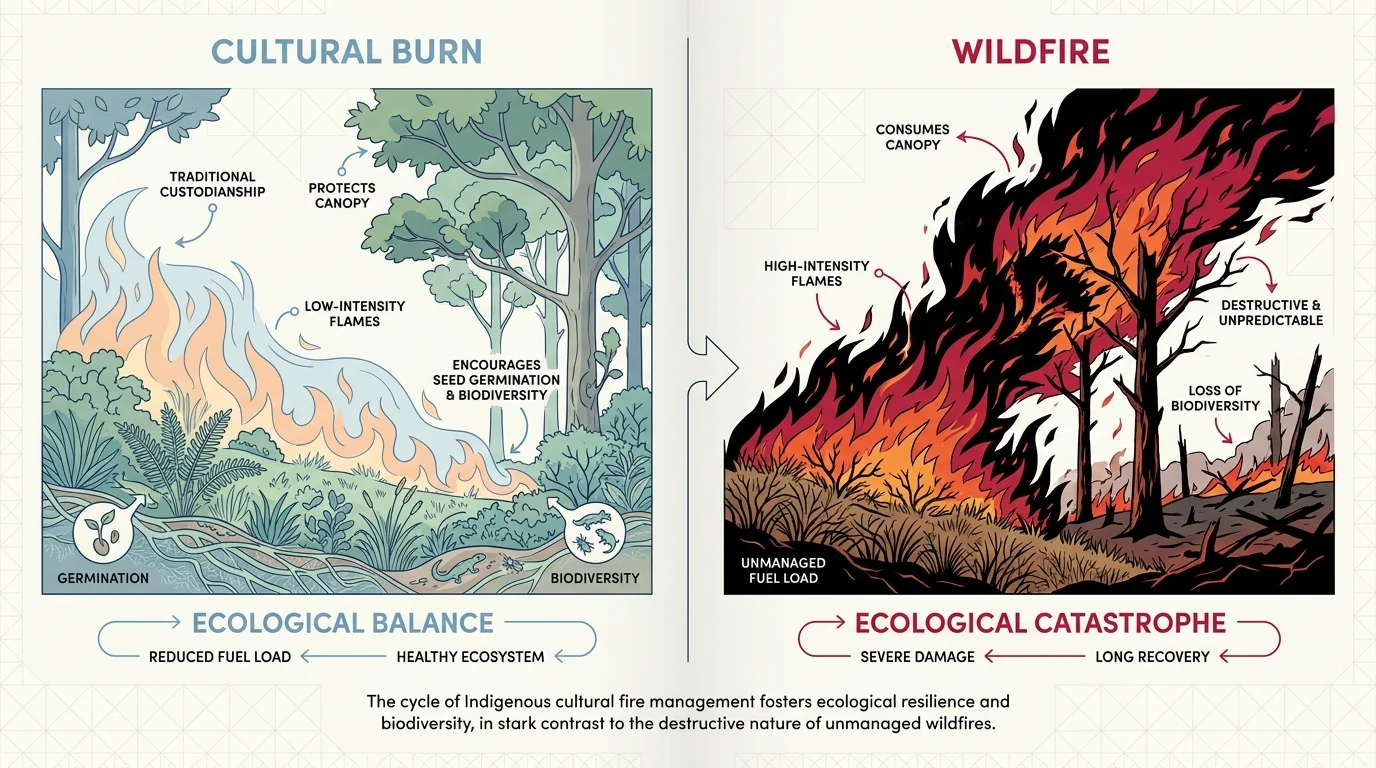
Highlight #4: Cultural Fire Management, Australia
Long before modern civilization developed formal firefighting forces, the Indigenous peoples of Australia perfected the brilliant art of cultural fire management. Often referred to as “fire farming,” this critical practice stretches back tens of thousands of years. Aboriginal elders actively lead deliberate, low-intensity burns to clear dry underbrush, protect vital canopy trees, and stimulate the rapid growth of native plants that sustain local wildlife.
Victor Steffensen, a prominent Indigenous fire practitioner, highlights how these cool burns drastically reduce the imminent risk of catastrophic summer wildfires. This profound environmental knowledge strongly emphasizes working alongside nature rather than constantly fighting against it. Today, you can join specialized eco-tours in Northern Australia to observe these ancient land management techniques and see exactly how Indigenous heritage actively heals the contemporary ecosystem.
- Location: Arnhem Land and the Kimberley region, Northern Australia.
- Best Time to Visit: The early dry season, from May to July, when the cool burns safely occur.
- Expected Budget: Guided multi-day eco-tours range from $1,500 to $2,500 depending on the remote outfitter.
- Insider Tip: Seek out specialized tours operated by local Indigenous land councils to guarantee your presence fully respects the community.
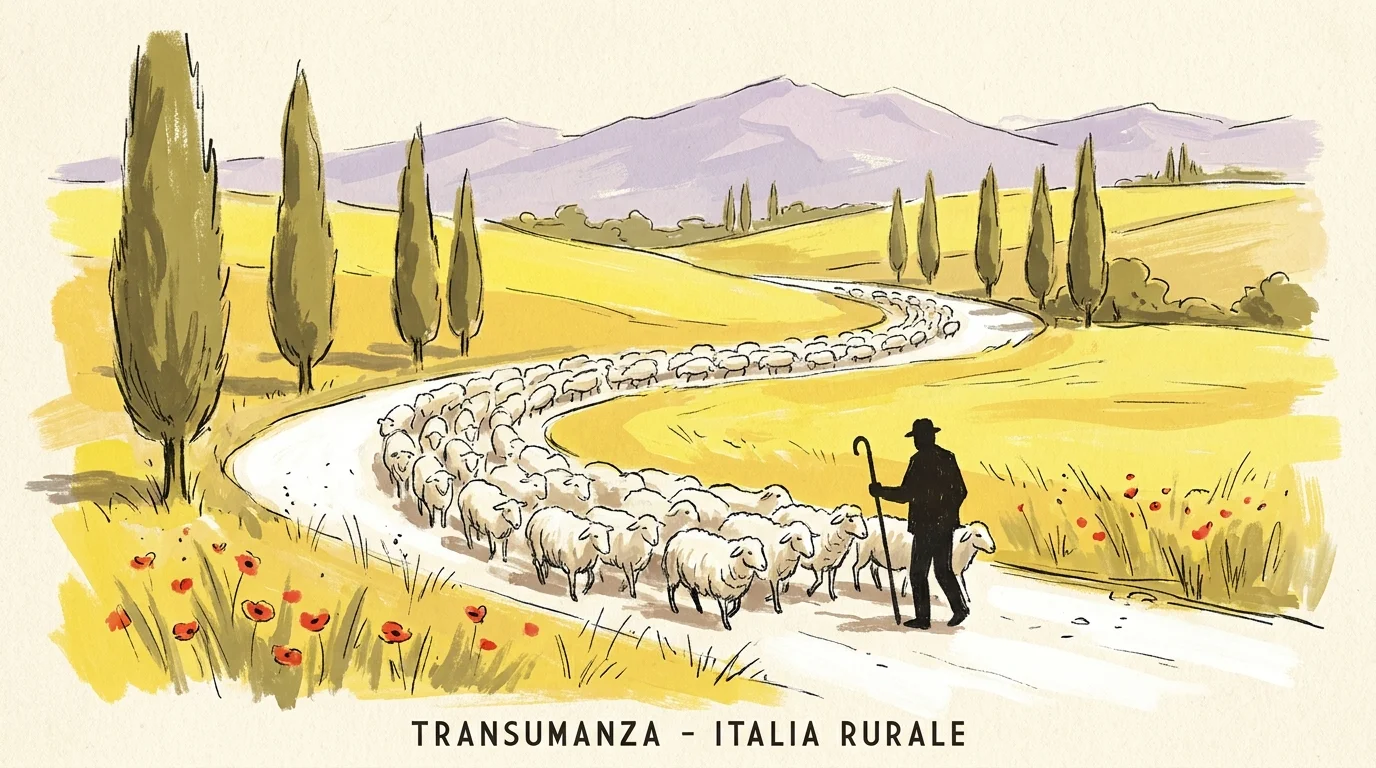
Highlight #5: La Transumanza, Italy
The epic pastoral migration known as La Transumanza has tightly dictated the rhythm of rural Italian life for millennia. Twice a year, dedicated shepherds drive massive flocks of sheep and cattle across hundreds of miles of public trails, moving down from the freezing Apennine Mountains to the warmer plains of Puglia. This vital pre-Roman tradition heavily shaped the regional economy, cuisine, and enduring culture of southern Italy.
Renowned local breeders, such as the Colantuono family, still lead these arduous journeys on horseback. Agricultural historians emphasize that this natural, slow grazing method prevents devastating soil erosion, greatly enhances biodiversity, and directly produces some of the absolute finest regional cheeses in Europe. Following the moving flocks allows you to experience the Italian countryside at a walking pace while sharing unforgettable communal meals.
- Location: The primary ancient route connects Abruzzo, Molise, and Puglia in southern Italy.
- Best Time to Visit: Late May for the upward mountain migration, or late September for the descent.
- Expected Budget: Around $300 to $500 for a three-day guided trek, including rustic accommodations and hearty farm meals.
- Insider Tip: Pack high-quality, broken-in hiking boots; you will easily cover up to 15 miles a day over wildly uneven terrain.
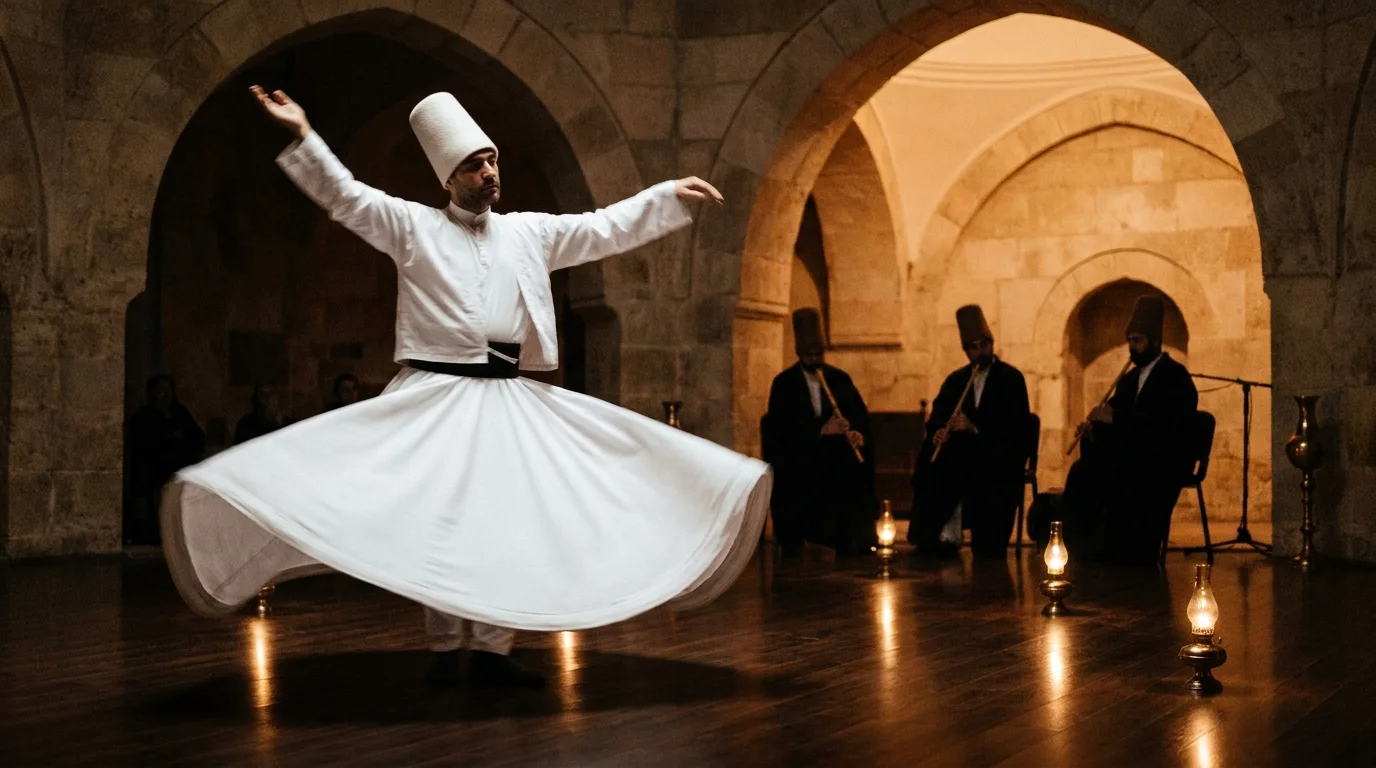
Highlight #6: The Sema Ceremony, Turkey
Originating in the 13th century under the masterful guidance of the mystical poet Jalaluddin Rumi, the Sema ceremony confidently remains one of the most hypnotic spiritual practices in the world. The Whirling Dervishes of the Mevlevi Order perform this intricate, highly demanding dance to achieve a pure state of religious ecstasy and universal love. Located primarily in the central Anatolian city of Konya, the ritual involves a highly formalized progression of chanting and continuous spinning motion.
The graceful dancers wear tall felt hats representing the tombstone of the ego, and voluminous white skirts signifying its shroud. As you watch the Dervishes spin endlessly with their right arms extended toward the sky and their left arms pointed toward the earth, you witness a profound visual meditation. Attending a true Sema offers a deeply transformative moment of peace amid an otherwise chaotic world.
- Location: The Mevlana Cultural Center in Konya, Turkey.
- Best Time to Visit: December, during the Seb-i Arus festival, which honors Rumi’s historic passing.
- Expected Budget: Tickets for the official authentic ceremony cost roughly $15 to $25.
- Insider Tip: Refrain entirely from clapping or taking flash photography; the sacred ritual demands absolute silence and reverence.

Highlight #7: The Naadam Games, Mongolia
The vast, sweeping steppes of Mongolia host an annual display of raw strength, skill, and endurance that proudly dates back to the Bronze Age. The Naadam Festival fiercely centers on wrestling, horse racing, and archery. Genghis Khan formalized these rugged competitions in the 13th century to keep his legendary warriors fit during times of peace, and today, they represent the ultimate living celebration of Mongolian culture.
You will find the largest, most spectacular iteration of the festival in the capital city of Ulaanbaatar, though smaller rural Naadams often offer a much more intimate experience. The horse races frequently cover up to 18 miles of open terrain, with child jockeys as young as seven commanding the racing mounts. Beyond the breathtaking sporting events, the festival grounds explode with vibrant food stalls and mesmerizing traditional throat singing.
- Location: Ulaanbaatar, Mongolia, with smaller local events scattered across the entire countryside.
- Best Time to Visit: July 11th through the 13th, strictly aligning with the national holiday.
- Expected Budget: $500 to $800 for a curated multi-day tour package covering stadium tickets, local transit, and rich meals.
- Insider Tip: Ditch the crowded capital after the opening ceremony and drive out to a rural province to watch the games up close with local herding families.
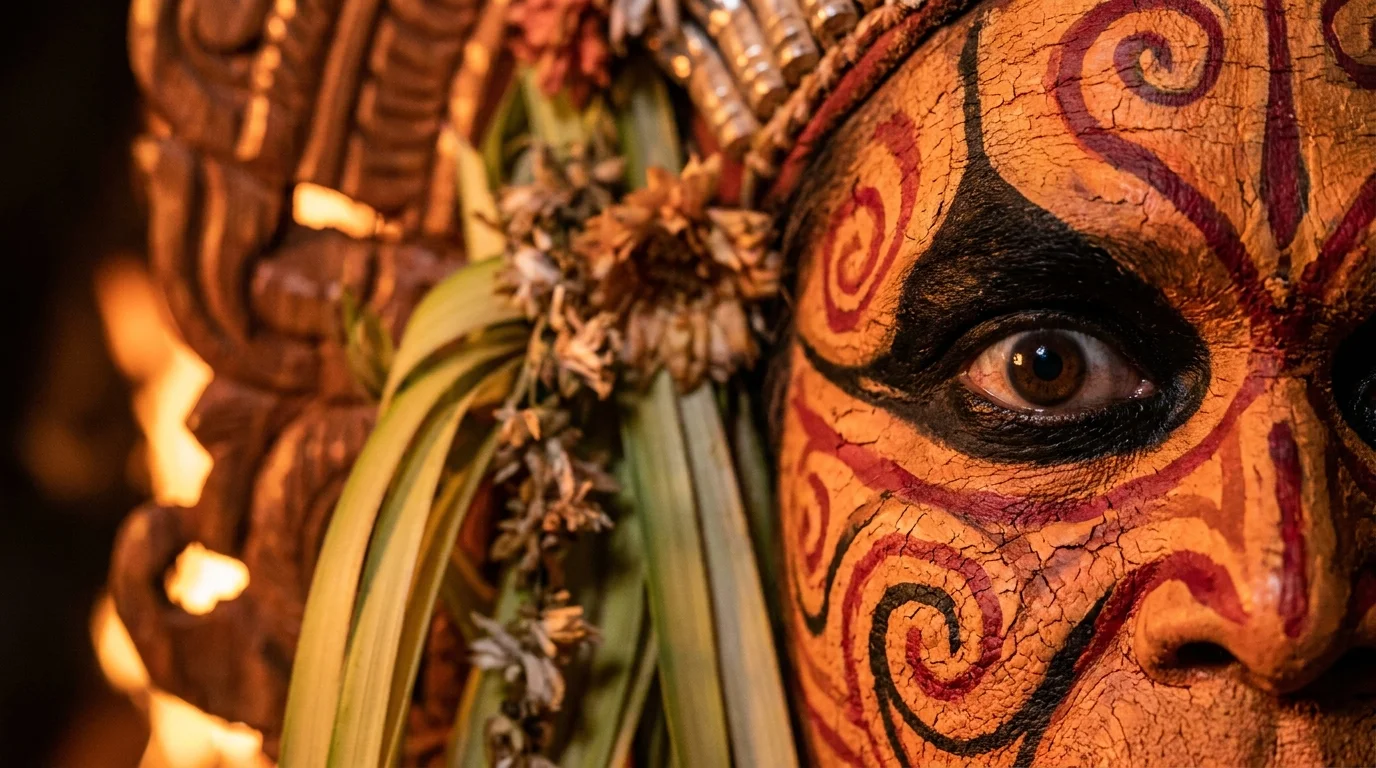
Highlight #8: The Theyyam Rituals, India
In the northern districts of Kerala, India, an extraordinary spiritual tradition flawlessly blends dynamic theater, religion, and ancient tribal history. Theyyam encompasses well over 400 different ritualistic dances designed to vividly invoke the region’s protective deities. Dating back thousands of years, the intense practice largely predates orthodox Hinduism and strongly centers on marginalized communities who briefly become living gods through rigorous performance.
Accompanied by the frantic, deafening beat of chenda drums, performers often leap fearlessly through fire, deliver booming prophecies, and bless the tightly gathered crowds. The raw, untamed energy of the ritual actively forces modern onlookers to confront the divine in a highly visceral way. Catching a Theyyam performance late at night gives you a profound, unforgettable glimpse into India’s deeply spiritual heart.
- Location: Kannur and Kasaragod districts, Kerala, India.
- Best Time to Visit: Late October through May, strategically avoiding the heavy monsoon season.
- Expected Budget: Attendance is free, but expect to easily spend $50 to $70 a night for comfortable nearby accommodations.
- Insider Tip: Check the local Kerala tourism calendar for specific shrine schedules, as the ritual dates change annually according to the Malayalam lunar calendar.

Keep the Momentum: How to Plan Your Own Adventure
Transforming your initial spark of wanderlust into a tangible reality requires thoughtful preparation and a sincere commitment to cultural respect. Because ancient traditions thrive on deep community involvement, your personal travel choices directly impact the long-term survival of these practices. Align your travel timeline strictly with local lunar calendars or seasonal harvest cycles, as many of these vibrant events bypass standard Gregorian schedules entirely.
Prioritize hiring local guides and booking with community-owned cooperatives over massive international tour operators. Channeling your budget directly into the local economy ultimately ensures that the working families preserving these vital history facts receive the financial support they truly deserve.
Educate yourself thoroughly on regional etiquette before arriving. Learn exactly when to take photographs, how to dress modestly for spiritual ceremonies, and the polite way to accept local hospitality. Navigating these cultural nuances carefully transforms you from a passive tourist into an appreciated, welcome guest.
Frequently Asked Questions
Are these ancient traditions safe for tourists to attend? Yes, attending these incredible events generally poses very few risks if you exercise basic common sense and closely follow the direct guidance of local experts. High-energy activities like the Kukeri parades or the Theyyam fire dances involve dense crowds and extremely loud noises; simply maintain a respectful distance to let the specialized performers safely execute their intricate routines.
How do I ensure I am not commodifying the culture? You easily avoid cultural commodification by investing your time in genuinely learning the rich history behind the spectacle. Hire local storytellers, strictly respect private boundaries, and completely refrain from treating sacred spaces like cheap social media backdrops. Always prioritize authenticity and politely ask permission before photographing individuals.
Will climate change impact the future of these practices? Absolutely. Unpredictable environmental shifts already threaten ancient traditions closely tied to the earth, such as the Ama pearl divers and Australian fire farming. By heavily supporting eco-conscious tourism and raising global awareness, you directly contribute to the resilience and critical adaptation of these vulnerable heritage communities.
Verify travel advisories and guidelines through the European Union travel portal. For cultural research, consult institutions like Lonely Planet and National Geographic.
Disclaimer: Information can change quickly. Confirm opening times, pricing, and safety advisories with official sources before booking or travelling.