Uncovering long-lost relics reshapes your understanding of human ingenuity, offering a tangible connection to creators who vanished long ago. You do not need an archaeology degree to appreciate the thrill of history mysteries that sat quietly in attics, bank vaults, or the ocean floor while the modern world spun on. From royal treasures purchased at modest flea markets to stolen masterpieces stashed behind false walls, historical artifacts hidden for decades provide profound insight into our shared past. Tracking down these hidden treasures transforms an ordinary vacation into a gripping expedition. Pack your bags and explore these phenomenal discoveries, where every recovered object invites you to witness the extraordinary resilience of our global heritage.
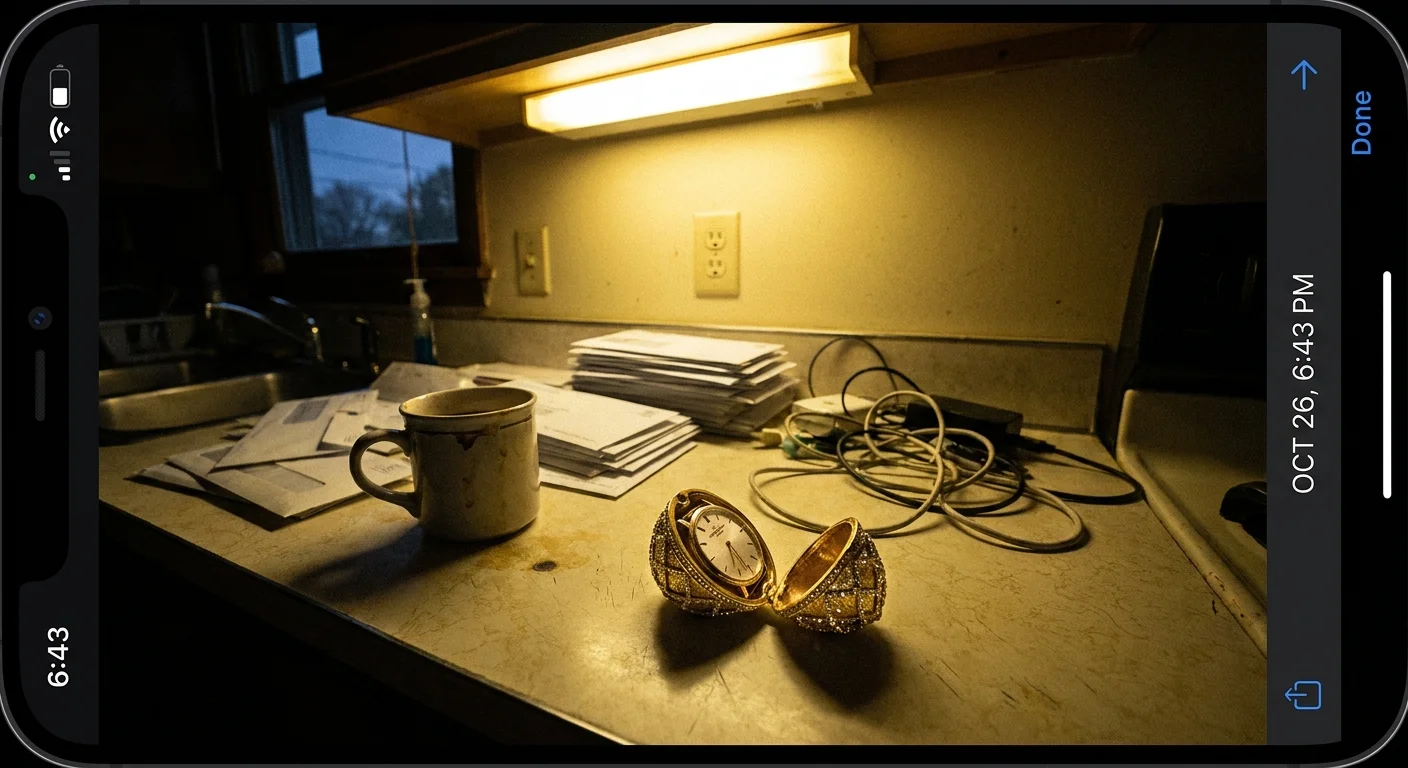
Highlight #1: The Third Imperial Fabergé Egg
In 2012, an American scrap-metal dealer bought a golden, gem-encrusted egg at a Midwestern flea market for $14,000. He intended to melt the piece down for a quick profit, yet potential buyers complained he overestimated the gold content. The artifact sat in his kitchen for years while he remained unaware of its royal pedigree. Searching the internet for the name engraved on the internal timepiece—”Vacheron Constantin”—he stumbled across an article detailing a frantic hunt for a missing Romanov masterpiece.
Experts confirmed he possessed the long-lost Third Imperial Fabergé Egg, a spectacular gift Tsar Alexander III presented to his wife in 1887. Seized during the Russian Revolution, the relic vanished from public records in 1922 and spent decades bouncing between obscure auctions. A private collector purchased the egg for an estimated $33 million, capping off a phenomenally lucrative accidental discovery.
- Location: Held in a private collection; you can view similar pieces at London’s Victoria and Albert Museum.
- Valuation: Assessed at roughly $33 million.
- Insider Tip: Monitor decorative arts museums for temporary exhibitions featuring private Fabergé loans.
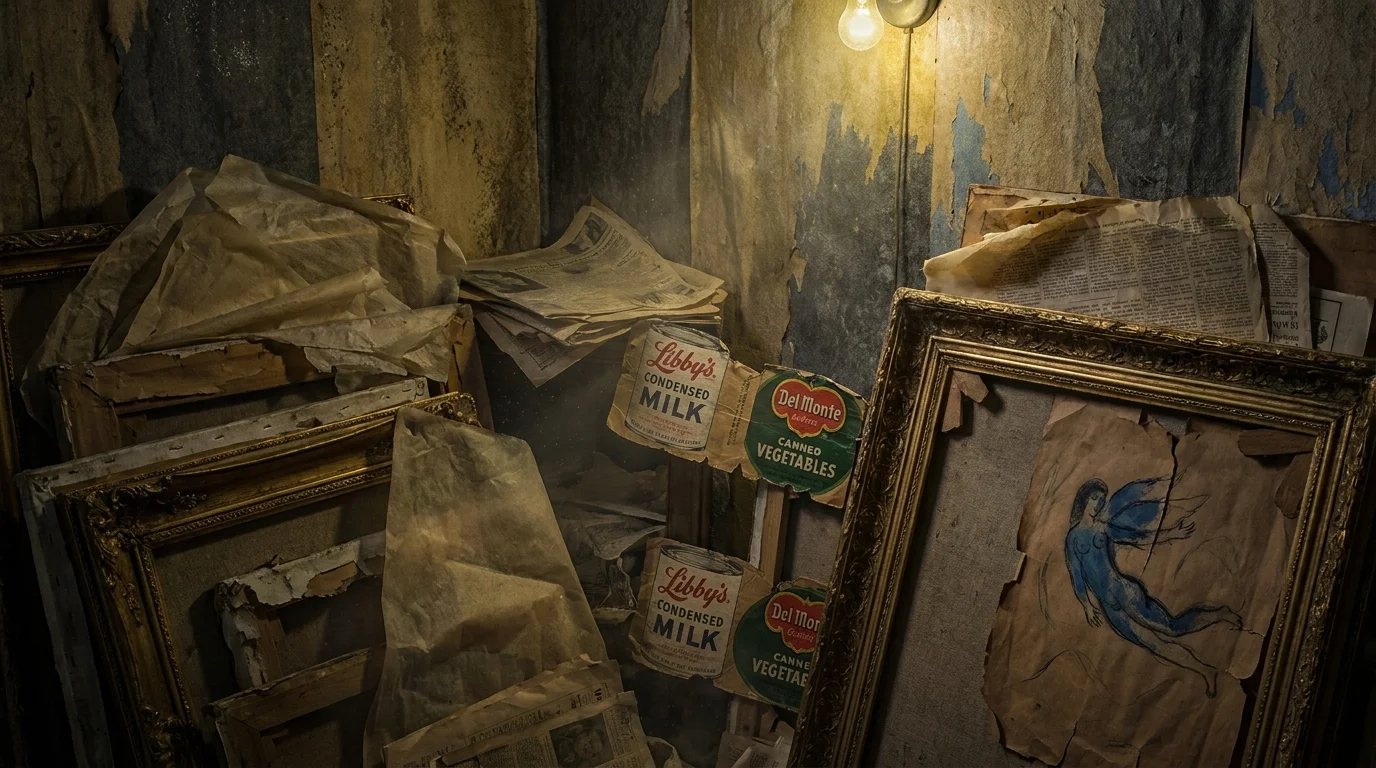
Highlight #2: The Gurlitt Art Trove
Customs officials conducting a tax check on a train from Switzerland to Munich in 2010 unknowingly cracked open a massive art mystery. Their investigation led to the dusty apartment of Cornelius Gurlitt. Hidden behind stacks of expired canned food lay a staggering collection of over 1,500 artworks. Gurlitt inherited the collection from his father, a dealer who acquired art confiscated during the Nazi era.
For decades, Gurlitt lived as a recluse, occasionally selling a single painting to fund his lifestyle. The trove included undocumented masterworks by Marc Chagall, Pablo Picasso, and Henri Matisse. This staggering revelation forced the global art community to confront the lingering legacy of wartime looting. Provenance researchers continue to trace the original owners of these stolen masterpieces to return them to their rightful heirs.
- Custodian: The Kunstmuseum Bern in Switzerland accepted the collection to facilitate transparency and restitution.
- Research Resource: The German Lost Art Foundation publishes ongoing provenance findings.
- Planning Tip: Check the Kunstmuseum Bern’s schedule for special exhibits detailing the complex history of the Gurlitt bequest.
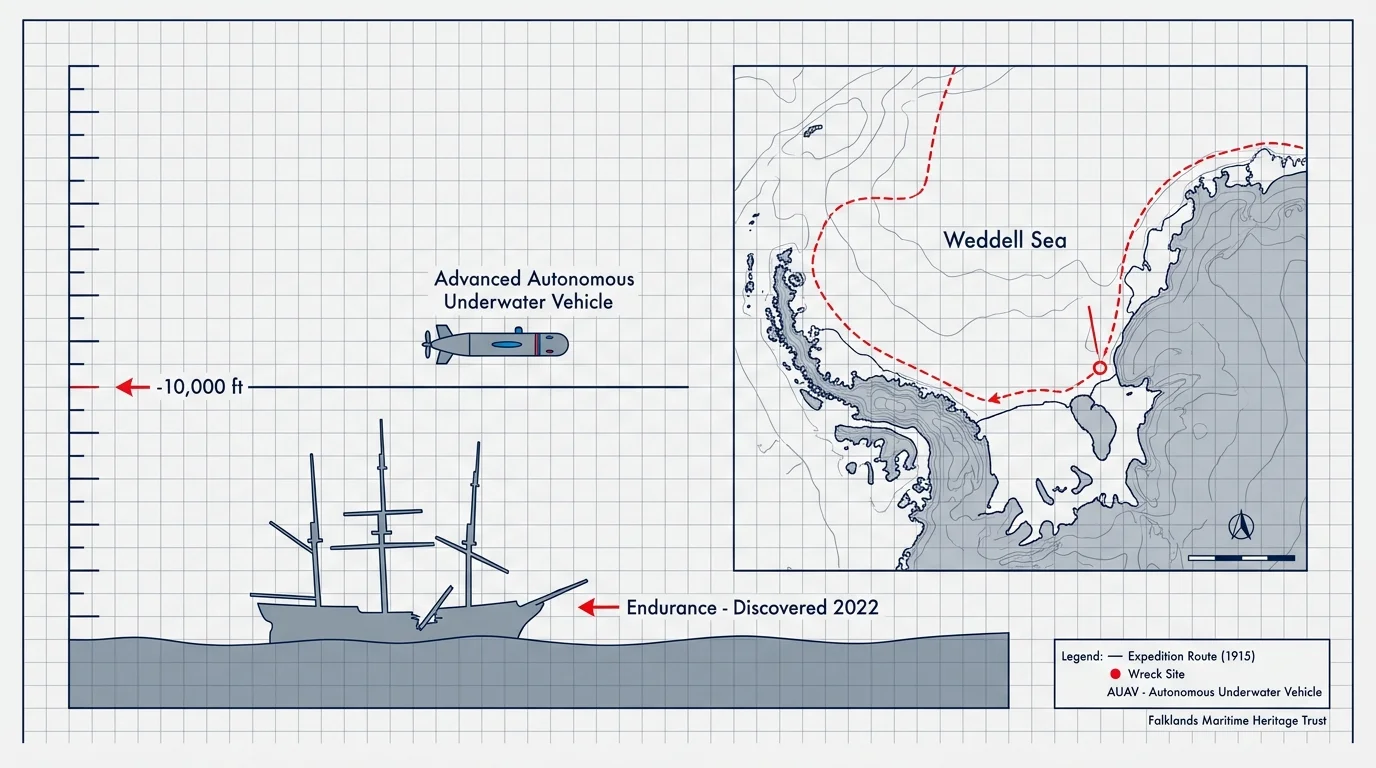
Highlight #3: Shackleton’s Endurance Shipwreck
Crushed by brutal Antarctic pack ice in 1915, Sir Ernest Shackleton’s ship, the Endurance, slipped into the Weddell Sea and seemingly vanished forever. Explorers searched for the legendary vessel for over a century, navigating some of the most treacherous maritime conditions on Earth. Finally, in 2022, the Falklands Maritime Heritage Trust deployed advanced underwater drones and located the wreck nearly 10,000 feet below the surface.
The icy, oxygen-deprived waters of Antarctica prevented wood-eating organisms from decaying the ship, leaving its massive timber frame and iconic “ENDURANCE” lettering perfectly preserved. Watching high-definition footage of the ghostly ship emerge from the gloom offers a profound connection to the heroic age of polar exploration. The discovery proves that even the most remote corners of the globe still harbor monumental secrets.
- Location: Resting at the bottom of the Weddell Sea off the coast of Antarctica.
- Protection Status: Designated as a protected historic site and monument under the Antarctic Treaty System.
- Travel Logistics: Book an icebreaker cruise to the Weddell Sea to experience the harsh environment Shackleton’s crew survived.
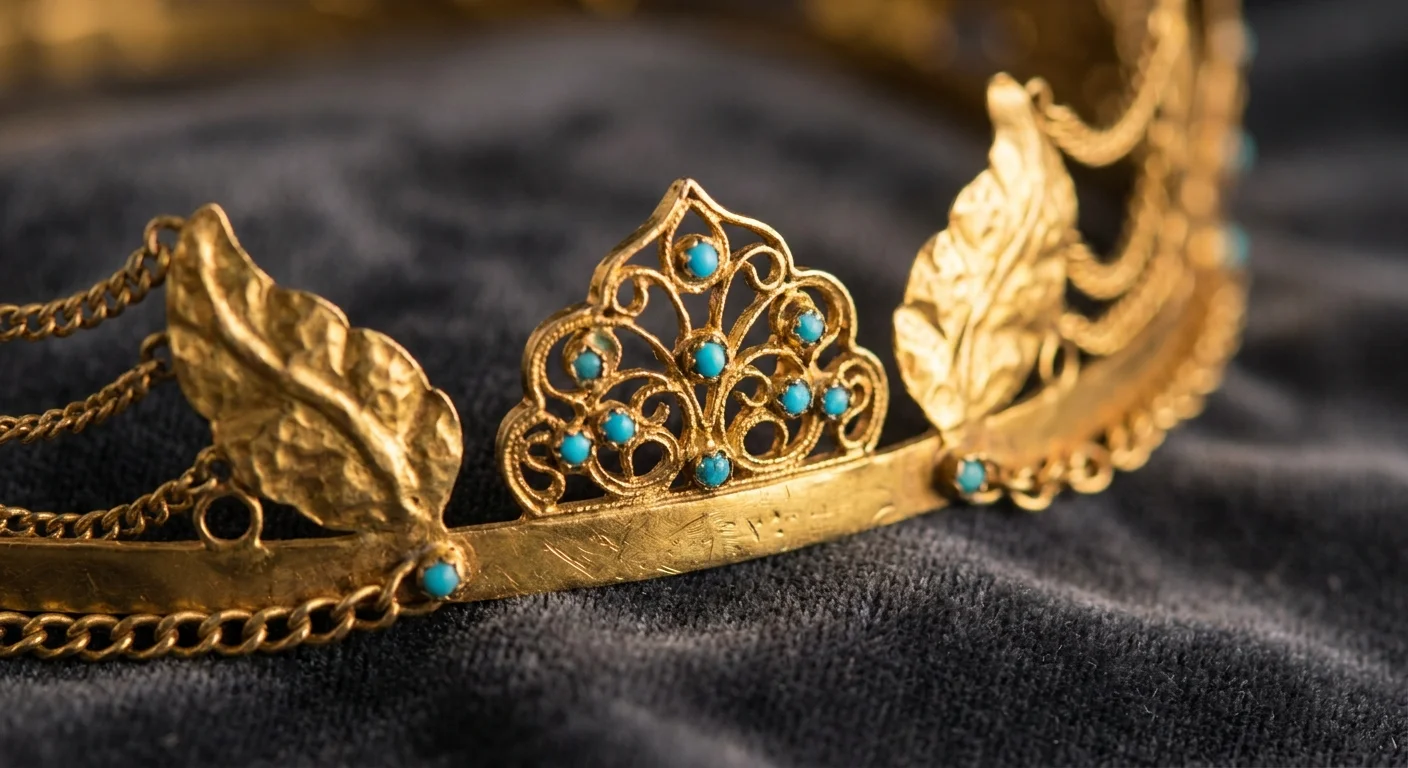
Highlight #4: The Bactrian Gold
Few archaeological discoveries rival the sheer opulence of the Bactrian Hoard, a collection of over 20,000 gold ornaments excavated from northern Afghanistan in 1978 by Soviet archaeologist Viktor Sarianidi. As political instability engulfed the region in 1989, local museum staff quietly relocated the treasure to a subterranean vault beneath the Central Bank in Kabul. Only five “keyholders” knew how to access the vault, and they guarded the secret for fourteen years through intense civil war and regime changes.
The keyholders endured severe hardship but never betrayed the location of the gold. In 2003, after the Taliban fell, they finally stepped forward to unlock the vault. The survival of this intricate first-century jewelry represents an extraordinary triumph of cultural preservation over catastrophic conflict.
- Origin: Found at the Tillya Tepe archaeological site, blending Greek, Indian, and nomadic artistic styles.
- Current Status: Returned to Afghanistan after a massive global museum tour; its exact location remains closely guarded today.
- Cultural Insight: Read UNESCO dispatches to track international efforts aimed at protecting endangered Afghan heritage.
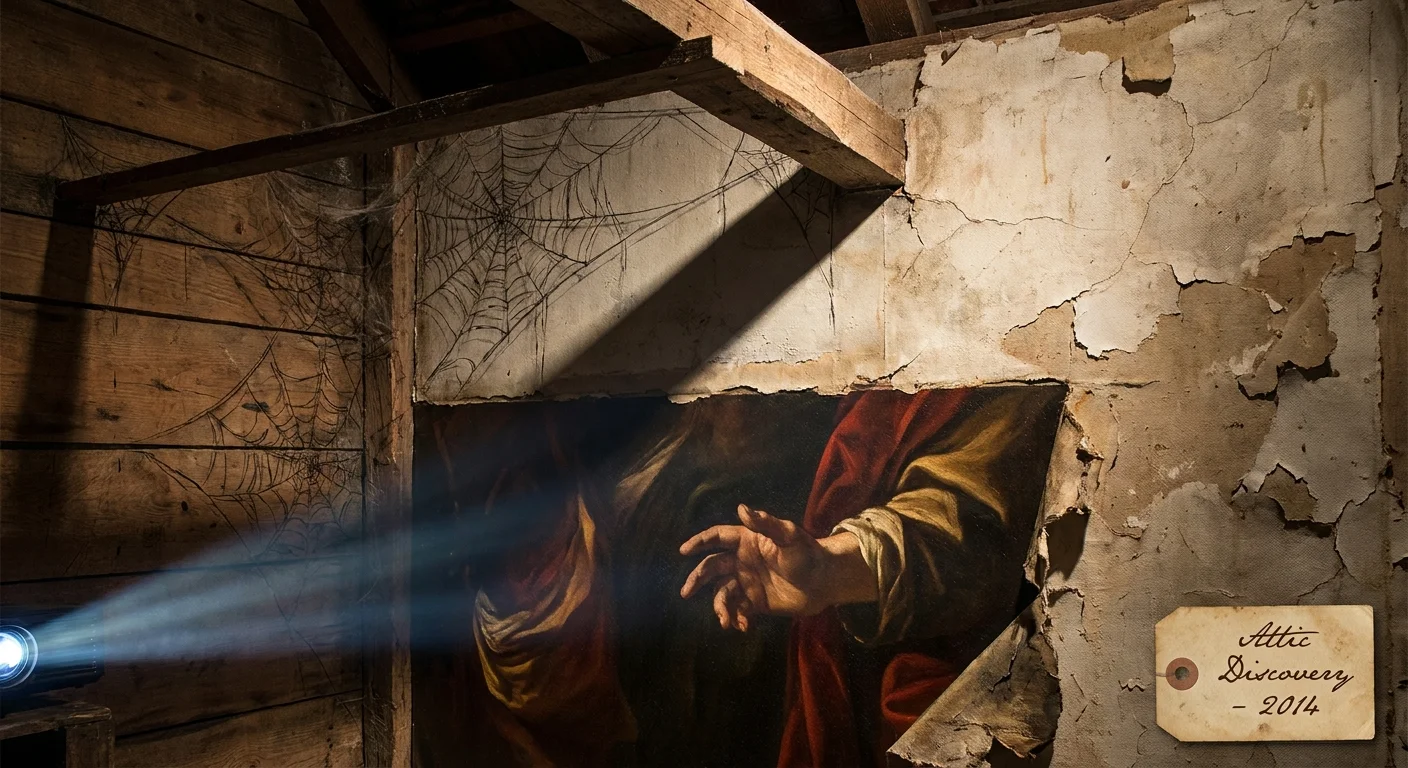
Highlight #5: The Toulouse Caravaggio
When a leaking roof prompted a French family to inspect their attic in Toulouse in 2014, they expected to find water damage; instead, they discovered a dusty canvas hiding in the rafters. They brought the painting to art appraiser Eric Turquin, who dramatically identified it as a long-lost masterpiece by Michelangelo Merisi da Caravaggio. Titled Judith and Holofernes, the visceral painting depicts the biblical heroine executing an Assyrian general.
The masterpiece spent over a century forgotten beneath old mattresses and discarded household goods. While debates regarding its authenticity initially fractured the art world, major museum exhibitions ultimately validated its pedigree. An American collector purchased the canvas for tens of millions of dollars just days before it was slated for public auction, cementing its status as a legendary modern find.
- Artist: Michelangelo Merisi da Caravaggio, known for his dramatic use of shadow and light.
- Estimated Value: Appraised at roughly $170 million prior to its private sale.
- Viewing Strategy: Look for the painting on loan at institutions like the Metropolitan Museum of Art in New York.
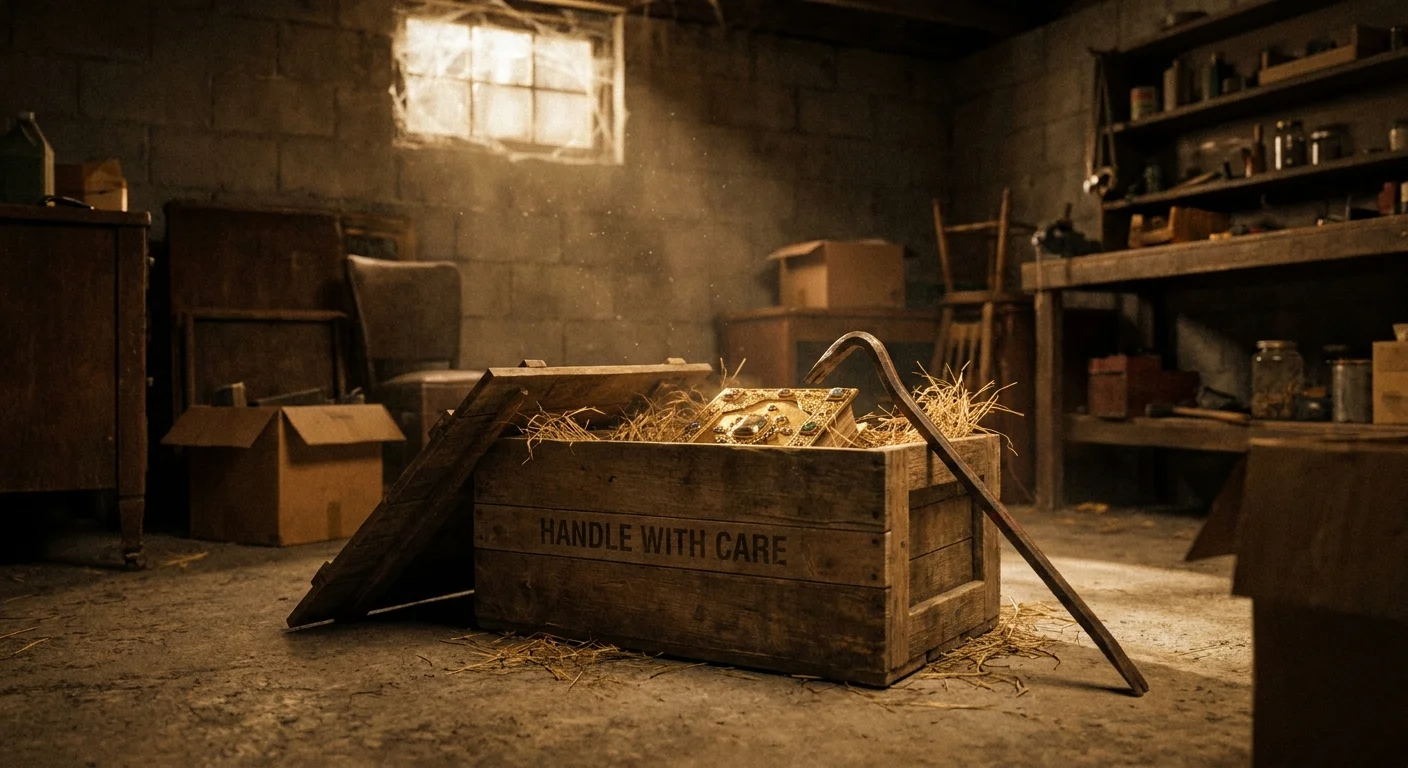
Highlight #6: The Quedlinburg Treasure
In the chaotic final days of World War II, an American soldier stationed in Germany wandered into a mine shaft protecting the medieval treasury of St. Servatius Church. He casually shipped priceless reliquaries, illuminated manuscripts, and gem-studded combs back to his family home in Whitewright, Texas. The magnificent Quedlinburg Treasure sat quietly in a hardware store and a local bank vault for over four decades.
The artifacts only resurfaced in 1990 when the soldier’s heirs attempted to sell them on the international art market. Relentless art investigator Willi Korte tracked the pieces down, sparking a tense legal battle that culminated in the collection’s triumphant return to Germany. Standing before these gleaming ninth-century masterpieces today, you can scarcely believe they spent a generation hidden deep in the Texas countryside.
- Location: The St. Servatius Church treasury in Quedlinburg, Germany.
- Era: Masterpieces dating from the 9th to the 12th century.
- Travel Logistics: Quedlinburg is a UNESCO World Heritage site easily accessible via regional trains from Berlin.
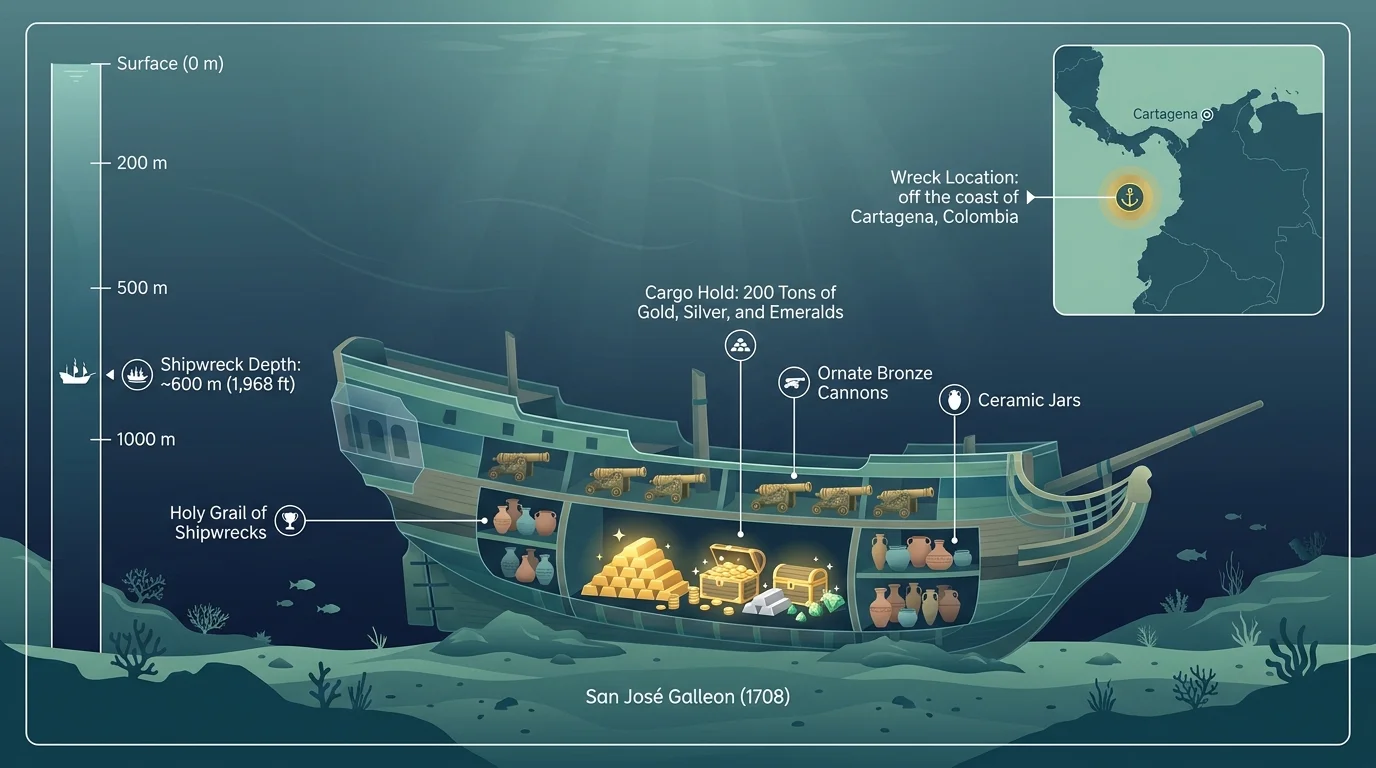
Highlight #7: The San José Galleon
Known as the holy grail of shipwrecks, the Spanish galleon San José sank off the coast of Cartagena, Colombia, during a naval battle with British warships in 1708. It carried a breathtaking cargo of gold, silver, and emeralds extracted from South American mines. Treasure hunters scoured the Caribbean floor for decades with no success. In 2015, the Colombian Navy, working alongside the Woods Hole Oceanographic Institution, deployed the REMUS 6000 autonomous underwater vehicle to scan the deep ocean basin.
High-resolution sonar finally identified the ship’s distinct bronze cannons adorned with jumping dolphins, resting over 3,000 feet below the surface. The recovery of the San José promises to rewrite colonial maritime history, though complex international legal battles currently stall efforts to raise the multibillion-dollar cargo.
- Estimated Value: Valued between $17 billion and $20 billion.
- Location: Resting deep off the Barú Peninsula near Cartagena, Colombia.
- Insider Tip: Visit the Naval Museum of the Caribbean in Cartagena to explore the region’s rich maritime history and colonial trade routes.
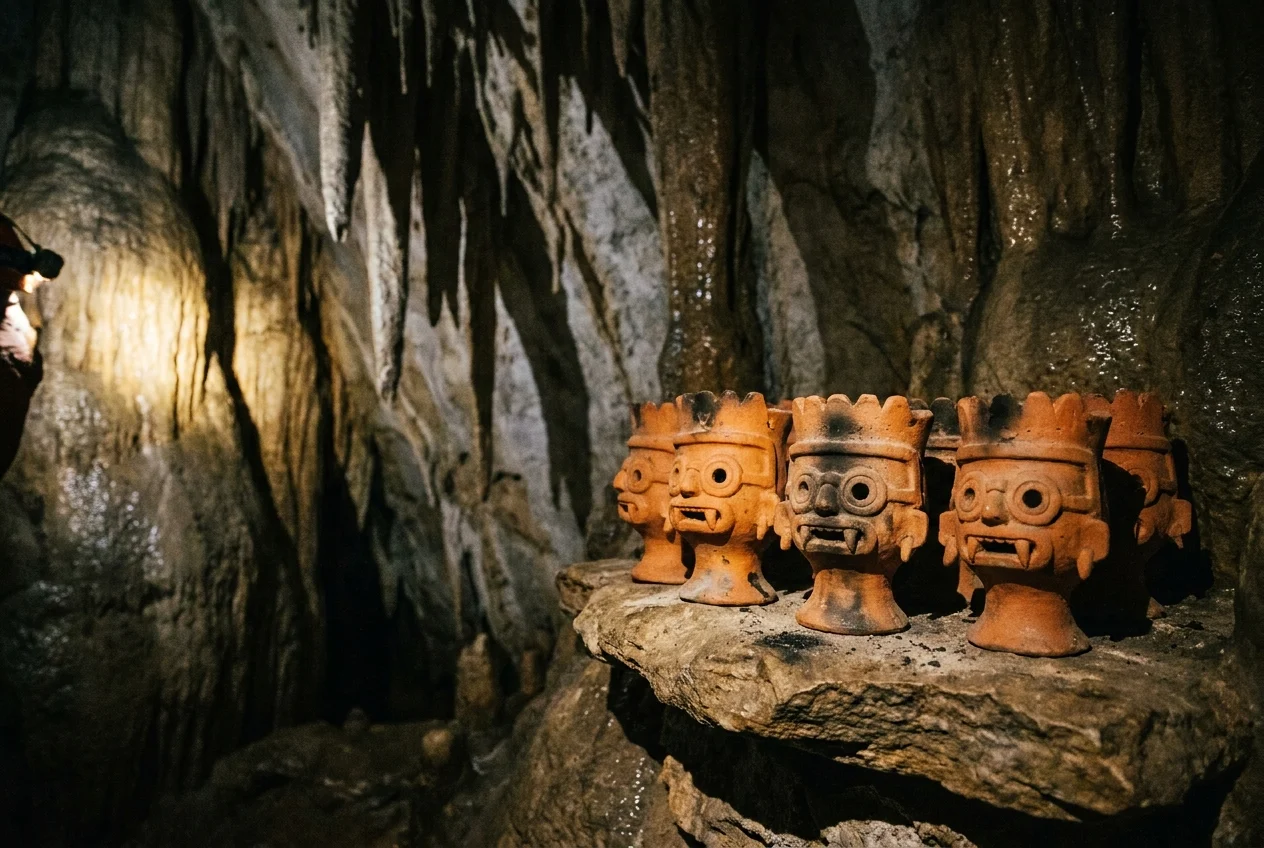
Highlight #8: The Balamku Cave Sanctuary
Locals exploring the jungles near Chichén Itzá in 1966 stumbled upon a hidden subterranean cavern holding ancient Maya artifacts. Archaeologist Víctor Segovia Pinto investigated the site, named Balamku or the Cave of the Jaguar God. Strangely, he ordered the entrance sealed with rocks and filed a brief report that quickly vanished into obscurity. The cavern sat untouched for fifty more years.
In 2018, National Geographic explorer Guillermo de Anda reopened the sanctuary, crawling on his stomach through incredibly tight limestone passages. He discovered seven offering chambers filled with hundreds of perfectly preserved ceramic censers, jade beads, and ancient food remnants. Because the site remained sealed for decades, the undisturbed context provides unprecedented data regarding the complex drought rituals that defined the final days of the Maya metropolis.
- Location: Beneath the ancient city of Chichén Itzá in Yucatán, Mexico.
- Era: Late Classic Maya period (around 700–1000 CE).
- Planning Tip: While Balamku remains closed to the public to protect the artifacts, you can explore the magnificent primary pyramids of Chichén Itzá.
Keep the Momentum: How to Plan Your Own Adventure
Transforming your interest in historical artifacts into a tangible travel itinerary requires careful planning and a deep respect for cultural heritage. Begin by identifying the museums or active archaeological zones that house the specific history mysteries you wish to explore. Purchase your tickets well in advance, as premier cultural institutions often utilize timed entry systems to prevent overcrowding. When you arrive at an ancient ruin or a museum gallery, take your time; engage with local guides who can offer nuanced perspectives that guidebooks simply cannot provide.
Budgeting for these trips should include allocations for specialized guided tours, which drastically enhance your understanding of complex historical narratives. Furthermore, practice sustainable tourism by adhering to all site regulations, refraining from touching delicate ruins, and supporting local artisan economies. Prioritize education and respect, ensuring that these incredible discoveries remain pristine for the next generation of curious travelers.
Frequently Asked Questions
How can I ensure my visit to an archaeological site is culturally sensitive?
Always prioritize local guidelines and respect physical boundaries. Do not climb on unauthorized structures or remove any natural materials from the site. Hire local guides whenever possible; your financial support sustains the community while granting you access to authentic historical narratives and generational knowledge.
Are all recently discovered historical artifacts available for public viewing?
No; many artifacts require years of delicate conservation before they can withstand public display. Some, like the Balamku Cave, remain entirely closed to protect the fragile environmental conditions that preserved them. Always verify current exhibition statuses through official museum websites before you book your trip.
What should I do if I think I have found a valuable historical artifact?
If you discover an artifact on public or protected lands, leave it exactly where you found it. Disturbing the object destroys vital archaeological context. Document the location with photographs and GPS coordinates, then immediately contact local heritage authorities or a nearby university’s archaeology department for proper evaluation.
Verify travel advisories and guidelines through the European Union travel portal. For cultural research, consult institutions like Lonely Planet and National Geographic.
Disclaimer: Information can change quickly. Confirm opening times, pricing, and safety advisories with official sources before booking or travelling.