Your understanding of world history shifts the moment you stand inches from the fragile, ink-stained pages that started wars, launched scientific revolutions, and shaped human rights. Across the globe, museum archives guard these delicate documents, transforming abstract historical events into tangible discoveries you can witness firsthand. Holding the power to alter the course of nations, these eight historical letters offer profound history mysteries and invaluable cultural insights. You will discover exactly where to find these world-changing manuscripts, how to view them, and the profound stories hidden within their faded text. Planning your itinerary around these pivotal artifacts connects you directly to the brilliant minds and high-stakes decisions that forged our modern reality.
Highlight #1: The Zimmermann Telegram (1917)
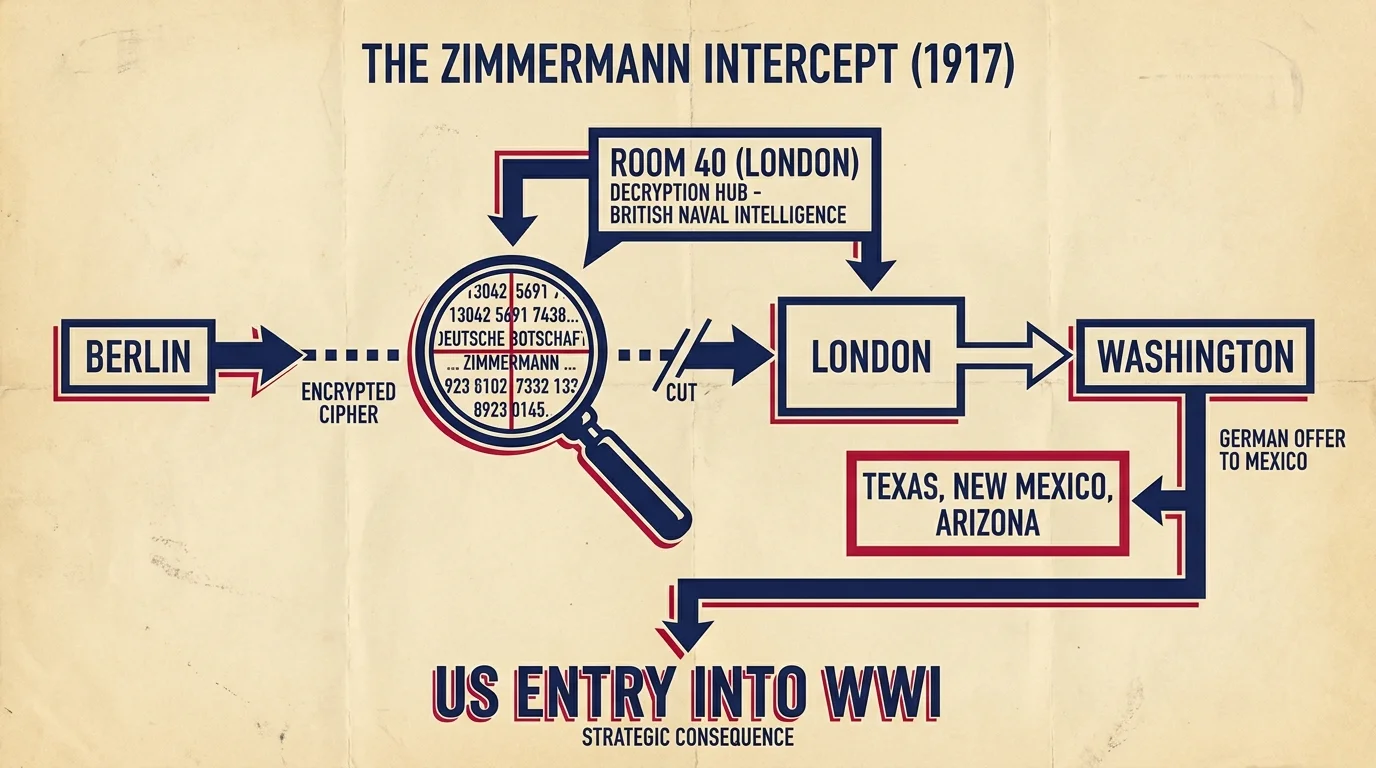
In January 1917, British intelligence intercepted a coded message from German Foreign Secretary Arthur Zimmermann to the German ambassador in Mexico. The telegram proposed a secret alliance; if the United States entered World War I, Mexico should declare war on America to reclaim lost territories like Texas and Arizona. British codebreakers in Room 40 deciphered the text, handing the Americans the ultimate diplomatic smoking gun. When President Woodrow Wilson released the contents to the press, public outrage erupted, immediately shifting American sentiment and pulling the nation into the global conflict.
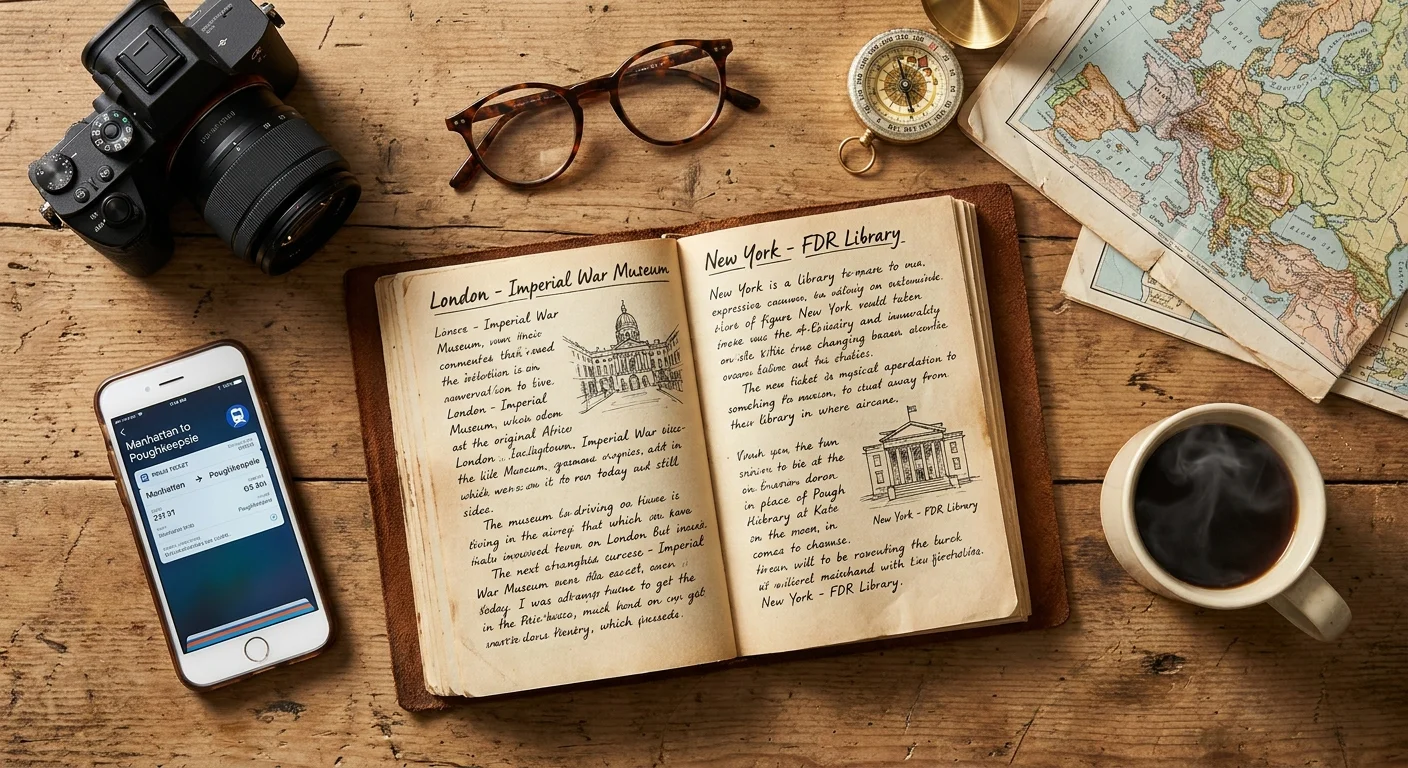
Today, you can explore the legacy of this explosive document in both London and Washington D.C. The Imperial War Museum in London showcases the brilliant espionage work of Room 40, while the National Archives in the United States occasionally displays the decrypted manuscript. Examining the original cipher reveals how a single sheet of paper dramatically altered the twentieth century.
- Location: Imperial War Museum, London, UK; National Archives, Washington D.C.
- Viewing access: The National Archives rotates fragile documents to prevent fading; check their online catalogue before planning your trip.
- Insider tip: Pair your London visit with a train ride to Bletchley Park to dive deeper into the fascinating evolution of British cryptography.
Highlight #2: The Einstein-Szilard Letter (1939)
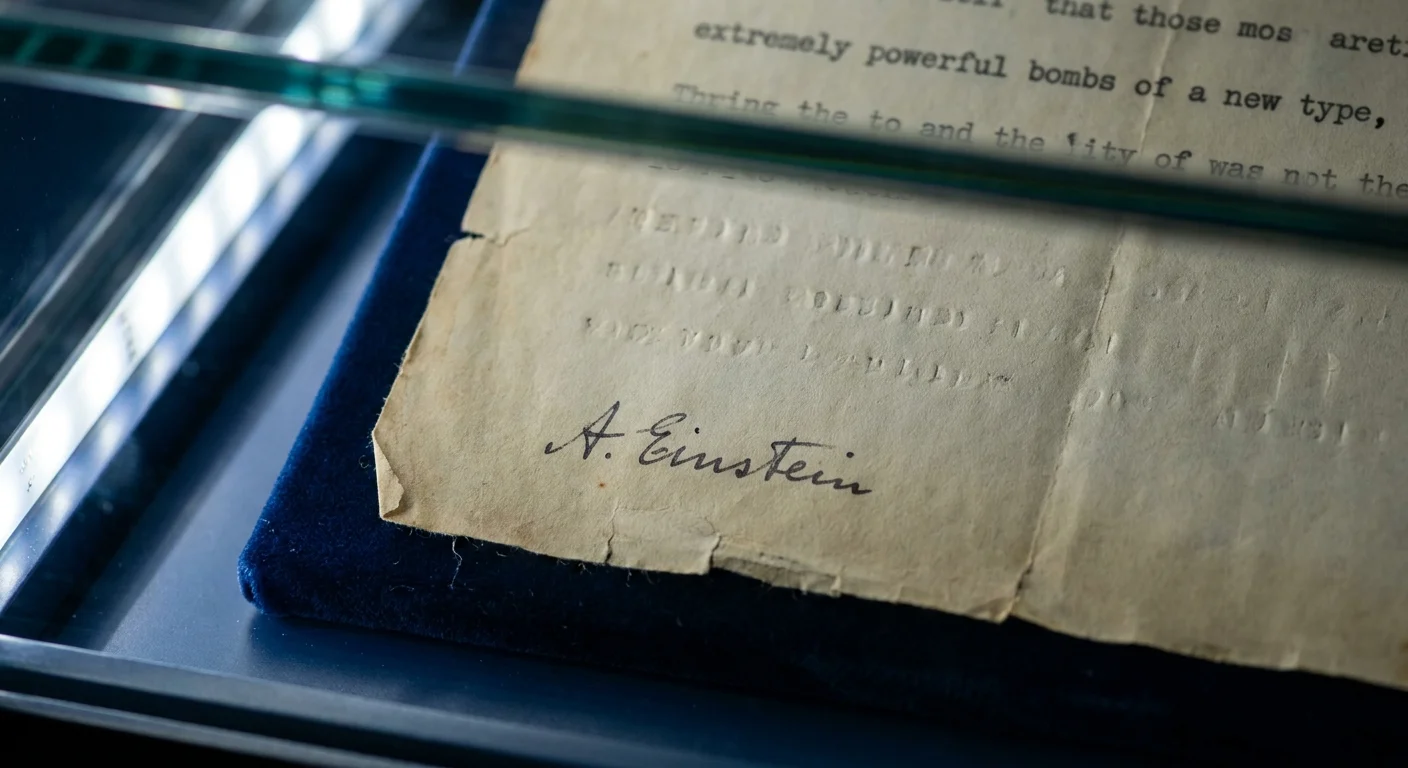
During the summer of 1939, physicist Leo Szilard recognized a terrifying reality: Nazi Germany possessed the theoretical knowledge to develop an atomic weapon. Knowing he lacked the political influence to reach President Franklin D. Roosevelt directly, Szilard drove to Long Island to convince his former colleague, Albert Einstein, to sign a desperate warning. Einstein added his legendary signature to the typed document, explicitly cautioning Roosevelt that extremely powerful bombs of a new type could be constructed.
This correspondence triggered the creation of the Manhattan Project, forever changing global warfare and nuclear geopolitics. You can view the fascinating original drafts and related communications at the Franklin D. Roosevelt Presidential Library and Museum in Hyde Park, New York. Standing before this document forces you to confront the heavy burden of scientific innovation. The curators perfectly contextualize the anxiety of the era, presenting the letter alongside Roosevelt’s swift executive response.
- Location: FDR Presidential Library and Museum, Hyde Park, New York.
- Budget: Standard adult admission costs $20, granting you comprehensive access to the museum and the sprawling presidential grounds.
- Insider tip: Take the Metro-North commuter train from Manhattan to Poughkeepsie for a highly scenic journey along the Hudson River.
Highlight #3: Letter from Birmingham Jail (1963)
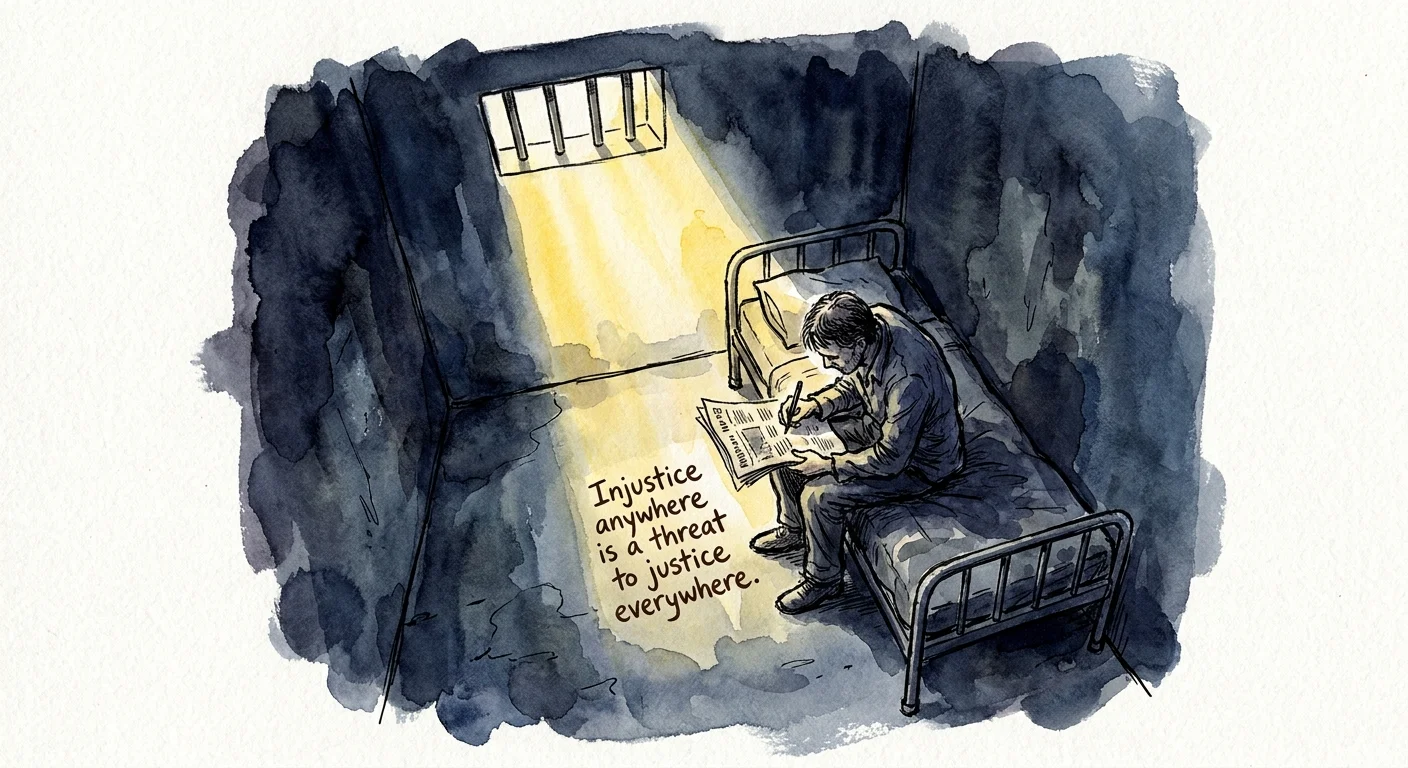
Confined to a narrow, dimly lit cell in April 1963, Dr. Martin Luther King Jr. read a newspaper statement from white clergymen criticizing his nonviolent protests. Lacking proper writing paper, King began scribbling his response around the margins of the newspaper, and later on legal pads smuggled in by his dedicated lawyers. The resulting manuscript became a foundational text of the American Civil Rights Movement, forcefully articulating the moral imperative to dismantle unjust segregation laws.
Visiting the Birmingham Civil Rights Institute in Alabama offers a profound opportunity to engage with King’s enduring legacy. The institute houses the actual door to King’s jail cell and thoroughly details the harsh realities of the 1963 Birmingham campaign. You walk away with a vivid understanding of the physical and emotional toll endured by the brave activists fighting for basic human dignity.
- Location: Birmingham Civil Rights Institute, Birmingham, Alabama.
- Timing: Allocate at least three hours to fully experience the extensive, emotionally immersive exhibits.
- Cultural insight: Cross the street to visit Kelly Ingram Park, the historic gathering site for the 1963 children’s marches.
Highlight #4: The Ems Dispatch (1870)
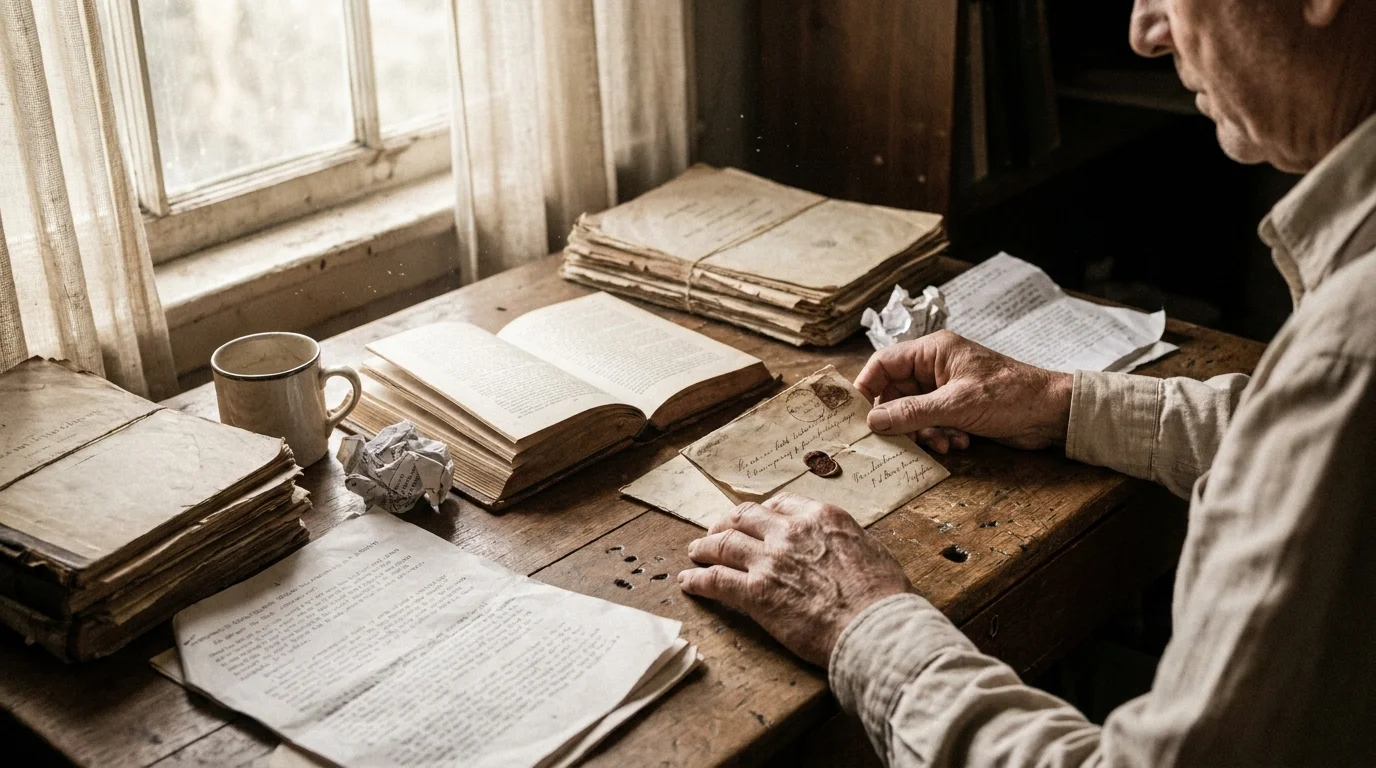
Few documents demonstrate the sheer power of manipulative editing quite like the Ems Dispatch. King Wilhelm I of Prussia sent a detailed telegram to his Chancellor, Otto von Bismarck, recounting a polite but tense encounter with a French ambassador. Bismarck ruthlessly abridged the text before releasing it to the press, intentionally making the King appear insulting and the French seem aggressively demanding.
The doctored text outraged both nations, instantly sparking the Franco-Prussian War, which ultimately secured the unification of Germany and caused the collapse of the French Second Empire. You can trace this diplomatic masterclass at the Bismarck Museum in Friedrichsruh, located just a short train ride from Hamburg. The lush estate preserves Bismarck’s personal archives and highlights his unprecedented manipulation of early mass media.
- Location: Bismarck Museum, Friedrichsruh, Germany.
- Budget: Admission is highly affordable at approximately €4; audio guides provide excellent English translations for international visitors.
- Insider tip: Wander the surrounding Sachsenwald forest, an expansive woodland the Emperor gifted to Bismarck to reward his political victories.
Highlight #5: Khrushchev’s De-Escalation Letter (1962)
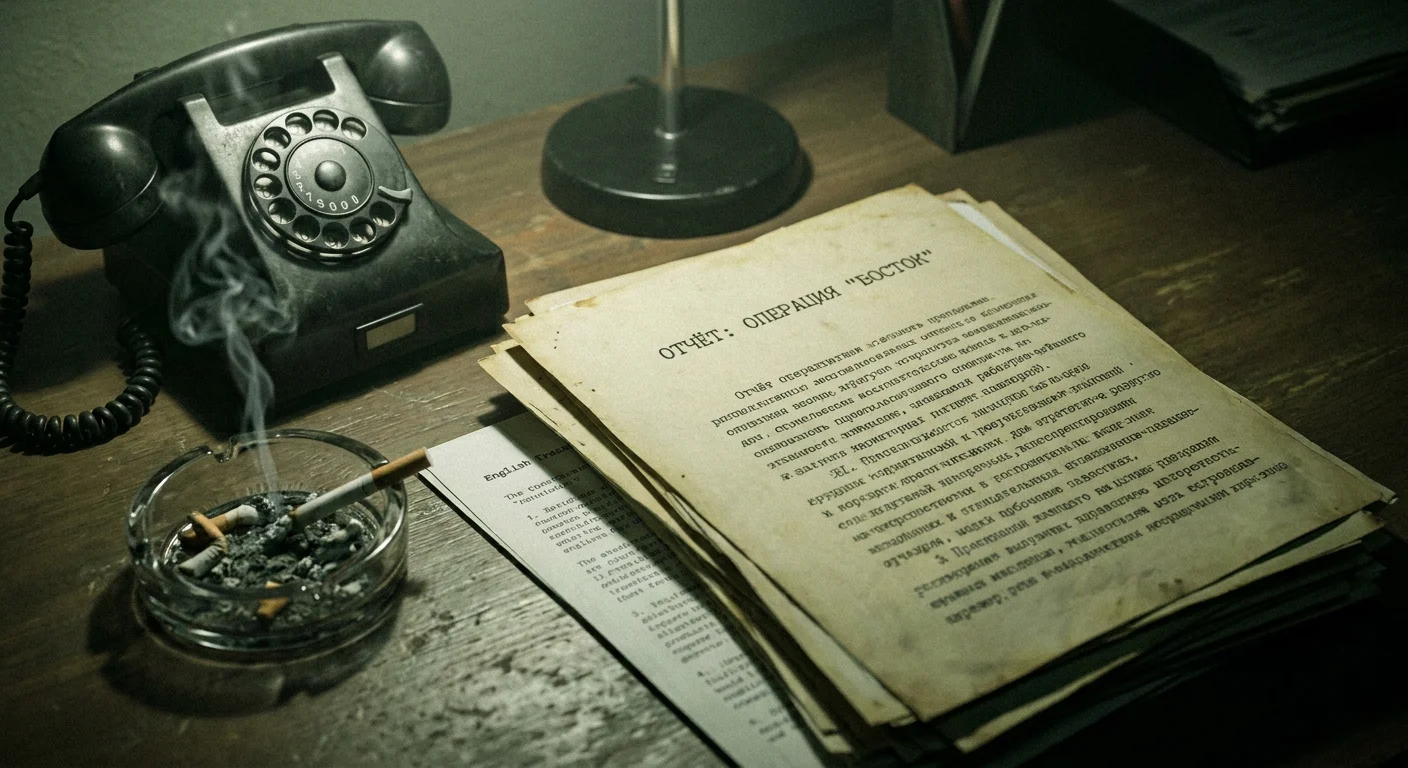
In October 1962, the world held its collective breath as the United States and the Soviet Union hovered on the brink of nuclear annihilation during the Cuban Missile Crisis. After days of a terrifying standoff, Soviet Premier Nikita Khrushchev sent a rambling, highly emotional letter to President John F. Kennedy. In the dispatch, Khrushchev compared the crisis to a tightening knot of war; if both sides kept pulling, the knot would eventually need to be severed with a sword.
This vulnerable communication opened the door for a peaceful resolution, allowing Kennedy to propose a face-saving diplomatic compromise. The John F. Kennedy Presidential Library and Museum in Boston brilliantly captures this nail-biting chapter of world history. The museum’s interactive exhibits let you experience the crisis chronologically, showcasing the exact correspondence that pulled humanity back from the edge of destruction.
- Location: John F. Kennedy Presidential Library and Museum, Boston, Massachusetts.
- Timing: Visit on a weekday afternoon to avoid heavy school group crowds and enjoy uninterrupted reflection.
- Architectural note: The stunning glass pavilion designed by I.M. Pei overlooks Boston Harbor, offering a serene, light-filled space after navigating the intense Cold War exhibits.
Highlight #6: The Babington Plot Ciphers (1586)
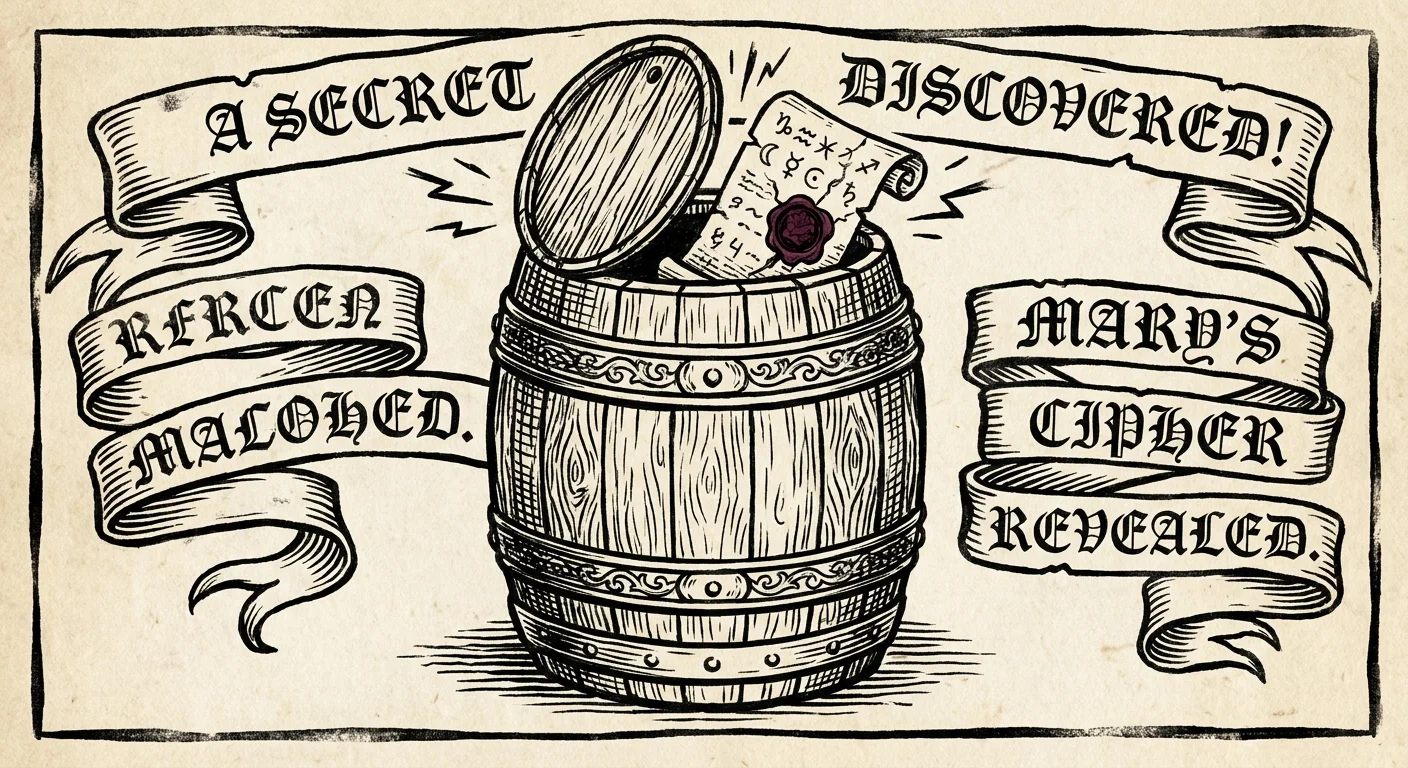
If you crave royal history mysteries, the letters surrounding the Babington Plot of 1586 deliver unmatched intrigue. Imprisoned by Queen Elizabeth I, Mary, Queen of Scots, communicated with her Catholic supporters using a complex substitution cipher. Anthony Babington wrote to Mary outlining a detailed plot to assassinate Elizabeth; Mary wrote back fully endorsing the scheme. Unfortunately for the imprisoned queen, Elizabeth’s brilliant spymaster, Sir Francis Walsingham, had intercepted the letters and employed a cryptanalyst named Thomas Phelippes to decode them.
Walsingham used Mary’s own handwritten reply to secure her swift conviction and execution. The National Archives in Kew, London, meticulously preserves these dramatic Tudor artifacts. Examining the intricate ciphers and Phelippes’ forged postscripts provides a fascinating, chilling glimpse into early modern espionage.
- Location: The National Archives, Kew, Richmond, UK.
- Access: The secure reading rooms require advanced registration and a specialized reader’s ticket, which you must arrange through their website.
- Insider tip: Take a relaxing walk at the nearby Royal Botanic Gardens, Kew—a perfect palate cleanser after a deep dive into historical treason.
Highlight #7: The Balfour Declaration (1917)
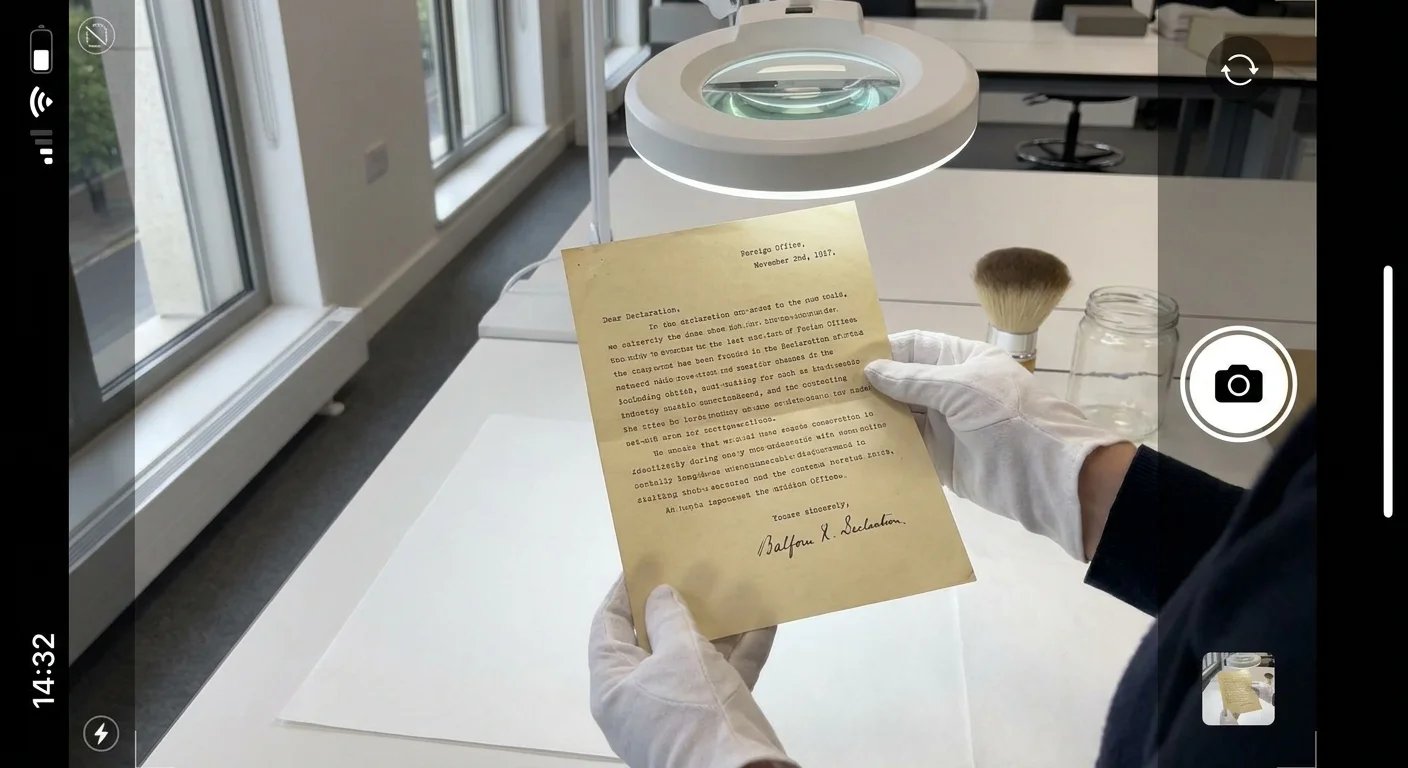
Contained entirely within a single typed paragraph, the Balfour Declaration of 1917 remains one of the most consequential documents of the twentieth century. British Foreign Secretary Arthur Balfour sent the brief letter to Lord Rothschild, officially expressing the British government’s support for the establishment of a “national home for the Jewish people” in Palestine.
This short communication fundamentally reshaped the Middle East, igniting political transformations and territorial disputes that continue to dominate global headlines over a century later. The British Library in London holds an extraordinary collection of papers documenting such historical events, offering vital context for the declaration’s geopolitical fallout. Exploring the library’s vast archives helps you grasp exactly how quiet imperial correspondence carved modern national boundaries.
- Location: The British Library, London, UK.
- Collection: While the original declaration rests securely within vaulted archives, related historical maps and pivotal treaties frequently feature in the public galleries.
- Budget: Entry to the permanent Sir John Ritblat Treasures Gallery is completely free for all visitors.
Highlight #8: Christopher Columbus’s Letter on the First Voyage (1493)
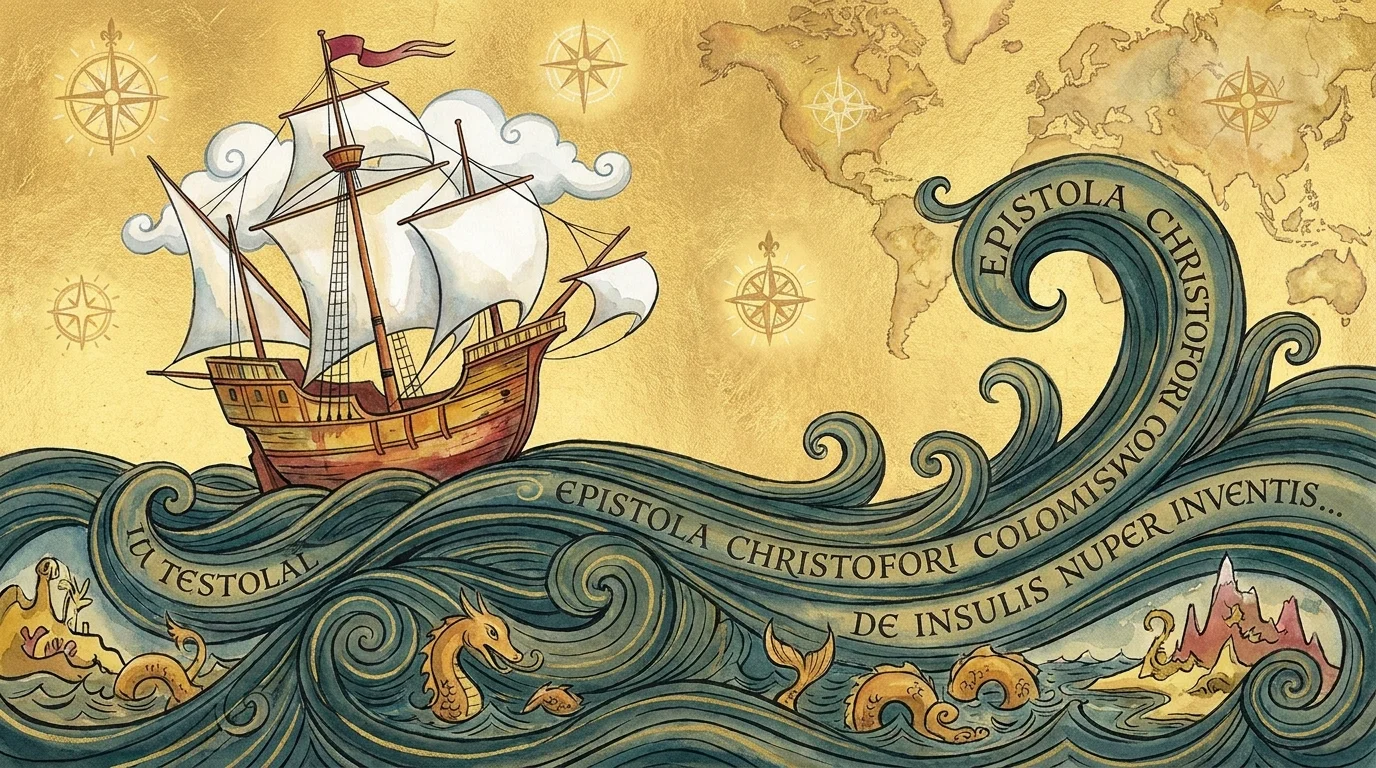
Returning from his initial expedition in 1493, Christopher Columbus penned a detailed letter to the Spanish monarchs outlining his remarkable encounters in the Americas. More importantly, European printers swiftly replicated this letter, serving as the first mass-media announcement of the New World. The widely distributed text sparked an unprecedented era of exploration, colonization, and profound cultural devastation that forever transformed the globe.
Because printers rapidly published the letter in Latin, a few precious copies survive today in elite institutions like the Vatican Library and the New York Public Library. Viewing an original 1493 printed edition bridges the vast gap between medieval isolation and our modern era of global interconnectedness.
- Location: New York Public Library (Stephen A. Schwarzman Building), New York.
- Access: The permanent Polonsky Exhibition of The New York Public Library’s Treasures often features early printed exploration documents alongside other rare discoveries.
- Insider tip: Reserve a free timed-entry ticket online to guarantee immediate access to the rare book displays without waiting in a lengthy queue.
Keep the Momentum: How to Plan Your Own Adventure
Planning an international itinerary around rare archival documents requires strategic foresight and a genuine appreciation for artifact preservation. Many global institutions actively restrict the display of delicate historical letters to protect the centuries-old ink and parchment from irreversible light degradation. Always consult the official museum catalog several weeks before your departure to confirm whether the specific letter is currently on public display, or if you need to schedule a specialized viewing appointment in a secure reading room.
Budgeting for these historically focused trips proves surprisingly manageable. While presidential libraries and specialized cultural museums typically charge modest entrance fees, national archives in major cities like London and Washington D.C. often provide completely free public access. Prioritize sustainable travel choices by utilizing robust public transit networks; Europe’s exceptional high-speed rail systems easily connect you to major historical repositories while significantly minimizing your carbon footprint.
When navigating secure research facilities, you must adhere strictly to archival etiquette. You will need to leave your heavy bags, ink pens, and food in a designated locker. Only graphite pencils and loose paper are permitted near the original documents. Approach the viewing experience with profound reverence, recognizing that you are sharing physical space with the raw, unfiltered material of human civilization.
Frequently Asked Questions
What happens if the specific letter I want to see is not on display?
Museums frequently rotate extremely light-sensitive artifacts with high-quality, exact facsimiles to ensure long-term preservation. If the original sits locked in a climate-controlled vault, institutions usually provide exceptional multimedia exhibits, early draft versions, or related diplomatic correspondence that deliver equally compelling context for the historical events.
Do I need special academic credentials to access national archives?
Most national archives operate on the democratic principle that foundational historical records belong to the general public. You rarely need a university degree to request documents; you simply need to register for a standard reader card, present valid government identification, and demonstrate a clear, respectful purpose for your visit.
How can I ensure my historical tourism respects local communities?
Engage with history holistically. When viewing artifacts tied to complex or painful events—such as the colonization of the Americas or enduring civil rights struggles—actively seek out local guided tours led by historians from the impacted communities. This approach guarantees you absorb the complete, multifaceted narrative rather than a sanitized, one-sided institutional view.
Verify travel advisories and guidelines through the European Union travel portal. For cultural research, consult institutions like Lonely Planet and National Geographic.
Disclaimer: Information can change quickly. Confirm opening times, pricing, and safety advisories with official sources before booking or travelling.